
During my solo journey exploring the deserts of western India, I met two conservation crusaders who have successfully created ecotourism and wildlife photography opportunities in their respective areas. Areas that were otherwise considered wasteland. I realized the power and importance of community involvement in ecotourism and conservation. Then I further refined the concept of alternative ecotourism to regenerative and inclusive ecotourism.

Pseudo Ecotourism was awarded as the Nonfiction book of the year and displayed at Kolkata Literary Carnival 2025
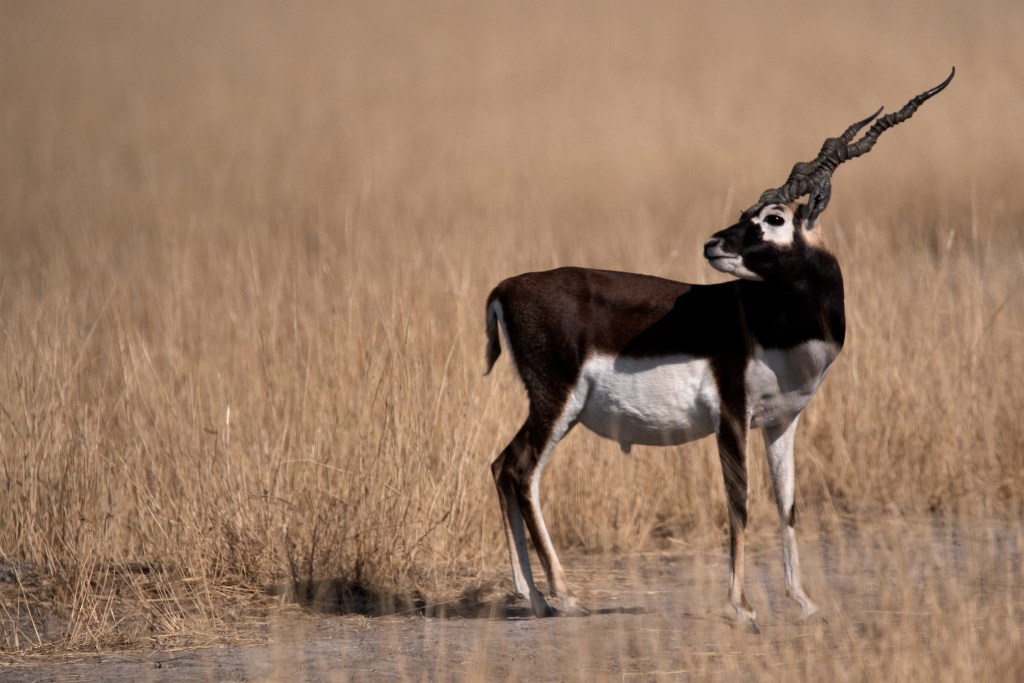
Tal Chhapar Sanctuary is a sanctuary located in the Churu district of Northwestern Rajasthan, in the Shekhawati region of India. It is known for blackbucks and is also home to a variety of birds. The sanctuary is 210 km from Jaipur on the fringe of the Great Indian Desert and situated on road from Ratangarh to Sujangarh. The Tal Chhapar sanctuary lies in the Sujangarh Tehsil of Churu District. It lies on the Nokha–Sujangarh state highway and is situated at a distance of 85 km from Churu and about 132 km from Bikaner. The nearest railway station is Chappar which lies on Degana-Churu-Rewari line of North Western Railways. The nearest airport is Jaipur which is 215 km from Chappar.
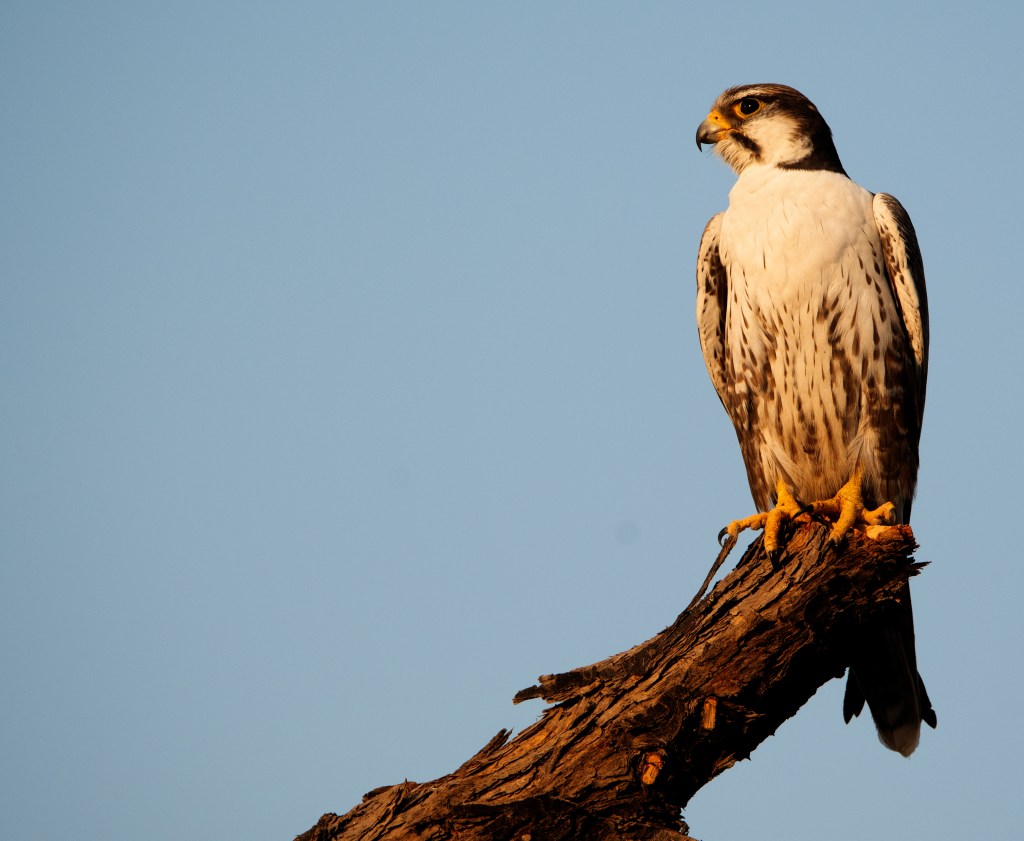
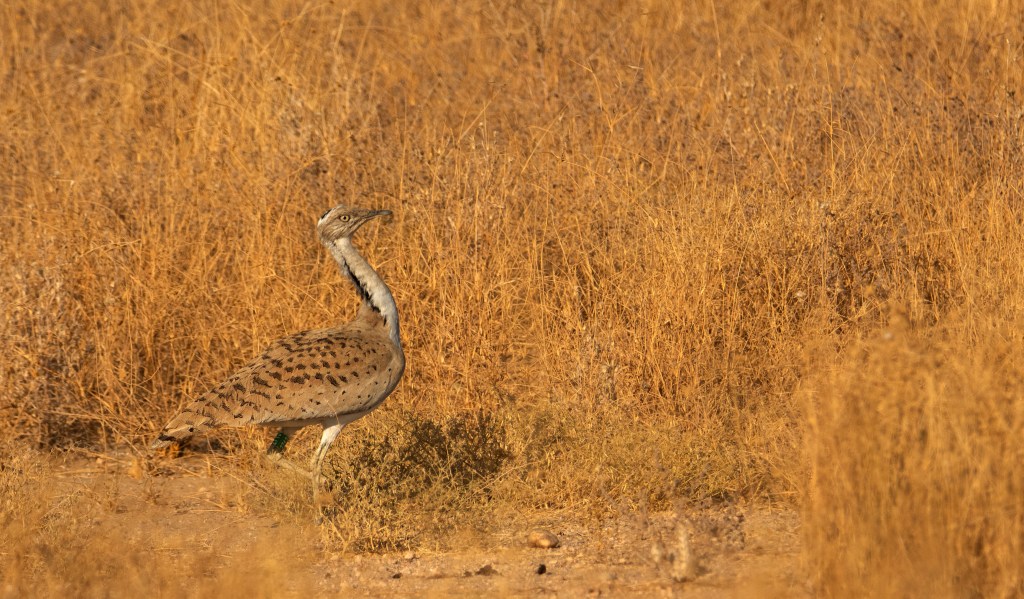
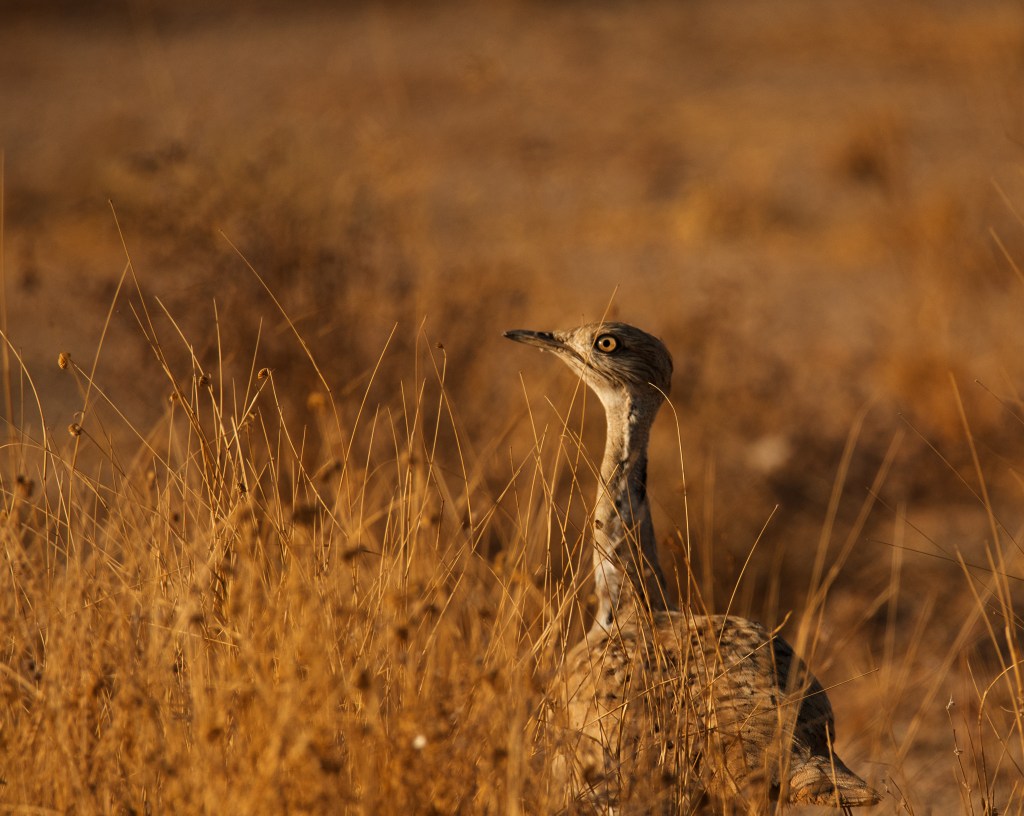
Desert National Park is a national park in the Indian state of Rajasthan, near the towns of Jaisalmer and Barmer. It is one of the largest national parks, covering an area of 3,162 km2 (1,221 sq mi) in the Thar Desert. Sand dunes form around 44% of the park. The major landform consists of craggy rocks and compact salt lake bottoms, intermedial areas and fixed dunes. It was gazetted in 1980. Despite a fragile ecosystem, it harbours an abundance of birdlife, both migratory and resident birds, including short-toed eagle, tawny eagle, spotted eagle, laggar falcon, kestrel, sand grouse and great Indian bustard. Desert National Park has a collection of fossils of animals and plants which are 180 million years old. Some fossils of dinosaurs which are 60 million years old were found in the area.
Simlipal National Park (ISO: Śimiḷipāḷa Jātīya Udyāna) is a national park and tiger reserve in the Mayurbhanj district in the Indian state of Odisha covering 2,750 km2 (1,060 sq mi). It is part of the Mayurbhanj Elephant Reserve, which includes three protected areas, Similipal Tiger Reserve, Hadgarh Wildlife Sanctuary with 191.06 km2 (73.77 sq mi) and Kuldiha Wildlife Sanctuary with 272.75 km2 (105.31 sq mi). Simlipal National Park derives its name from the abundance of red silk cotton trees growing in the area. The park is home to Bengal tiger, Asian elephant, gaur, and chausingha. This protected area is part of the UNESCO World Network of Biosphere Reserves since 2009.
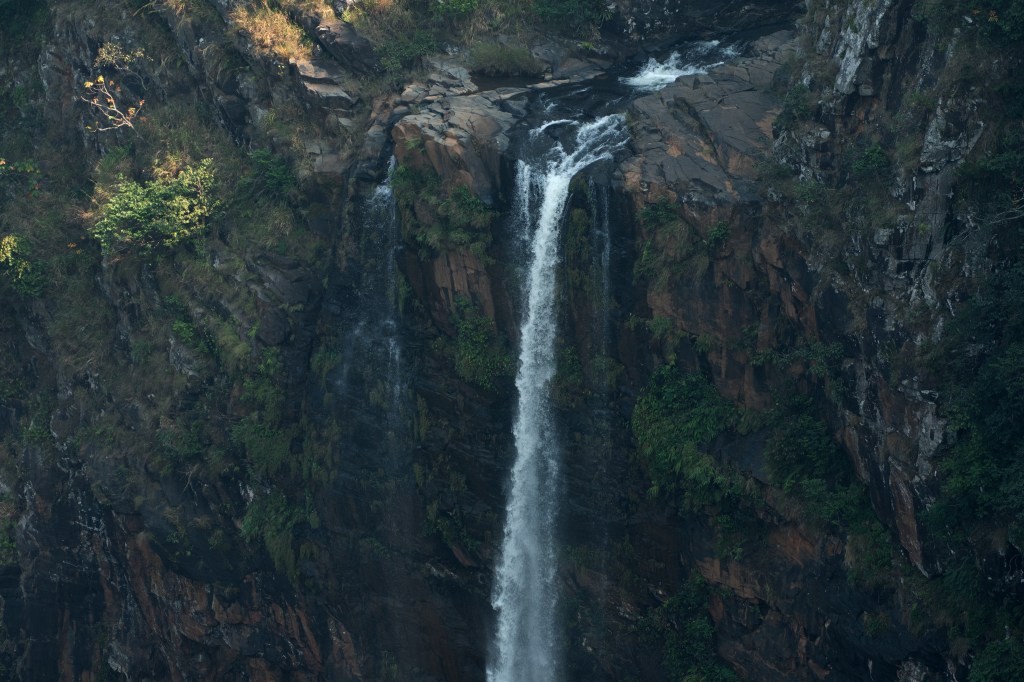
Satkosia Gorge is a gorge in eastern Odisha, India, carved by the Mahanadi River. The gorge is located within the Satkosia Tiger Reserve which is a United nations Protected area. It is also a Ramsar site designated in 2021.
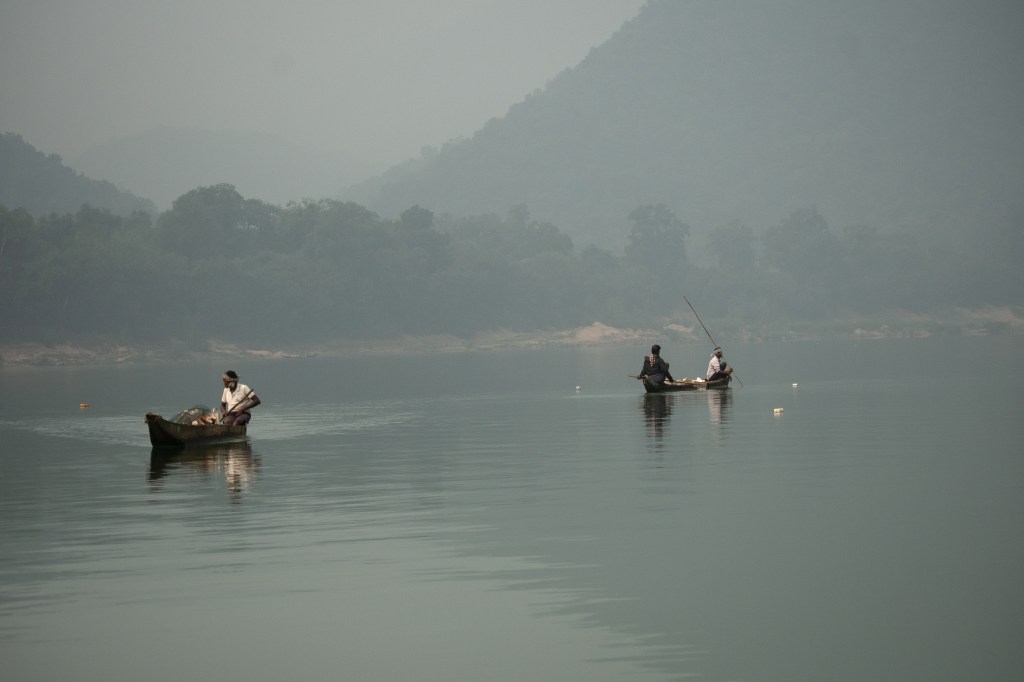
To know more on how ecotourism contributes to socio-environmental aspects of this planet, read Pseudo Ecotourism in the Shadow of The Bengal Tiger.
 Pseudo Ecotourism