
I interacted with indigenous folks of Bishnoi, Dongria Kondh and Apatani and observed their sustainability consciousness and harmonious lifestyle with non-human life forms. I eventually realized that the core value of inclusive ecotourism is not just about non-human life forms, but both human and non-human.
I travelled through and stayed at Bishnoi village near Jodhpur of Rajasthan, Dongria Kondh community of Niyamgiri hills in Koraput, Odisha and Apatani villages in Ziro valley of Arunachal Pradesh.
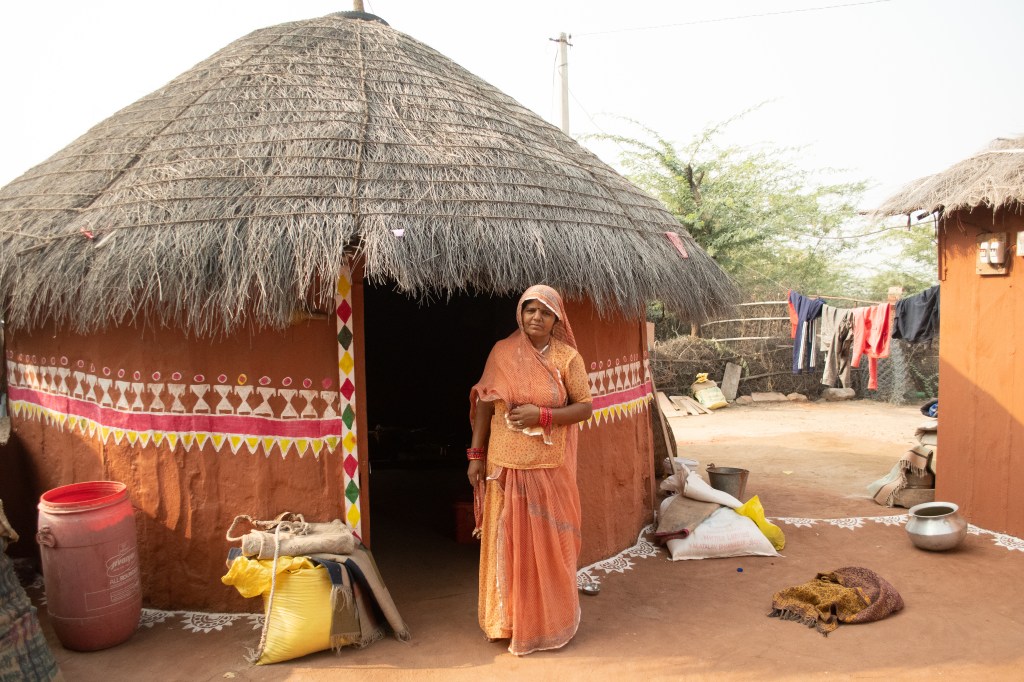
The Bishnoi, also spelled as Vishnoi, is a Hindu Vaishnava community or panth found in the Western Thar Desert and northern states of India. Bishnoi community is turned into a Hindu caste with time. It has a set of 29 Niyamas (principles/commandments) given by Guru Jambheshwar (also known as Guru Jambhoji, Guru Jambha) (1451–1536). As of 2010, there are an estimated 600,000 followers of Bishnoi Panth residing in northern and central India. Shree Guru Jambheshwar founded the sect at Samrathal Dhora in 1485 and his teachings, comprising 120 shabads, are known as Shabadwani. He preached for the next 51 years, travelling across India. The preaching of Guru Jambhoji inspires his followers as well as environmental protectors.
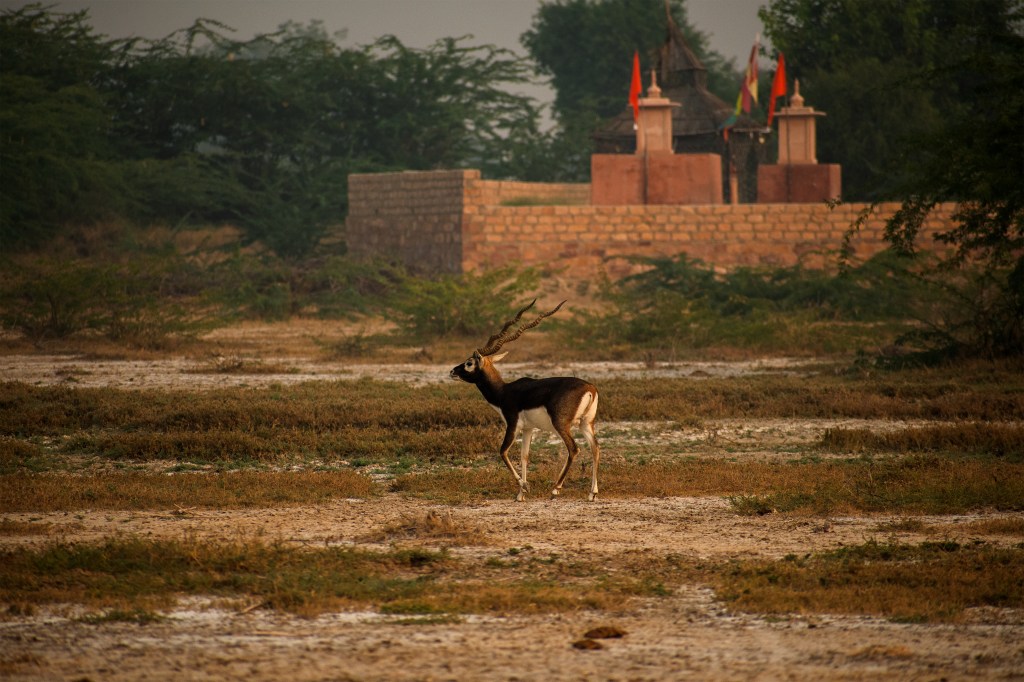
Black buck at Bishnoi village
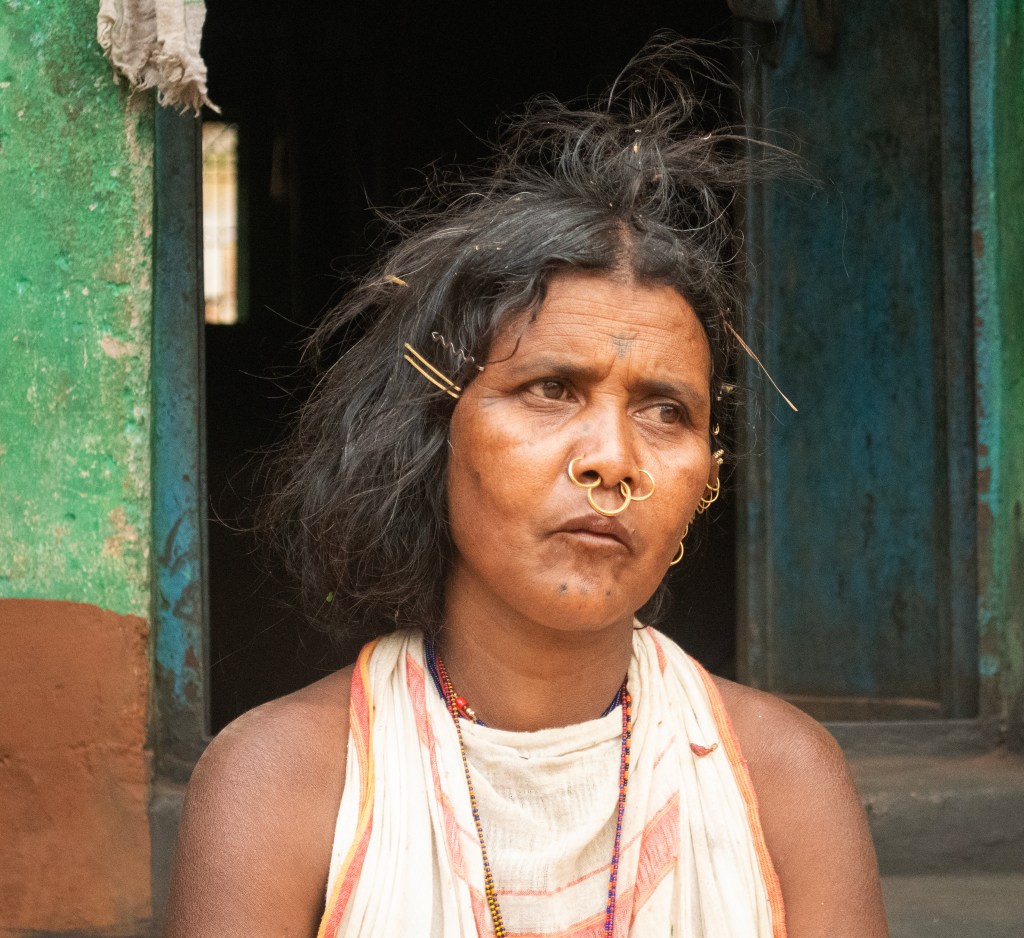
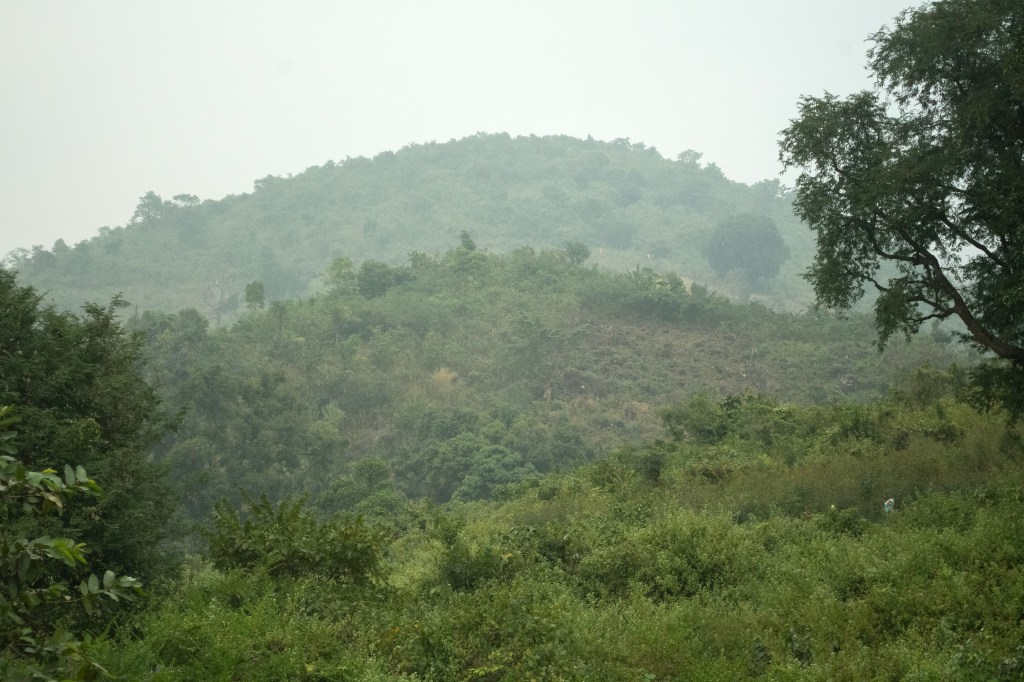
The Dangaria Kandha people are members of the Kondhs. They are located in the Niyamgiri hills in the state of Odisha (formerly Orissa) in India. They sustain themselves from the resources of the Niyamgiri forests, practising horticulture and shifting cultivation. They have been at the centre of a dispute over mining rights in the area. The Dongria Kondh community numbers approximately 8,000 people, inhabiting about 100 villages. The social structure among the community is adapted to the surroundings of Niyamgiri forested hill country, where they have lived for many generations.
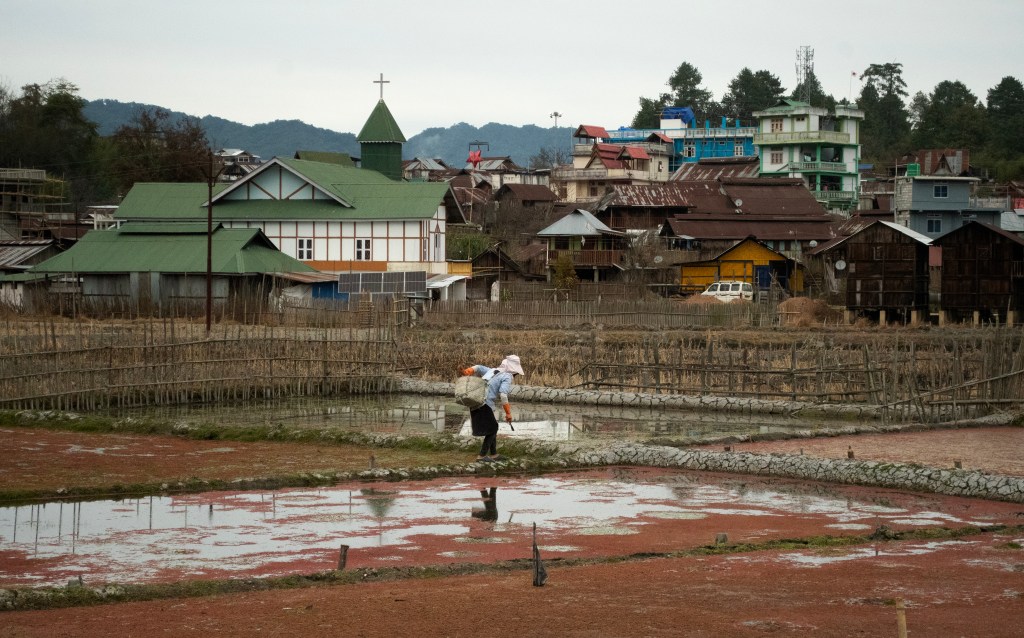
Their wet rice cultivation system and their agriculture system are extensive even without the use of any farm animals or machines. So is their sustainable social forestry system. UNESCO has proposed the Apatani valley for inclusion as a World Heritage Site for its “extremely high productivity” and “unique” way of preserving the ecology.
The Apatanis, one of the major ethnic groups of eastern Himalayas, have a distinct civilization with systematic land-use practices and rich traditional ecological knowledge of natural resources management and conservation, acquired over the centuries through informal experimentation. The tribe is known for their colorful culture with various festivals, intricate handloom designs, skills in cane and bamboo crafts, and vibrant traditional village councils called bulyañ. This has made the Ziro Valley a good example of a living cultural landscape where humans and the environment have harmoniously existed together in a state of interdependence even through changing times, such co-existence being nurtured by the traditional customs and spiritual belief systems.

To know how ecotourism embraces deep ecology and how non-human nature merges with human culture, read Pseudo Ecotoursim in the Shadow of the Bengal Tiger.
 Pseudo Ecotourism