Ecotourism and Deep Ecology

I interacted with indigenous folks of Bishnoi, Dongria Kondh and Apatani and observed their sustainability consciousness and harmonious lifestyle with non-human life forms. I eventually realized that the core value of inclusive ecotourism is not just about non-human life forms, but both human and non-human.

I travelled through and stayed at Bishnoi village near Jodhpur of Rajasthan, Dongria Kondh community of Niyamgiri hills in Koraput, Odisha and Apatani villages in Ziro valley of Arunachal Pradesh.

The Bishnoi, also spelled as Vishnoi, is a Hindu Vaishnava community or panth found in the Western Thar Desert and northern states of India. Bishnoi community is turned into a Hindu caste with time. It has a set of 29 Niyamas (principles/commandments) given by Guru Jambheshwar (also known as Guru Jambhoji, Guru Jambha) (1451–1536). As of 2010, there are an estimated 600,000 followers of Bishnoi Panth residing in northern and central India. Shree Guru Jambheshwar founded the sect at Samrathal Dhora in 1485 and his teachings, comprising 120 shabads, are known as Shabadwani. He preached for the next 51 years, travelling across India. The preaching of Guru Jambhoji inspires his followers as well as environmental protectors.
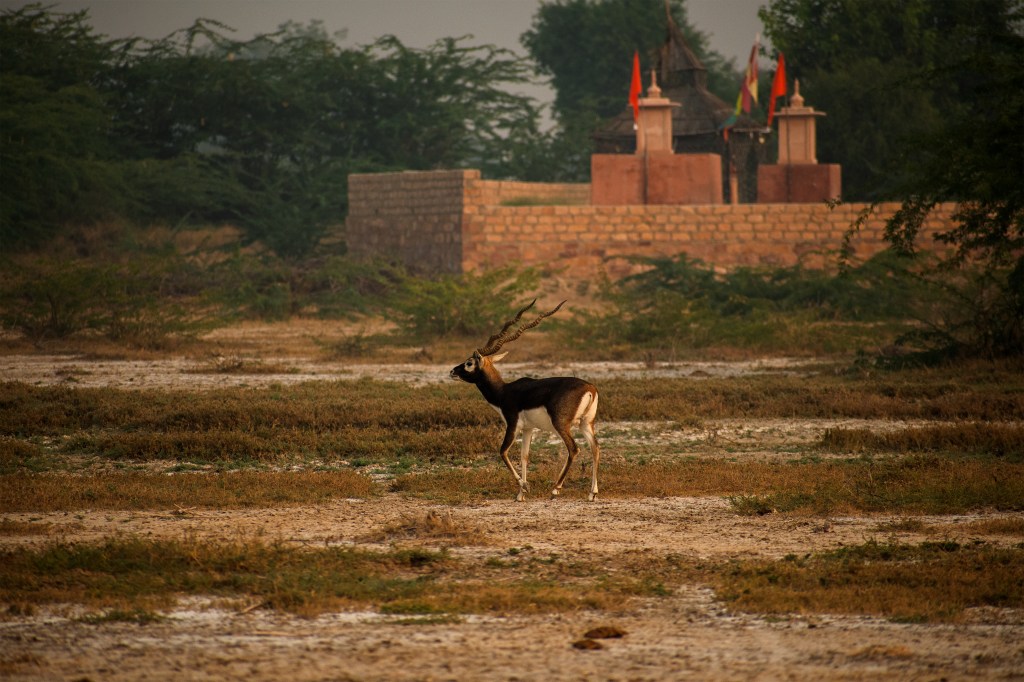
Black buck at Bishnoi village
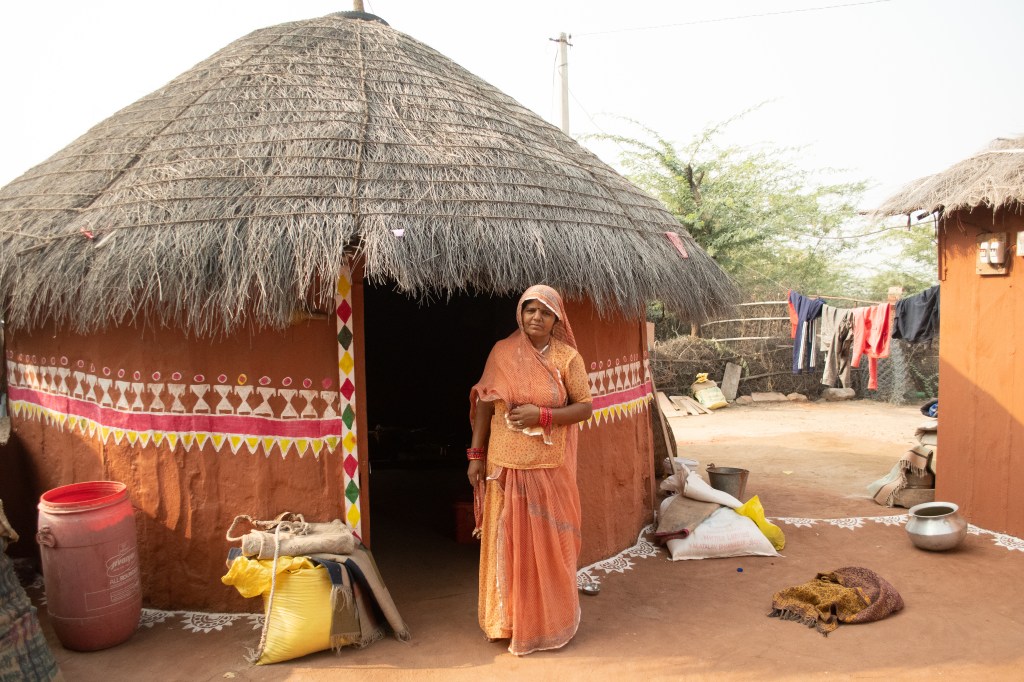
A Bishnoi woman near her hut

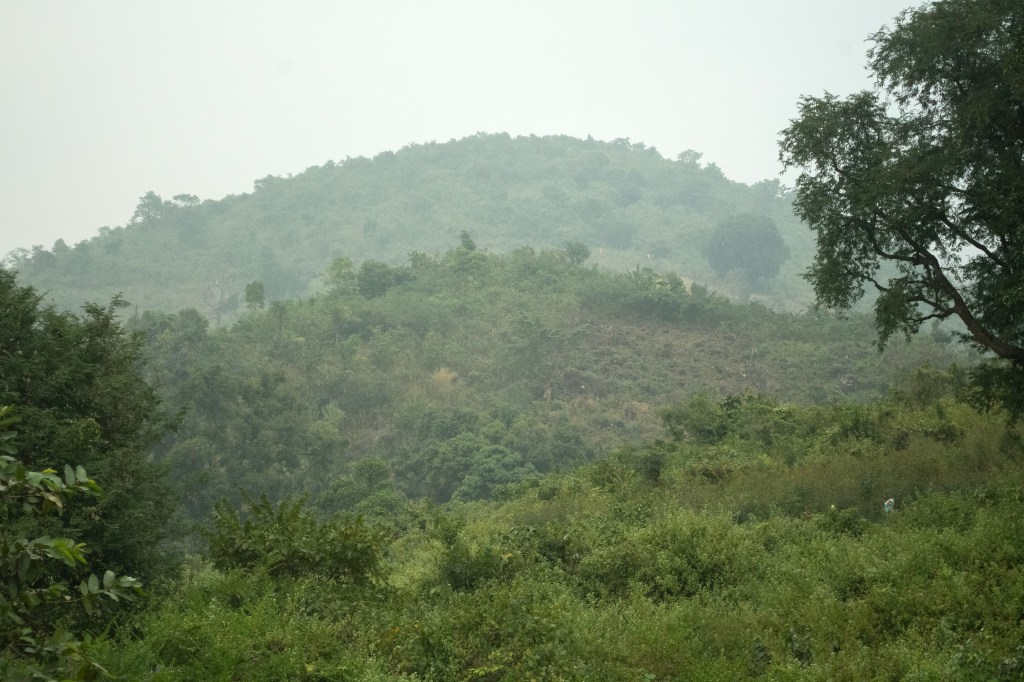
The Dangaria Kandha people are members of the Kondhs. They are located in the Niyamgiri hills in the state of Odisha (formerly Orissa) in India. They sustain themselves from the resources of the Niyamgiri forests, practising horticulture and shifting cultivation. They have been at the centre of a dispute over mining rights in the area. The Dongria Kondh community numbers approximately 8,000 people, inhabiting about 100 villages. The social structure among the community is adapted to the surroundings of Niyamgiri forested hill country, where they have lived for many generations.
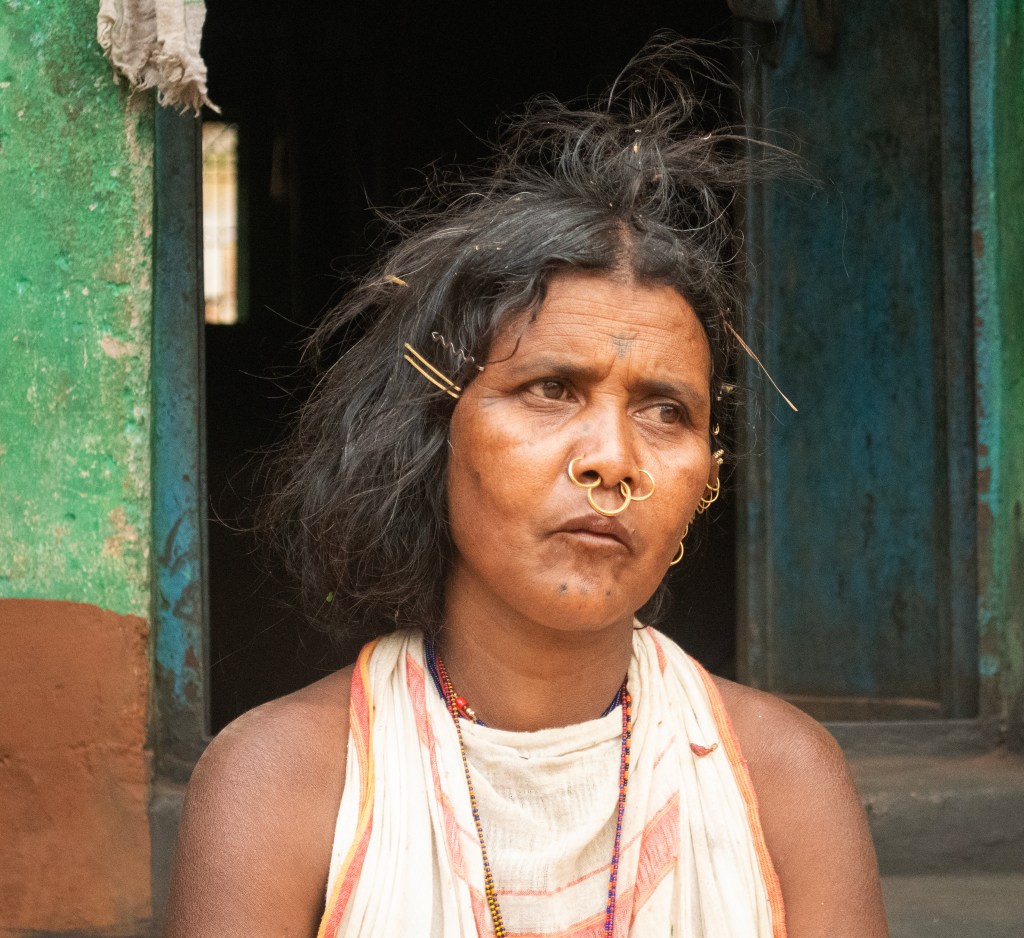
A Dongria Kondh lady at Nyiamgiri
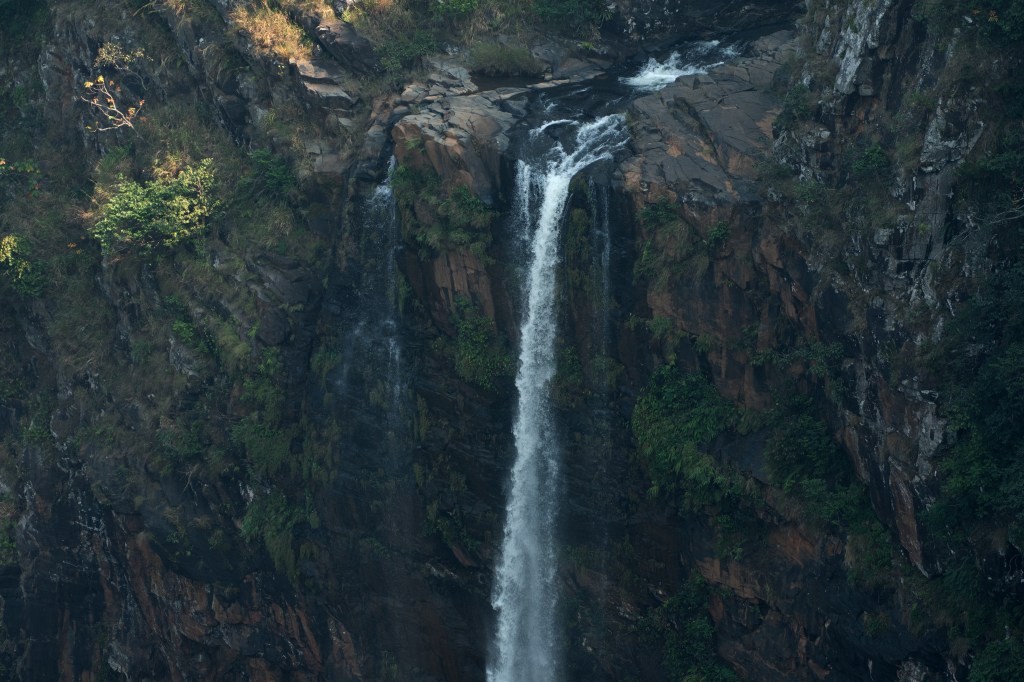
Niyamgiri hill

Their wet rice cultivation system and their agriculture system are extensive even without the use of any farm animals or machines. So is their sustainable social forestry system. UNESCO has proposed the Apatani valley for inclusion as a World Heritage Site for its “extremely high productivity” and “unique” way of preserving the ecology.

The Apatanis, one of the major ethnic groups of eastern Himalayas, have a distinct civilization with systematic land-use practices and rich traditional ecological knowledge of natural resources management and conservation, acquired over the centuries through informal experimentation. The tribe is known for their colorful culture with various festivals, intricate handloom designs, skills in cane and bamboo crafts, and vibrant traditional village councils called bulyañ. This has made the Ziro Valley a good example of a living cultural landscape where humans and the environment have harmoniously existed together in a state of interdependence even through changing times, such co-existence being nurtured by the traditional customs and spiritual belief systems.
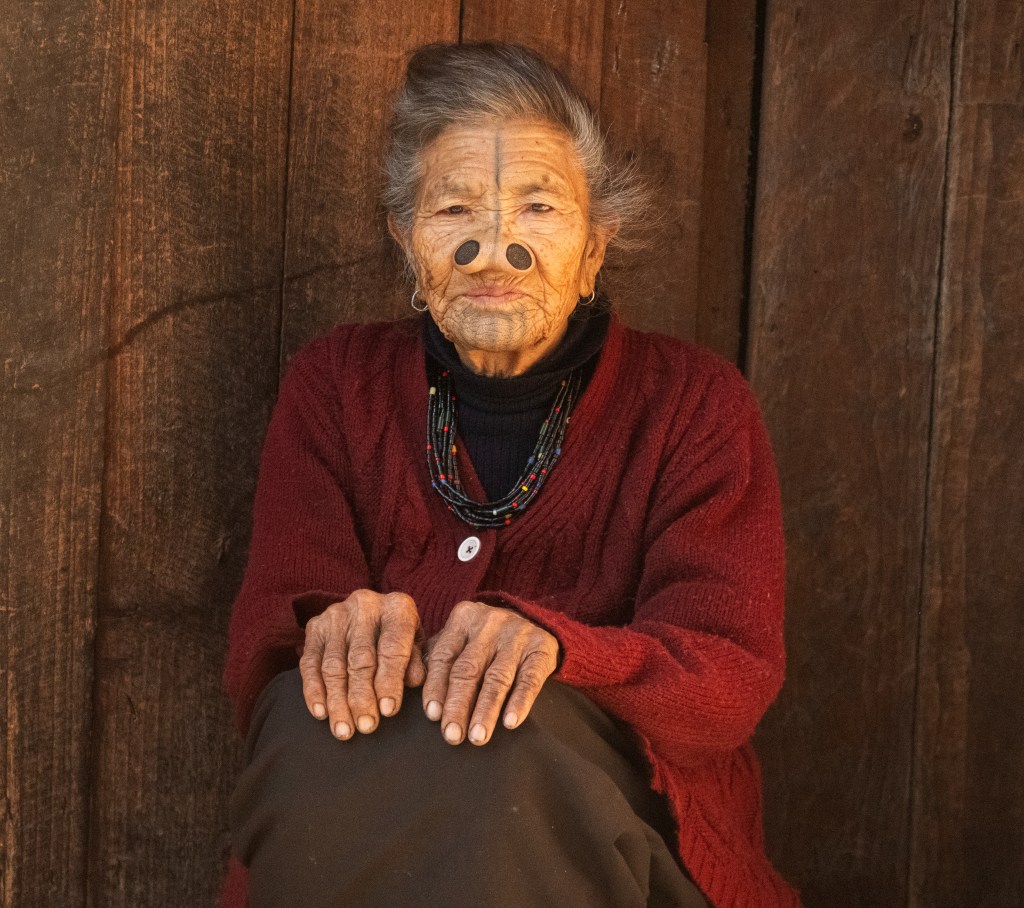
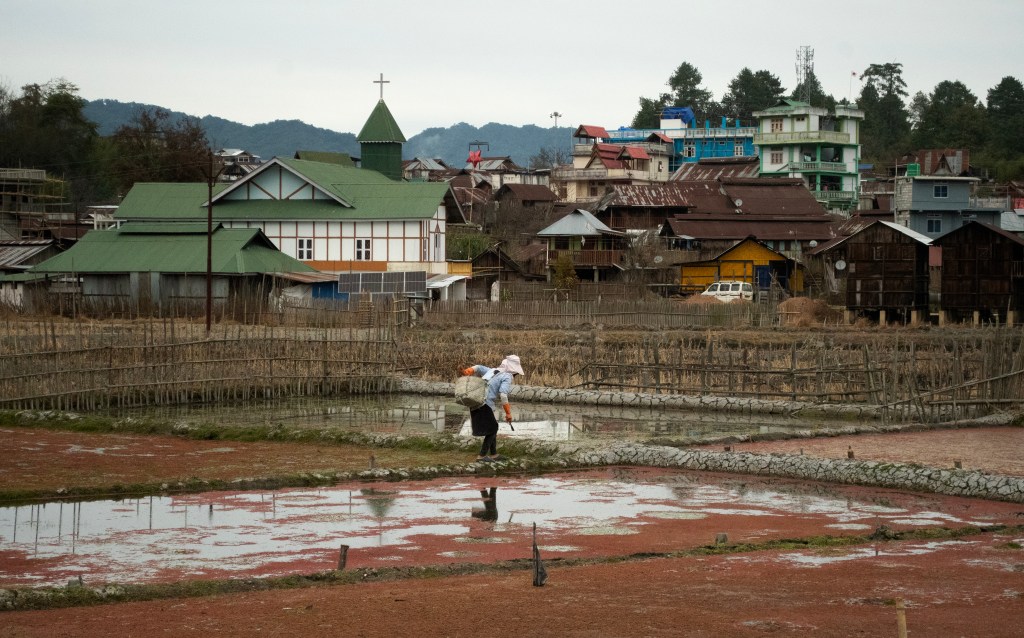
Apatani lady in Ziro
Paddy-Fish culture at Ziro

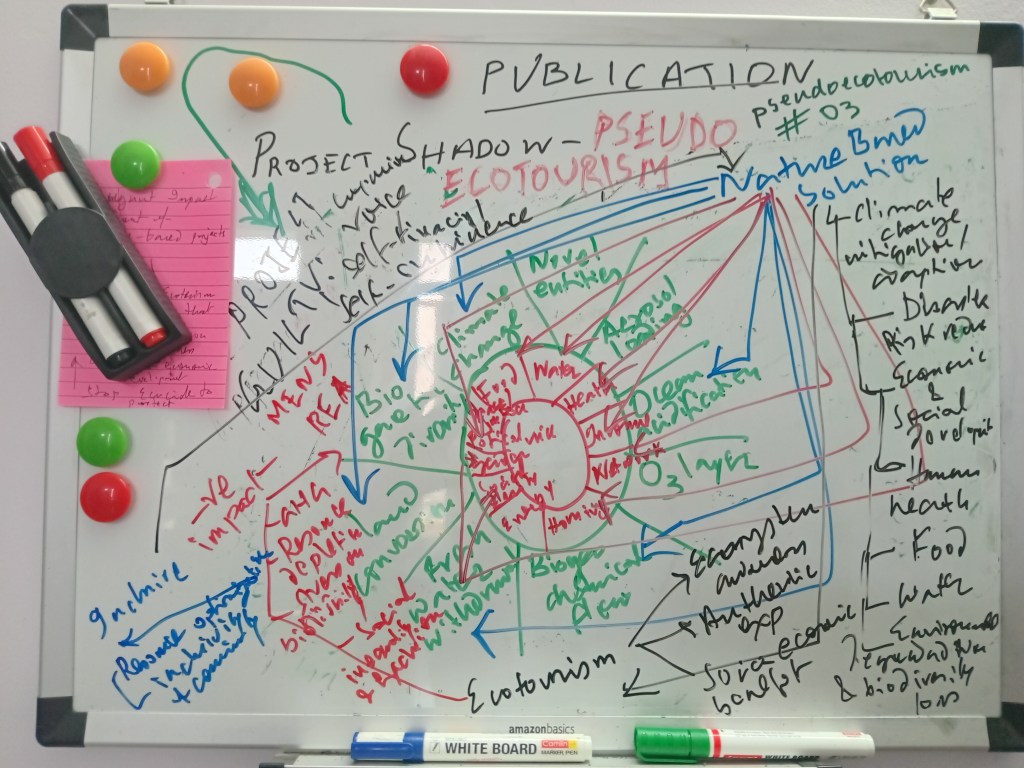
To know how ecotourism embraces deep ecology and how non-human nature merges with human culture, read Pseudo Ecotoursim in the Shadow of the Bengal Tiger.

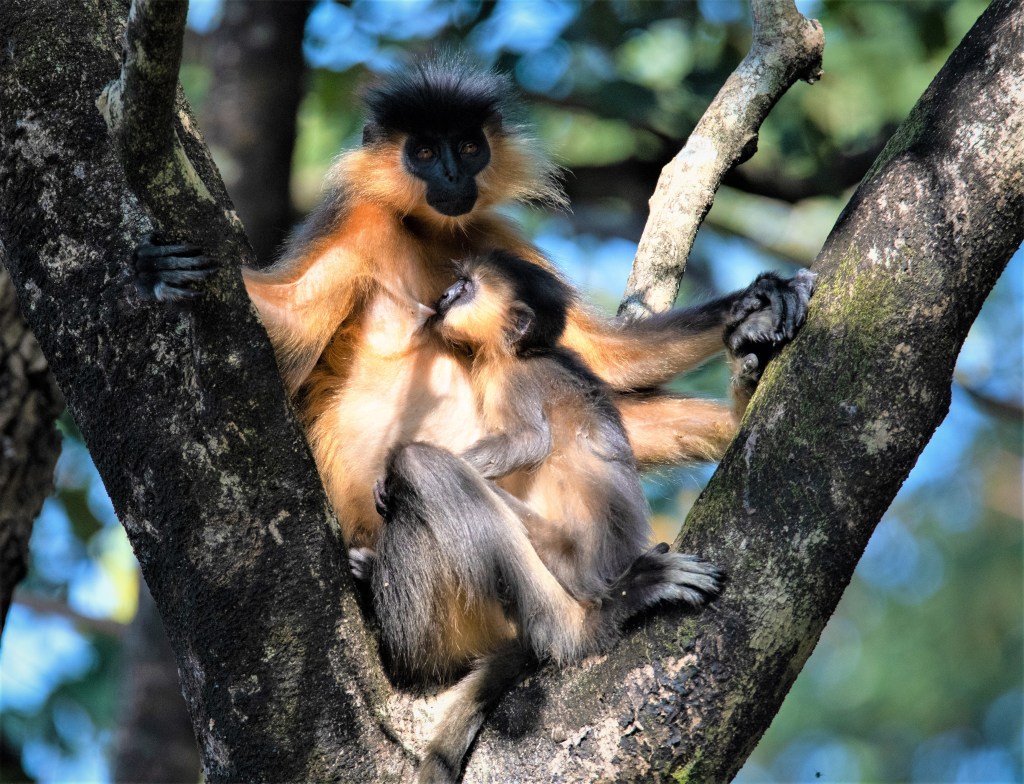
OECM based Ecotourism

Other effective area-based conservation measures‘ (OECMs) are areas that are achieving the long term and effective in-situ conservation of biodiversity outside of protected areas.

In my opinion nature related activities cannot be considered as mere supplementary pursuits, based on ecotourism in a few glorified destinations, visited by most ecotourists and photographers. I have explored and witnessed the ecotourism and photography potential in various natural areas in northeast hills of India, that are located outside protected areas but are home to endangered and ecologically important species. Thus, the next dimension of inclusive ecotourism, the I reckon, is exploring and understanding these ‘other’ areas.

I have been part of ecotourism based on OECM in the northeast hills and Gangetic plane tiger habitats comprising Buxa, Manas, Orang and Kaziranga.

Buxa Tiger Reserve is a tiger reserve and national park in northern West BengalIndia, covering an area of 760 km2 (290 sq mi). It ranges in elevation from 60 m (200 ft) in the Gangetic Plains to 1,750 m (5,740 ft) bordering the Himalayas in the north. At least 284 bird species inhabit the reserve. Mammals present include Asian elephantgaurSambar deerclouded leopardIndian leopard, and Asian golden cat. The Bengal tiger is also present but rarely seen; as of 2005, Buxa Tiger Reserve had only one resident tiger.

A Burmese python in Buxa tiger reserve

Manas National Park is a national parkProject Tiger reserve, and an elephant reserve in Assam, India. Located in the Himalayan foothills, it borders the Royal Manas National Park in Bhutan. The park is known for its rare and endangered endemic wildlife such as the Assam roofed turtlehispid haregolden langur, and pygmy hog. It also hosts the only known population of pygmy hogs in the world. Manas is also famous for its population of the wild water buffalo. Because of its exceptional biodiversity, scenery, and variety of habitats, Manas National Park is a biosphere reserve and a UNESCO World Heritage Site.

Capped langur in Manas

Orang National Park is a national park in India located on the northern bank of the Brahmaputra River in the Darrang and Sonitpur districts of Assam. It covers an area of 79.28 km2 (30.61 sq mi). It was established as a sanctuary in 1985 and declared a national park on 13 April 1999. It is rich in flora and fauna, including great Indian rhinocerospygmy hogAsian elephantwild water buffalo and the Bengal tiger. It is the only stronghold of the rhinoceros on the north bank of the Brahmaputra.

One horned rhino in Orang

Kaziranga National Park is a national park in the GolaghatSonitpurBiswanath and Nagaon districts of the state of Assam, India. KNP has 5 ranges. The park, which hosts two-thirds of the world’s Indian rhinoceroses, is a UNESCO World Heritage Site. According to a March 2018 census conducted jointly by the Forest Department of the Government of Assam and some recognized wildlife NGOs, the rhino population in Kaziranga National Park is 2,613. It comprises 1,641 adult rhinos and 385 calves.

In 2015, the rhino population stood at 2,401. Kaziranga National Park was declared a Tiger Reserve in 2006. The park is home to large breeding populations of elephantswild water buffalo, and swamp deer. Kaziranga is recognized as an Important Bird Area by BirdLife International for conservation of avifaunal species which refers as the birds or types of birds found in a specific region, period, or environment. When compared with other protected areas in India, Kaziranga has achieved notable success in wildlife conservation. Located on the edge of the Eastern Himalaya biodiversity hotspot, the park combines high species diversity and visibility.

Kaziranga is a vast expanse of tall elephant grassmarshland, and dense tropical moist broadleaf forests, criss-crossed by four major rivers, including the Brahmaputra, and the park includes numerous small bodies of water. Kaziranga has been the theme of several books, songs, and documentaries. The park celebrated its centennial in 2005 after its establishment in 1905 as a reserve forest.

Indo-Chinese roller in Kaziranga

To know, how the ecotourism based on OECM contributes to inclusive ecotourism read Pseudo Ecotourism in the Shadow of the Bengal Tiger.

Ecotourism for sustainability

During my solo journey exploring the deserts of western India, I met two conservation crusaders who have successfully created ecotourism and wildlife photography opportunities in their respective areas. Areas that were otherwise considered wasteland. I realized the power and importance of community involvement in ecotourism and conservation. Then I further refined the concept of alternative ecotourism to regenerative and inclusive ecotourism.

Pseudo Ecotourism was awarded as the Nonfiction book of the year and displayed at Kolkata Literary Carnival 2025

Tal Chhapar Sanctuary is a sanctuary located in the Churu district of Northwestern Rajasthan, in the Shekhawati region of India. It is known for blackbucks and is also home to a variety of birds. The sanctuary is 210 km from Jaipur on the fringe of the Great Indian Desert and situated on road from Ratangarh to Sujangarh. The Tal Chhapar sanctuary lies in the Sujangarh Tehsil of Churu District. It lies on the NokhaSujangarh state highway and is situated at a distance of 85 km from Churu and about 132 km from Bikaner. The nearest railway station is Chappar which lies on Degana-Churu-Rewari line of North Western Railways. The nearest airport is Jaipur which is 215 km from Chappar.

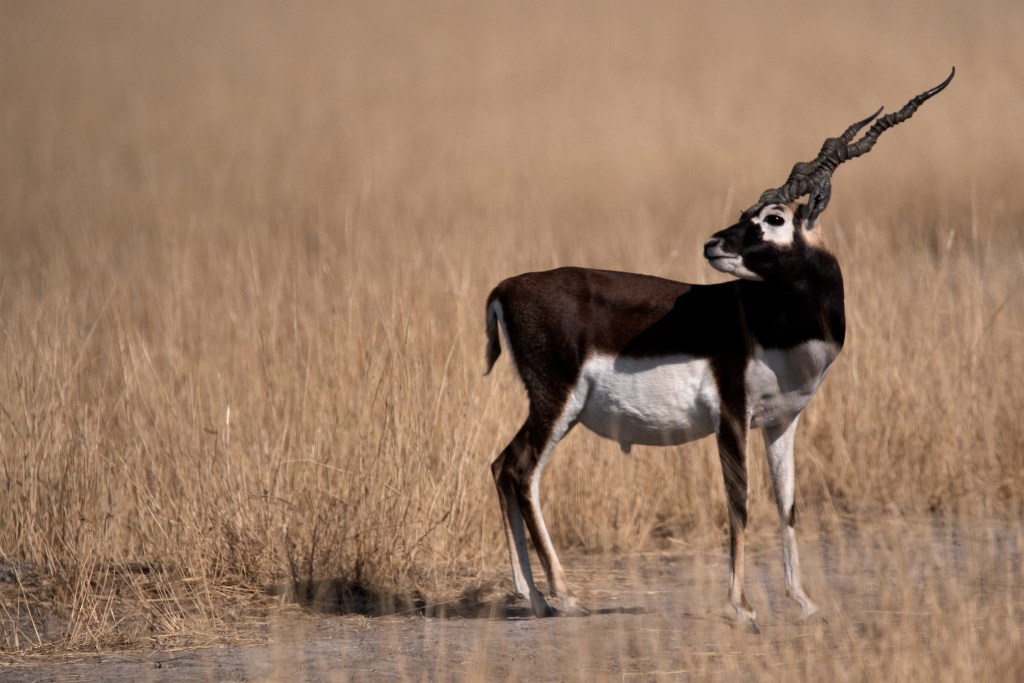
A male black buck at Tal Chhapar
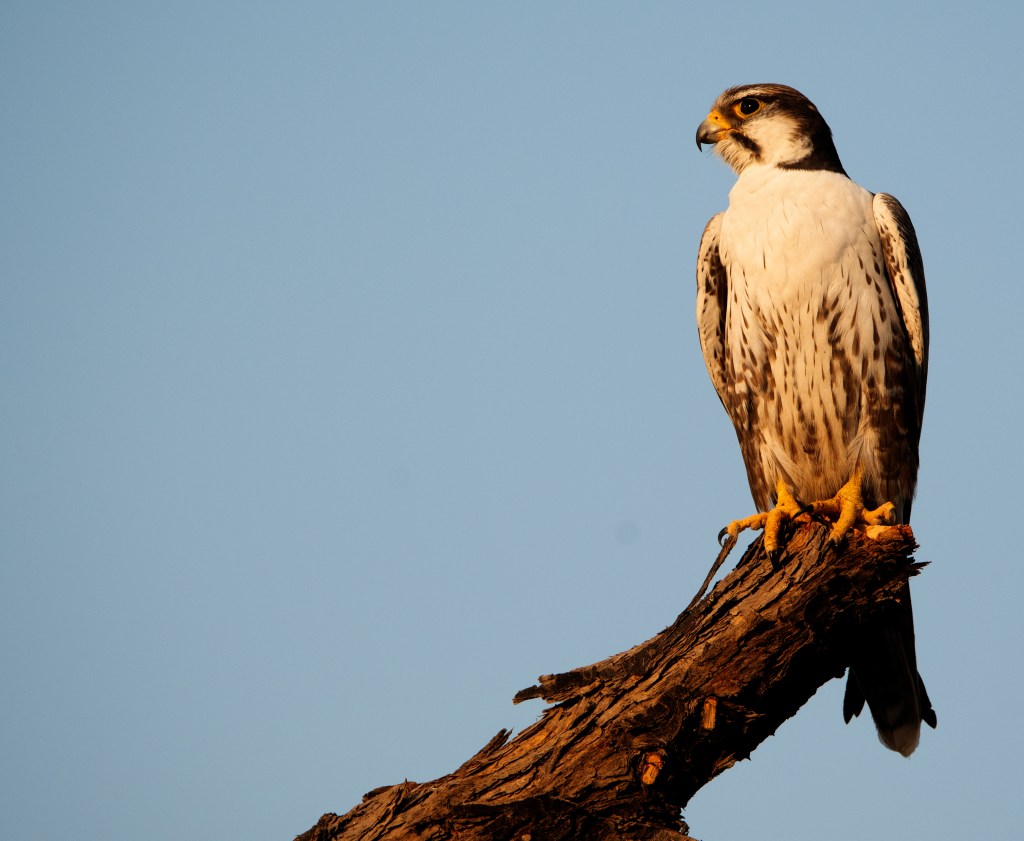
A lagger falcon at Tal Chhapar

Desert National Park is a national park in the Indian state of Rajasthan, near the towns of Jaisalmer and Barmer. It is one of the largest national parks, covering an area of 3,162 km2 (1,221 sq mi) in the Thar DesertSand dunes form around 44% of the park. The major landform consists of craggy rocks and compact salt lake bottoms, intermedial areas and fixed dunes. It was gazetted in 1980. Despite a fragile ecosystem, it harbours an abundance of birdlife, both migratory and resident birds, including short-toed eagletawny eaglespotted eaglelaggar falconkestrelsand grouse and great Indian bustard. Desert National Park has a collection of fossils of animals and plants which are 180 million years old. Some fossils of dinosaurs which are 60 million years old were found in the area.

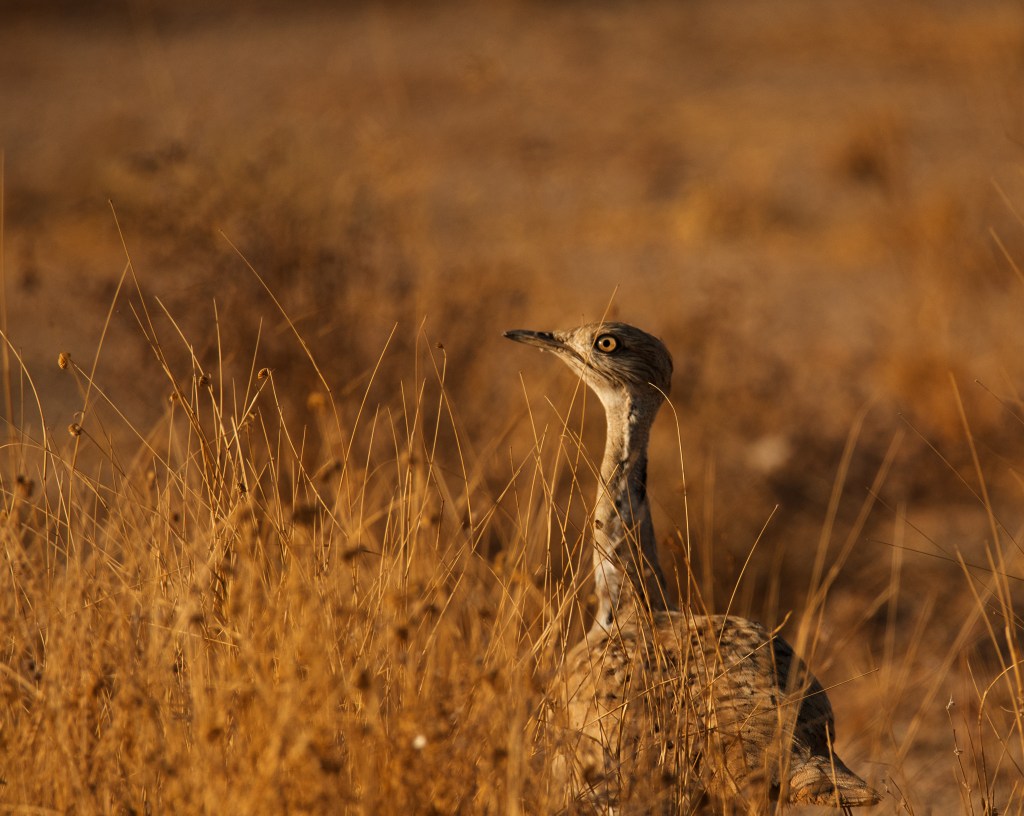
Mcqueen bustard at DNP
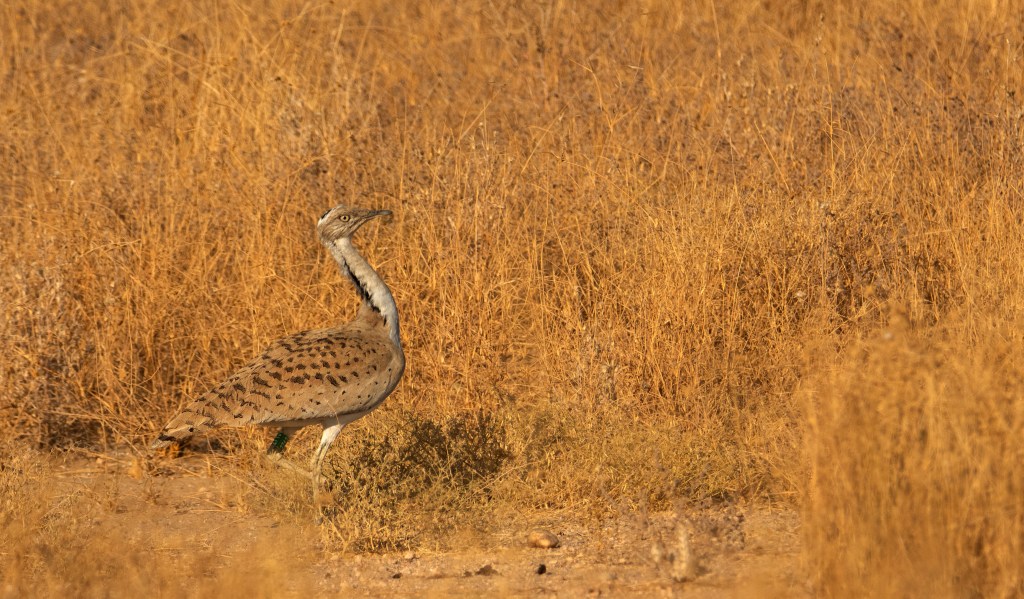
GIB at DNP

Simlipal National Park (ISOŚimiḷipāḷa Jātīya Udyāna) is a national park and tiger reserve in the Mayurbhanj district in the Indian state of Odisha covering 2,750 km2 (1,060 sq mi). It is part of the Mayurbhanj Elephant Reserve, which includes three protected areas, Similipal Tiger Reserve, Hadgarh Wildlife Sanctuary with 191.06 km2 (73.77 sq mi) and Kuldiha Wildlife Sanctuary with 272.75 km2 (105.31 sq mi). Simlipal National Park derives its name from the abundance of red silk cotton trees growing in the area. The park is home to Bengal tigerAsian elephantgaur, and chausingha. This protected area is part of the UNESCO World Network of Biosphere Reserves since 2009.

water falls inside Simlipal

Satkosia Gorge is a gorge in eastern OdishaIndia, carved by the Mahanadi River. The gorge is located within the Satkosia Tiger Reserve which is a United nations Protected area. It is also a Ramsar site designated in 2021.

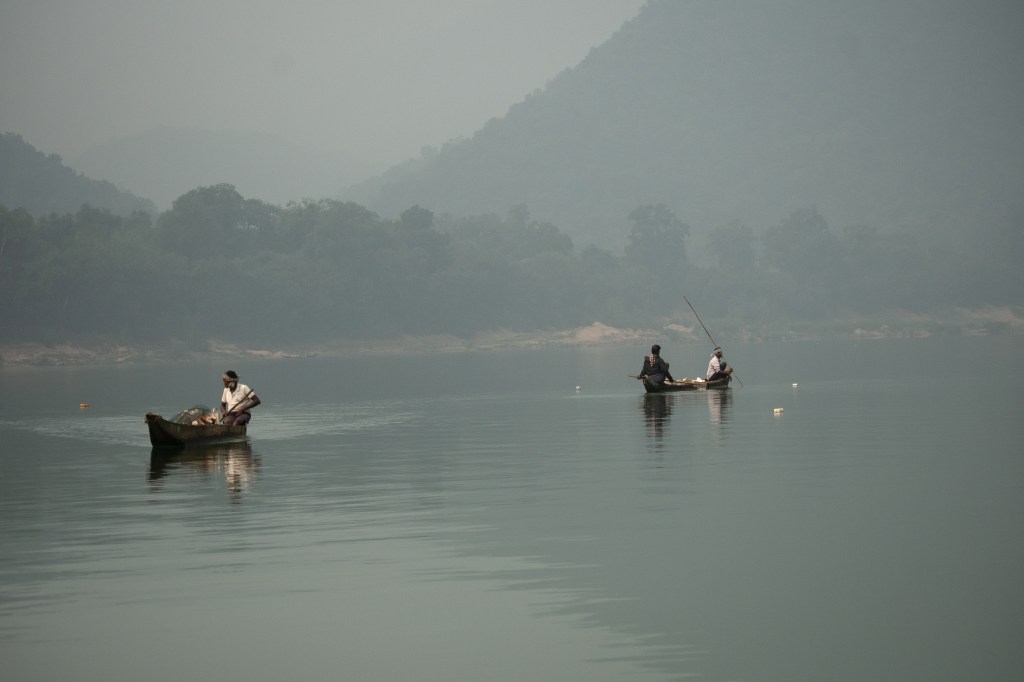
Satkosia Gorge

To know more on how ecotourism contributes to socio-environmental aspects of this planet, read Pseudo Ecotourism in the Shadow of The Bengal Tiger.

Agro-forestry ecotourism

Shreeram introduces me to herpetofauna photography. Trained in science of environment I quickly understood the vital role played by herpetofauna in forest regeneration, without whom even tigers wouldn’t survive. As I meander through the tea and coffee estates of Western Ghats, I discovered an alternative ecotourism to counter the tiger centric ecotourism.

I continued my exploration of herpetofauna in other areas of Western Ghats such as Munnar, Valparai and Parambikulam.

Munnar is a town in the Western Ghats Mountain range in India’s Kerala state. A hill station and former resort for the British Raj elite, it’s surrounded by rolling hills dotted with tea plantations established in the late 19th century. Eravikulam National Park, a habitat for the endangered mountain goat Nilgiri tahr, is home to the Lakkam Waterfalls, hiking trails and 2,695m-tall Anamudi Peak.

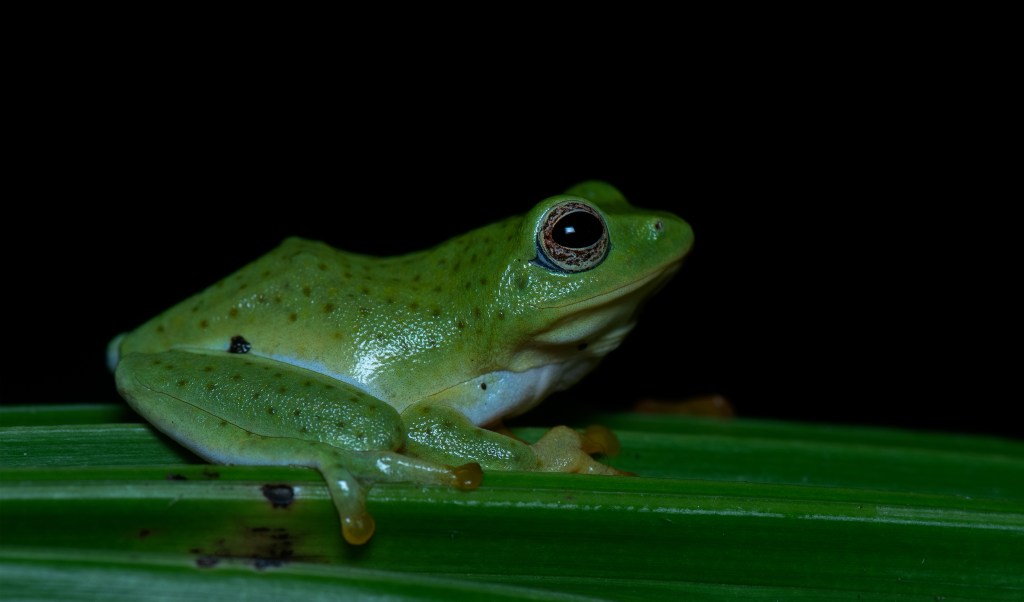
Resplendes bush frog found in Munnar
Large scaled pit viper found in Munnar

Valparai is a hill station in the south Indian state of Tamil Nadu. Nallamudi Viewpoint has vistas of the Anamalai Hills in the Western Ghats, and surrounding tea estates. To the northwest, in Kerala, Parambikulam Tiger Reserve is a forested area, with teak plantations and trails, sheltering tigers and Indian elephants. Northeast of town, the Anamalai Tiger Reserve is home to tigers, panthers, elephants and macaques.

Jayram’s bush frog found in Valparai
Lion tailed macaque of Valparai

Parambikulam Tiger Reserve, which also includes the erstwhile Parambikulam Wildlife Sanctuary, is a 643.66 square kilometres (248.5 sq mi) protected area lying in Palakkad district and Thrissur district of Kerala state, South India. The Wildlife Sanctuary, which had an area of 285 square kilometres (110 sq mi) was established in part in 1973 and 1984. It is in the Sungam range of hills between the Anaimalai Hills and Nelliampathy Hills.

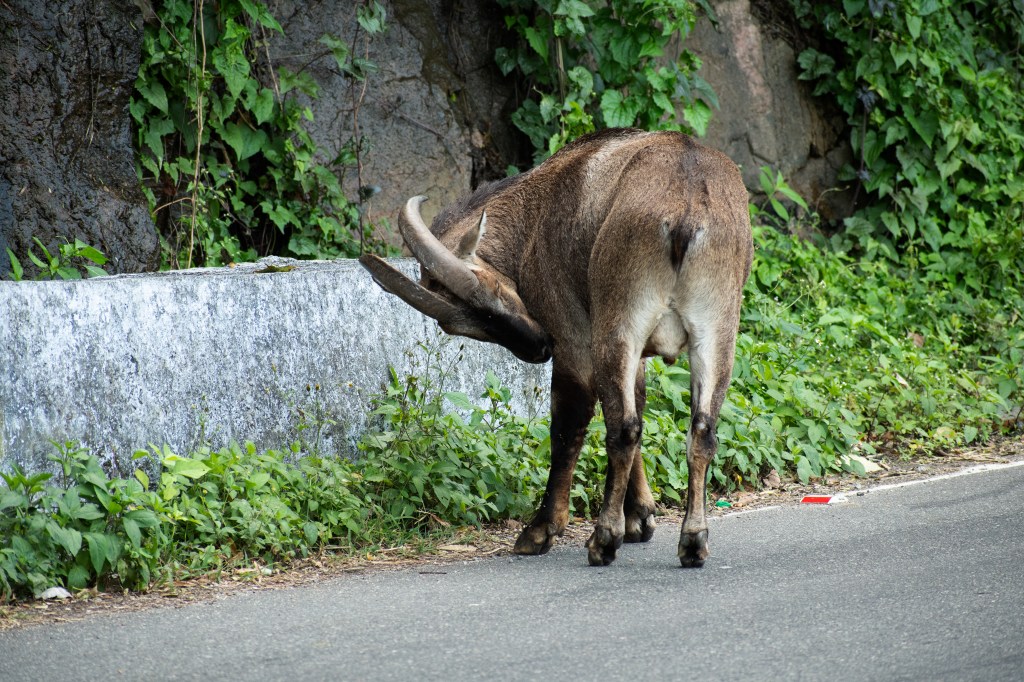
Nilgiri Thar in Valparai

Agroforestry can be an object of ecotourism itself. This means that agroforestry farms (or complexes) can be converted into ecotourism destinations themselves. Yes, agroforestry can itself be a strong tourist attraction depending on what nature-based recreation features it can offer to tourists.

To know this new aspect of inclusive ecotourism read Pseudo Ecotourism.

The under(-rated-) story!

As a practicing environmentalist I believed although the core concept of sustainable development is integrating economy with ecology, but in reality, it’s always the economy which takes precedence. I saw reflection of this belief in tiger tourism. Then I met a photography mentor, named M.V. Shreeram, who told me, “To get a better perspective, you have to lie down!” I correlated this to principle of deep ecology, to find a solution to combat pseudo ecotourism.

After years of exploration in various tiger reserves of India, focused on the the undergrowth of forest to discover “inclusive ecotourism”! I started exploring the world of herpetofauna in rainforest of Western Ghats.

First sighting of a Malabar pit viper
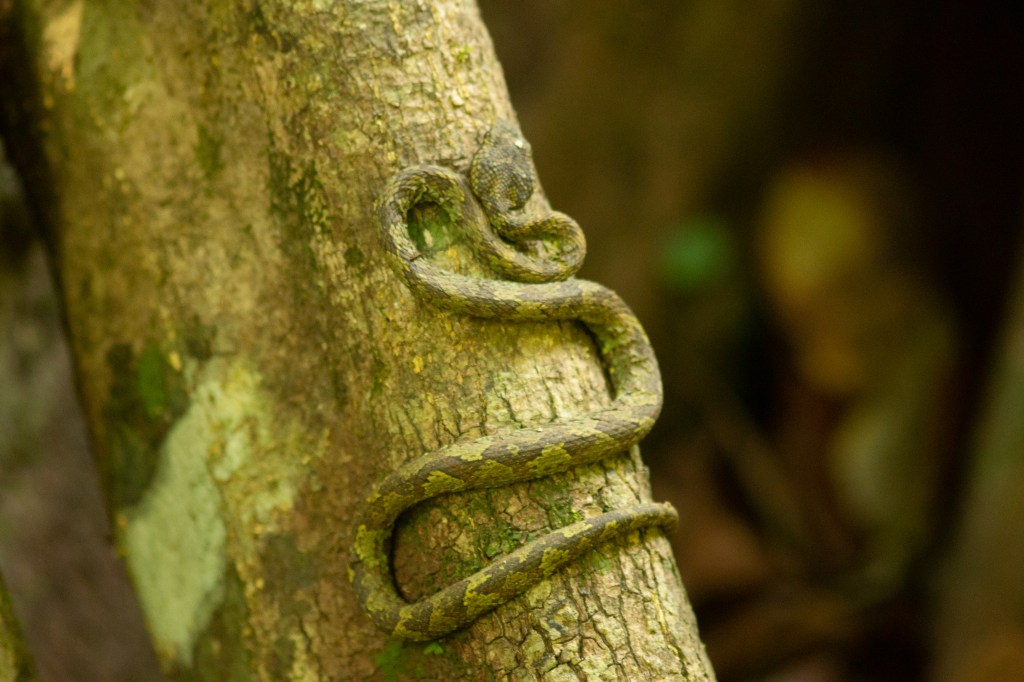
A brown vine snake at Agumbe

Agumbe is a high-altitude village in the southwest Indian state of Karnataka. Surrounded by the Western Ghats mountains and lush rainforest, it’s known its many waterfalls, such as Onake Abbi, Bakarna and Jogi Gundi falls. The Sunset View Point overlooks forested valleys. Nearby is Sri Venugopala Krishna Swamy Temple. To the south, tigers, leopards and king cobras live in Someshwara Wildlife Sanctuary

A saw scaled viper at Chorla Ghat
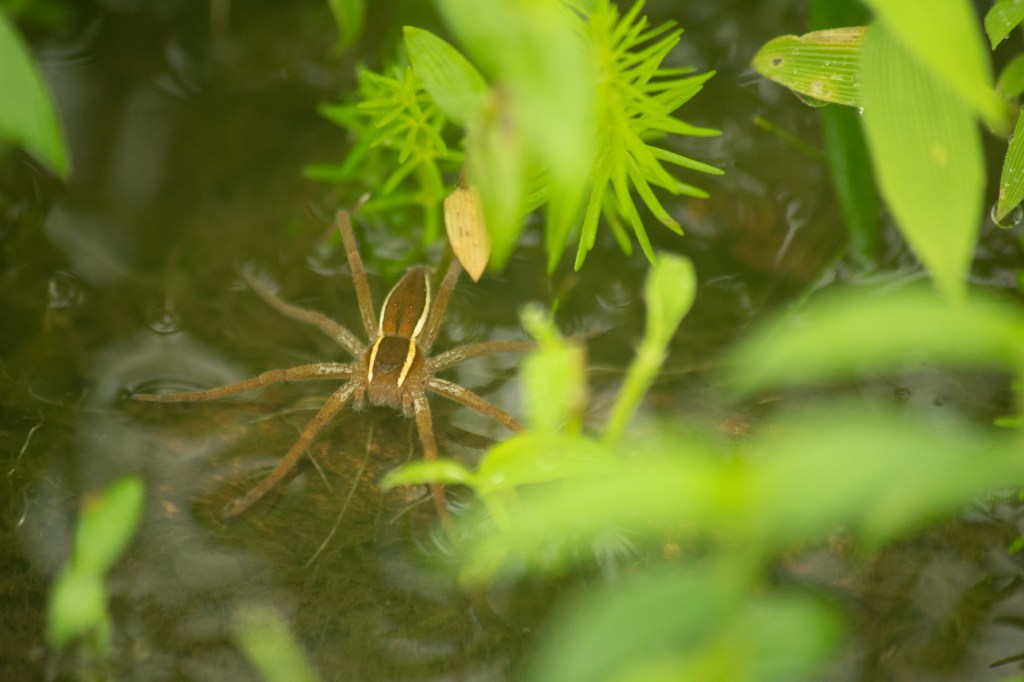
A fishing spider at Chorla Ghat

Chorla Ghat is an Indian nature destination, located on the intersection of the borders of the states of Goa, Karnataka, and Maharashtra. It lies to the north-east of Panaji, Goa and nearly 55 kilometres from Belgaum in Karnataka

A Coorg bush frog
Fungi of Coorg

Kodagu, also known as Coorg, is a rural district in the southwest Indian state of Karnataka. In the area’s north, Madikeri Fort has 2 life-size elephant statues at its entrance, plus a Gothic-style church with a museum on its grounds. Nearby, the Hindu Omkareshwara Temple dates back to the 19th century. Farther north are the domed Raja’s Tomb, a burial place of Kodava kings, and cascading Abbi Falls.

To know more about how I adapted the philosophy of deep ecology in ecotourism and discovered concept of inclusive ecotourism, read my book Pseudo Ecotourism in the Shadow pf the Bengal Tiger.

Great Indian Tiger Show

As I continued my tiger tourism and photography in Central Indian tiger reserves, I saw the ugly face of commodity fetishism which had converted ecotourism into pseudo ecotourism. I saw how commodity fetishism stricken urban affluent wildlife photographers and ecotourists do not hesitate to perform unethical practices to get their desired tiger images.

A female tiger of Tadoba

Ranthambore National Park is a 1,334 km2 (515 sq mi) large national park in the Indian state of Rajasthan. It is bounded to the north by the Banas River and to the south by the Chambal River. It is named after the historic Ranthambore Fort, which lies within the park. Ranthambore National Park was established as the Sawai Madhopur Game Sanctuary in 1955, initially covering an area of 282 km2 (109 sq mi). It was declared one of the Project Tiger reserves in 1973.

A female tiger at Ranthambhore snarling at tourists
Territory marking

Bandhavgarh National Park is a national park of India, located in the Umaria district of Madhya Pradesh. Bandhavgarh, with an area of 105 square kilometres (41 sq mi), was declared a national park in 1968 and then became Tiger Reserve in 1993. The current core area is spread over 716 square kilometres (276 sq mi).

This park has a large biodiversity. The park has a large breeding population of leopards, and various species of deer. Maharaja Martand Singh of Rewa captured the first white tiger in this region in 1951. This white tiger, Mohan, is now stuffed and on display in the palace of the Maharajas of Rewa. Historically villagers and their cattle have been at a threat from the tiger. Rising mining activities around the park are putting the tigers at risk. The park derives its name from the most prominent hill of the area, which is said to have been given by Lord Rama to his brother Lakshmana to keep a watch on Lanka (Bandhav = Brother, Garh = Fort). The fort was built by a Gond Dynasty king.

A male tiger at Bandhabhgarh
Chasing tiger by elephant

What was transformed after witnessing this great Indian tiger show and how? To know that read my book on “Inclusive Ecotourism”

Tiger Economy

When a buyer invests in any commodity, they expect a return as promised by the seller. After parting with Vedavyasa, I had emerged as a solo explorer venturing into BRT and Kabini of Western Ghats and Sariska of central India. There I experienced the tiger economy in very different ways and understood the resulting stress on the tiger and its habitat.

After witnessing the commodity fetishism in so-called glamorous tiger reserves of India, I encountered with a Conservation Crusader Couple at Amrabad Tiger Reserve, India’s second largest tiger reserve. They were promoting the concept of “inclusive ecotourism” to counter tiger centric ecotourism.

Listen my conversation with them

Me with Swetha, Akhil and a local Chenchu tribal boy at Amrabad

The Biligirirangana Hills or Biligirirangan Hills (as referred to in biology and geology) is a hill range situated in Chamarajanagar District in south-western Karnataka, at its border with Tamil Nadu (Erode District) in South India. The area is called Biligiri Ranganatha Swamy Temple Wildlife Sanctuary or simply BRT Wildlife Sanctuary. It is a protected reserve under the Wildlife Protection Act of 1972. Being close to the Eastern Ghats as well as the Western Ghats, the sanctuary has floral and faunal associations with both regions. The site was declared a tiger reserve in January 2011 by the Government of Karnataka, a few months after approval from India’s National Tiger Conservation Authority.

A crested serpent eagle at BRT

The Kabini River (Kapila River) is one of the major tributaries of the river Cauvery in southern India, It originates near Kavilumpara in Kozhikode district of Kerala state by the confluence of the Panamaram River and the Mananthavady River. It flows eastward through Wayanad district, entering Mysore district of Karnataka, to join the Kaveri River in Mysore district of Karnataka.

The Kabini Forest Reserve is one of the most popular wildlife destinations of Karnataka, due to its accessibility, green landscape surrounding a large lake, and sightings of herds of elephants and tigers. It is 61 km (38 mi) away from Mysuru and 205 km (127 mi) from Bengaluru, and comprises the south-eastern part of Nagarahole National Park. The reserve is spread over 55 acres (22 ha) of forestland, steep valleys, and water bodies. Once a private hunting lodge of the Maharaja of Mysore, Kabini was a popular shikar hotspot for British Viceroys and Indian royalty. There are around 120 tigers, more than 100 leopards, four types of deer, Sloth bear, Indian Gaurs and elephants in the Nagarahole National Park.

A male tiger at Kabini

Sariska Tiger Reserve is a tiger reserve in Alwar districtRajasthan, India. It stretches over an area of 881 km2 (340 sq mi) comprising scrub-thorn arid forestsdry deciduous forests, grasslands, and rocky hills. This area was preserved for hunting, for the Alwar state and was declared a wildlife sanctuary in 1958. It was given the status of a tiger reserve making it a part of India’s Project Tiger in 1978. The wildlife sanctuary was declared a national park in 1982, with a total area of about 273.8 km2 (105.7 sq mi). It is the first reserve in the world with successfully relocated tigers. It is an important biodiversity area in the Northern Aravalli leopard and wildlife corridor.

The park is a part of the Aravalli Range and the Khathiar-Gir dry deciduous forests ecoregion. It is rich in mineral resources, such as copper. In spite of the Supreme Court‘s 1991 ban on mining in the area, marble mining continues to threaten the environment

A female tiger at Sariska

Nagarjunsagar-Srisailam Tiger Reserve is the largest tiger reserve in India. The reserve spreads over five districts, Nandyal DistrictPrakasam DistrictPalnadu DistrictNalgonda District and Mahabub Nagar district. The total area of the tiger reserve is 3,728 km2 (1,439 sq mi). The core area of this reserve is 1,200 km2 (460 sq mi). The reservoirs and temples of Srisailam are major attraction for many tourists and pilgrims. It is the largest tiger reserve forest in India and is located inside Nallamala forest area.

Vast landscape of Nagarjunsagar Srisailam

Amrabad is a Mandal in Nagarkurnool districtTelangana It is the largest mandal in the district area-wise, but population density is less. Large portions of the mandal is occupied by Nallamala forests. Amrabad also served as the headquarters of the taluka before separate mandals were formed. It is inhabited by tribal population, mostly Chenchus.

Nilgai at Amrabad

To know what I discovered as “tiger economy” read my book

Fame breeds arrogance

This success (of tiger sighting) repeats itself in the forests of Corbett Park, and we conclude that today’s tigers in the wild are not as ferocious as described in stories of Jim Corbett. We were engulfed by commodity fetishism for tiger photography and tourism.

We visited Corbett Park in April 2018 and then in Nameri Tiger Reserve of Assam in December 2018. In Balipara of Assam the miserable side of Vedavyasa was unfolded in front of me.

To know, what was that and what happened after that, read Pseudo Ecotourism in the Shadow of the Bengal Tiger

Jim Corbett National Park is a national park in India located in the Nainital district of Uttarakhand state. The first national park in India, it was established in 1936 during the British Raj and named Hailey National Park after William Malcolm Hailey, a governor of the United Provinces in which it was then located. In 1956, nearly a decade after India’s independence, it was renamed Corbett National Park after the hunter and naturalist Jim Corbett, who had played a leading role in its establishment and had died the year before. The park was the first to come under the Project Tiger initiative

A female tiger looking straight to us
Parade of elephants crossing forest path

Nameri National Park is a national park in the foothills of the eastern Himalayas in the Sonitpur District of AssamIndia, about 35 km from Tezpur. Nameri is about 9 km from Chariduar, the nearest village. Nameri shares its northern boundary with the Pakhui Wildlife Sanctuary of Arunachal Pradesh. Together they constitute an area of over 1,000 km2 (390 sq mi), of which Nameri has a total area of 212 km2 (82 sq mi). Nameri National Park was declared as Tiger Reserve in the year 1999-2000, and is the second Tiger reserve of Assam after Manas Tiger Reserve. It has two core areas: Nameri National Park and Sonai- Rupai Wildlife (Satellite Core of the Nameri Tiger Reserve). The river Jia-Bhoroli is the lifeline of Nameri, which flows along the southern boundary of the park from northwest to southeast. In the east, the river Bor-Dikorai is a tributary of river Jia-Bhoroli, flowing along the southern boundary from northeast to southwest.

Jia Bhoroli river at Nameri
Tokay gecko at Nameri

To know more about my book Pseudo Ecotourism in the shadow of the Bengal Tiger, read reviews at Good Reads

https://www.goodreads.com/book/show/212106582-pseudo-ecotourism

Also read sample chapters from the book

The Urban Affluent folks find the easiest side of their hobby to achieve fame and glory!

We discover a way to evade such hardships and decide to roam the forests from the safety and comfort of a safari gypsy. After six successive failed explorations across the forests of Nagarhole, Bandipur, Periyar, Satpura, Pench and Kanha, finally, we succeed in taking the coveted pictures of Bengal Tigers in the deciduous forest of Tadoba and were convinced that that was the easiest way to achieve fame and glory. On the journey, though, I realize how commoditization has created the concept of tiger tourism and photography, that threatens ecotourism potential involving other wildlife species.

Exploration in “Tiger Terrain”

We started our exploration in most popular tiger tourism destination of subcontinent, the so-called “tiger terrain” – The Central Indian landscape. In the May of 2016, we explored Satpura, Pench and Kanha tiger reserves of Madhya Pradesh state of India and in January of 2017 we visited Tadoba Andhari tiger reserve of Maharashtra state of India.

Entry of Satpura through Madhai gate
A leopard cub at Satpura

Satpura Tiger Reserve (STR) also known as Satpura National Park is located in the Narmadapuram district of Madhya Pradesh in India. Its name is derived from the Satpura range. It covers an area of 524 km2 (202 sq mi). Satpura National Park, along with the adjoining Bori and Pachmarhi wildlife sanctuaries, provides 2,200 km2 (850 sq mi) of unique central Indian highland ecosystem. It was set up in 1981.

Herd of sambar at Pench
A golden jackal at Pench

Pench Tiger Reserve or Pench National Park is one of the premier tiger reserves of India and the first one to straddle across two states – Madhya Pradesh and Maharashtra. The reference to Pench is mostly to the tiger reserve in Madhya Pradesh. The portion of the reserve that is in Madhya Pradesh is nestled in the southern slopes of the Satpura range of Central India. Pench Tiger Reserve comprises the Indira Priyadarshini Pench National Park, the Pench Mowgli Sanctuary and a buffer. It is the same forest area portrayed in the famous “The Jungle Book” by Rudyard Kipling.

Spotting tiger pugmark at Kanha
Barasingha at Kanha

Kanha Tiger Reserve, also known as Kanha–Kisli National Park, is one of the tiger reserves of India and the largest national park of the state of Madhya Pradesh. The present-day Kanha area is divided into two protected areas, Hallon and Banjar, of 250 and 300 km2 (97 and 116 sq mi), respectively. Kanha National Park was created on 1 June 1955 and was designated tiger reserve in 1973. Today, it encompasses an area of 940 km2 (360 sq mi) in the two districts Mandla and Balaghat. Together with a surrounding buffer zone of 1,067 km2 (412 sq mi) and the neighbouring 110 km2 (42 sq mi) Phen Sanctuary, it forms the Kanha Tiger Reserve, which is one of the biggest in the country. This makes it the largest national park in central India.

First tiger sighting at Tadoba
Tiger tourism at Tadoba

The Tadoba Andhari Tiger Reserve is a wildlife sanctuary in Chandrapur district of Maharashtra state in India. It is Maharashtra’s oldest and largest national park. Created in 1955, the reserve includes the Tadoba National Park and the Andhari Wildlife Sanctuary. The reserve consists of 577.96 square kilometres (223.15 sq mi) of reserved forest and 32.51 square kilometres (12.55 sq mi) of protected forest. Legend holds that Taru was a village chief who was killed in a mythological encounter with a tiger. Taru was deified and a shrine dedicated to Taru now exists beneath a large tree on the banks of Tadoba Lake. The temple is frequented by adivasis, especially during a fair held annually in the Hindu month of Pausha (December–January).

After our first tiger sighting at Tadoba, we were confident about our path chosen to achieve fame and glory through ecotourism/wildlife photography.

But something was not quite right! What was that? To know read my newly published book Pseudo Ecotourism in the Shadow of the Bengal Tiger.

You can read the review of the book at Good Reads:

https://www.goodreads.com/book/show/212106582-pseudo-ecotourism

The book is available with 20 global distributors. The free sample chapters can be read at:

When urban affluent folks start considering their hobby as the most unique one!

Stricken by the desire for being the most interesting person in the room, after a successful first trip in Gir, we decide to further strengthen this new hobby of wildlife photography, by creating opportunities to live in proximity to nature. Hardships in the tropical rainforest of Periyar tiger reserve made us realize our limitations in living close to nature. However, driven by a hunger for fame and glory, all we desire is to take pictures of the Bengal Tiger in the wild to distinguish ourselves as unique.

Rafting through Periyar River

We named this exploration as “Hiking in Highlands” as Western Ghats can very well be considered as highlands of Indian subcontinent, because of floral and faunal diversity, rain clad mountains, and evergreen forests. The exploration had five segments – Rangnathettu bird sanctuary, Nagarhole National Parks, Bandipur National Park, Eravikulam National Park and Periyar National Park.

Rout map of “Hiking in Highland”

Ranganathittu Bird Sanctuary (also known as Pakshi Kashi of Karnataka), is a bird sanctuary in the Mandya District of Karnataka in India. It is the largest bird sanctuary in the state, 40 acres (16 ha) in area, and comprises six islets on the banks of the Kaveri river. The sanctuary has been designated on 15 February 2022 as a protected Ramsar site since 2022. Ranganathittu is located 3 km (1.9 mi) from the historic town of Srirangapattana and 16 km (9.9 mi) north of Mysore. The sanctuary attracted about 3 lakh visitors during 2016–17.

A spot-billed pelican at Ranganathettu

Nagarahole National Park is a national park located in Kodagu district and Mysore district in Karnataka, India. This park was declared the 37th Tiger Reserve of India in 1999. It is part of the Nilgiri Biosphere Reserve. The Western Ghats Nilgiri Sub-Cluster of 6,000 km2 (2,300 sq mi), including all of Nagarhole National Park, is under consideration by the UNESCO World Heritage Committee for selection as a World Heritage Site. The park has rich forest cover, small streams, hills, valleys and waterfalls, and populations of Bengal tigergaurIndian elephantIndian leopardchital and Sambar deer.

Spotted deer at Nagarhole
Herd of elephants in Nagarhole

Bandipur National Park is a national park covering 868.63 km2 (335.38 sq mi) in Chamarajnagar district in the Indian state of Karnataka. It was established as a tiger reserve under Project Tiger in 1973. It is part of the Nilgiri Biosphere Reserve since 1986. The Maharaja of the Kingdom of Mysore created a sanctuary of 90 km2 (35 sq mi) in 1931 and named it the Venugopala Wildlife Park. The Bandipur Tiger Reserve was established under Project Tiger in 1973 by adding nearly 800 km2 (310 sq mi) to the Venugopala Wildlife park.

Leopard on tree at Bandipur

Eravikulam National Park is a 97 km2 national park located along the Western Ghats in the Idukki and Ernakulam districts of Kerala in India. The park is situated between 10º05’N and 10º20′ north, and 77º0′ and 77º10′ east and is the first national park in Kerala. It was established in 1978. Eravikulam National Park is administered by the Kerala Department of Forests and Wildlife, Munnar Wildlife Division, which also runs the nearby Mathikettan Shola National ParkAnamudi Shola National ParkPambadum Shola National ParkChinnar Wildlife Sanctuary and the Kurinjimala Sanctuary.

Nilgiri Tahr at Eravikulam

Periyar National Park and Wildlife Sanctuary (PNP) is a protected area located in the districts of Idukki and Pathanamthitta in KeralaIndia. It is an elephant and a tiger reserve. The protected area encompasses 925 km2 (357 sq mi), of which 305 km2 (118 sq mi) of the main zone was declared as the Periyar National Park in 1982. The park is a repository of rare, endemic, and endangered flora and fauna and forms the major watershed of two important rivers of Kerala: the Periyar and the Pamba. The park is located high in the Cardamom Hills and Pandalam Hills of the south Western Ghats along the border with Tamil Nadu. It is 4 km (2.5 mi) from Kumily, approximately 100 km (62 mi) east of Kottayam, 110 km (68 mi) west of Madurai and 120 km (75 mi) southeast of Kochi.

Source of Information: Wikipedia

Hiking in Highlands – through dense forest of Periyar

In real sense the quest for Bengal Tiger was started by my friend and me, at 6:30 in the morning of 2nd December 2015 from the Bandipur National Park. Although Bandipur National Park was our first dedicated venture in the shadow of Bengal Tiger, but technically the exploration in tiger habitat started from another national park of Western Ghats – the Nagarhole National Park. The Kabini side of the park is famous for sighting of melanistic leopard – commonly known as Black Panther. However, we did not go to Kabini. In the morning of 30th November 2015, both of us with our driver cum “Man Friday” Purushottam, reached at the Veeranahosahalli range of Nagrahole National Park from our base camp at Jungle Inn resort. Before coming to Nagarhole, en route, we visited Ranganathettu, the largest bird sanctuary of Karnataka, situated on the bank of Cauvery River.

After finishing our exploration in Bandipur, on same day afternoon, we came back to Bangalore and took an overnight bus to reach Munnar on next day morning. After spending next whole day, exploring Eravikulam National Park, we reached forest rest house at Thekkady in the evening of 4th December. On 5th December at 9:00 am we reached at the check post of Periyar Tiger Reserve to start one of the most adventurous and challenging forest hiking of this country, the Periyar Tiger Trail, with a hope that our bad luck for sighting tiger would end there.

To know what happened in that exploration, in the Highlands of Indian subcontinent, and how my life started changing after that trip, read my recently published book.

The book is now available through seventeen global distributors:

Read the review of books in GoodReads:

https://www.goodreads.com/book/show/212106582-pseudo-ecotourism

You can read free sample Chapters at :