
Shreeram introduces me to herpetofauna photography. Trained in science of environment I quickly understood the vital role played by herpetofauna in forest regeneration, without whom even tigers wouldn’t survive. As I meander through the tea and coffee estates of Western Ghats, I discovered an alternative ecotourism to counter the tiger centric ecotourism.
I continued my exploration of herpetofauna in other areas of Western Ghats such as Munnar, Valparai and Parambikulam.

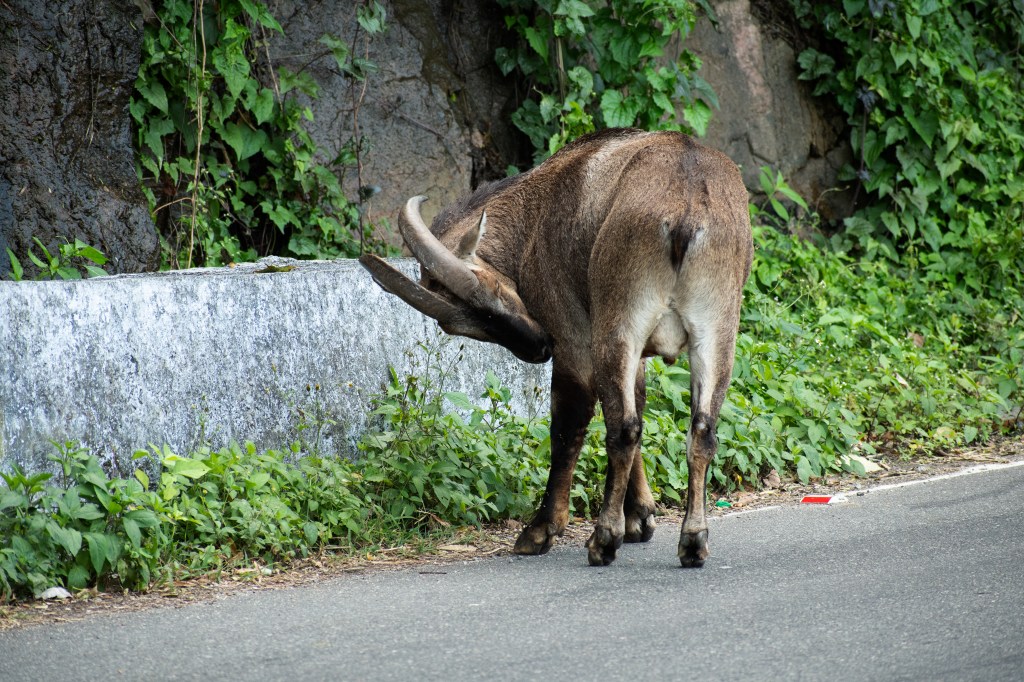
Munnar is a town in the Western Ghats Mountain range in India’s Kerala state. A hill station and former resort for the British Raj elite, it’s surrounded by rolling hills dotted with tea plantations established in the late 19th century. Eravikulam National Park, a habitat for the endangered mountain goat Nilgiri tahr, is home to the Lakkam Waterfalls, hiking trails and 2,695m-tall Anamudi Peak.


Valparai is a hill station in the south Indian state of Tamil Nadu. Nallamudi Viewpoint has vistas of the Anamalai Hills in the Western Ghats, and surrounding tea estates. To the northwest, in Kerala, Parambikulam Tiger Reserve is a forested area, with teak plantations and trails, sheltering tigers and Indian elephants. Northeast of town, the Anamalai Tiger Reserve is home to tigers, panthers, elephants and macaques.
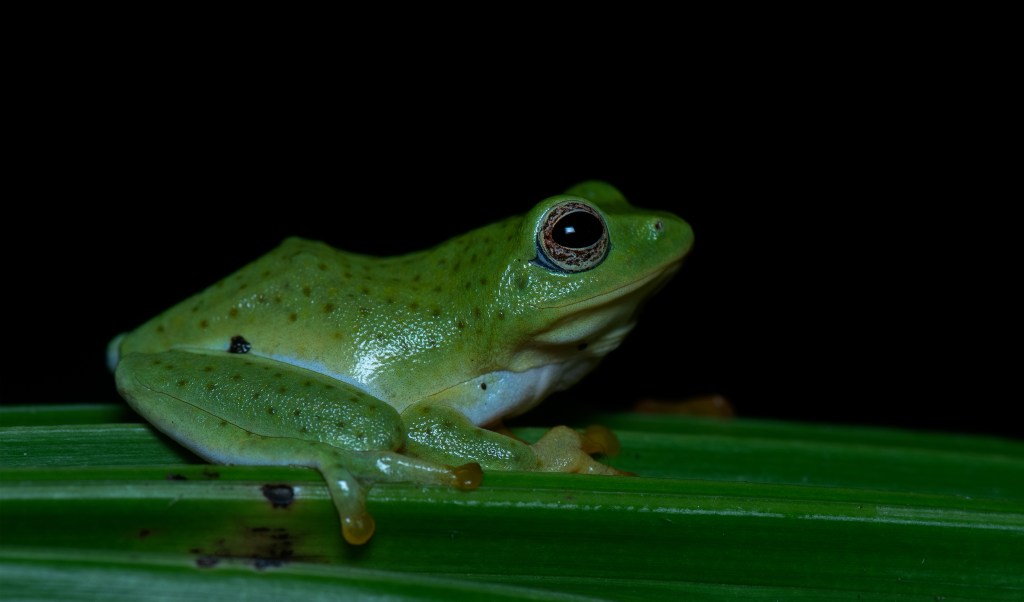

Parambikulam Tiger Reserve, which also includes the erstwhile Parambikulam Wildlife Sanctuary, is a 643.66 square kilometres (248.5 sq mi) protected area lying in Palakkad district and Thrissur district of Kerala state, South India. The Wildlife Sanctuary, which had an area of 285 square kilometres (110 sq mi) was established in part in 1973 and 1984. It is in the Sungam range of hills between the Anaimalai Hills and Nelliampathy Hills.
Agroforestry can be an object of ecotourism itself. This means that agroforestry farms (or complexes) can be converted into ecotourism destinations themselves. Yes, agroforestry can itself be a strong tourist attraction depending on what nature-based recreation features it can offer to tourists.
To know this new aspect of inclusive ecotourism read Pseudo Ecotourism.
 Pseudo Ecotourism