
From deserts I headed to wetlands. In the wetlands of Pichavaram, Bharatpur and Mangalajodi I learnt the unique stories of ecological conservation and ecosystem services that also support human wellbeing. I perceived this as nature-based solution to preserve inclusive ecotourism and discard pseudo ecotourism.
Nature-based Solutions address societal challenges through actions to protect, sustainably manage, and restore natural and modified ecosystems, benefiting people and nature at the same time.
The wetland ecotourism is a biproduct of nature-based solution provided by wetlands and also further strengthen various nature-based solutions.
Pichavaram is one of the villages of Parangipettai near Chidambaram in Cuddalore District, Tamil Nadu, India. It is located between the Vellar estuary in the north and Coleroon estuary in the south. The Vellar-Coleroon estuarine complex forms the Killai backwater and the mangroves that are permanently rooted in a few feet of water. It is located at a distance of 243 km from Chennai and 15 km from Chidambaram.
Pichavaram consists of a number of islands interspersing a vast expanse of water covered with mangrove forest. The Pichavaram mangrove Forest is one of the largest mangrove forests in India covering about 45 km2 of area (as of 2019). It is separated from the Bay of Bengal by a sand bar. The biotope consists of species like Avicennia and Rhizophora. It also supports the existence of rare varieties of economically important shells and fishes.

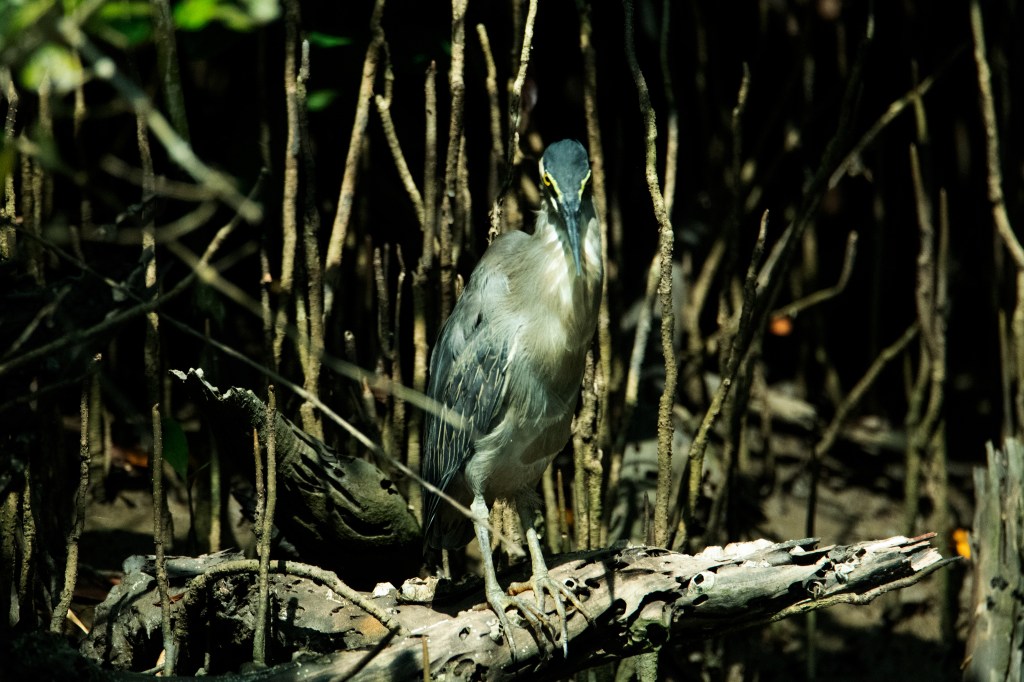
Keoladeo National Park, or Keoladeo Ghana National Park, is a national park in Rajasthan, India. The national park hosts thousands of native, resident and migratory birds, especially during the winter season, when many different species fly to the Indian subcontinent to escape winter’s wrath further north in Eurasia. At least 400 avian species have been noted or observed in the national park.
The area was developed into a duck shooting reserve in 1899 by the administrator of the Bharatpur State. Through the efforts of ornithologist Salim Ali, it became the Bharatpur Bird Sanctuary in 1956, was declared a protected sanctuary in 1971 and established as the Keoladeo National Park on 10 March 1982. Due to its exceptional avian biodiversity, it has also been declared a UNESCO World Heritage Site (1985).
Keoladeo Ghana National Park also features a human-made regulated wetland, providing a needed source of hydration for animals in this drier region of the subcontinent. The reserve also protects Bharatpur settlements from flash floods and provides ample pastures for the locals’ cattle and livestock. In the past, the region was primarily used as a waterfowl hunting ground. The 29 km2 (11 sq mi) reserve is locally known as Ghana, a natural mosaic of dry grasslands, woodlands, swamps and seasonal wetlands located just on the eastern edge of terrain that eventually becomes arid desert.
Given its rather centralised location, where the “desert-meets-the-tropics”, Keoladeo Ghana is bursting with biodiversity. Beyond the hundreds of bird species, at least 20 fish, 70 reptile and amphibian, and 50 mammalian species inhabit the area, and over 60 unique species of Lepidopterans have been seen here, in addition to the more than 1,000 invertebrate species. Nearly 400 plant species have been documented in the park.


Mangalajodi is an olden village under Tangi block in Khordha district of Odisha at the northern edge of Chilika Lake. The scenery of this village and its wetlands attracts the visitors. In 2017, this village was declared and functioning as a separate Grama Panchayat (Mangalajodi Grama Panchayat).
Mangalajodi is an olden village under Tangi block in Khordha district of Odisha at the northern edge of Chilika Lake. The scenery of this village and its wetlands attracts the visitors.[citation needed] In 2017, this village was declared and functioning as a separate Grama Panchayat (Mangalajodi Grama Panchayat).
Mangalajodi is known as “heaven” of water birds. Amongst the birds seen here Lesser Whistling-Duck, Garganey, Ruddy Shelduck, Little Grebe, Northern Shoveler, Knob-billed Duck, Gadwall, Indian Spot-billed Duck, Asian Palm-Swift, Ruddy-breasted Crake, Gray-headed Swamphen, Watercock, Baillon’s Crake, Pheasant-tailed Jacana, Bronze-winged Jacana are worth mention. Beside those birds Slaty-breasted Rail, Pacific Golden-Plover, Greater Painted-Snipe, Black-tailed Godwit, Ruff, Common Snipe, Collared Pratincole, Oriental Pratincole, Brown-headed Gull, Whiskered Tern, Little Cormorant, Yellow Bittern, Purple Heron, Cattle Egret, Osprey, White-throated Kingfisher, Pied Kingfisher, Citrine Wagtail are also seen here.
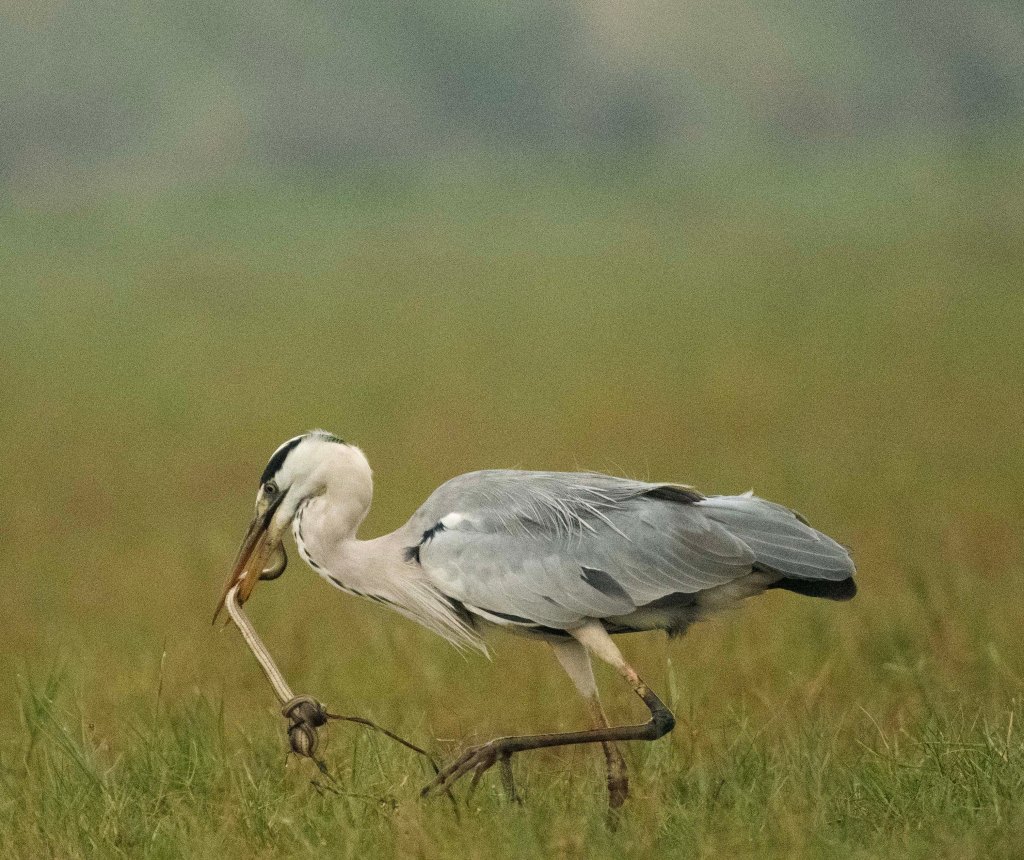
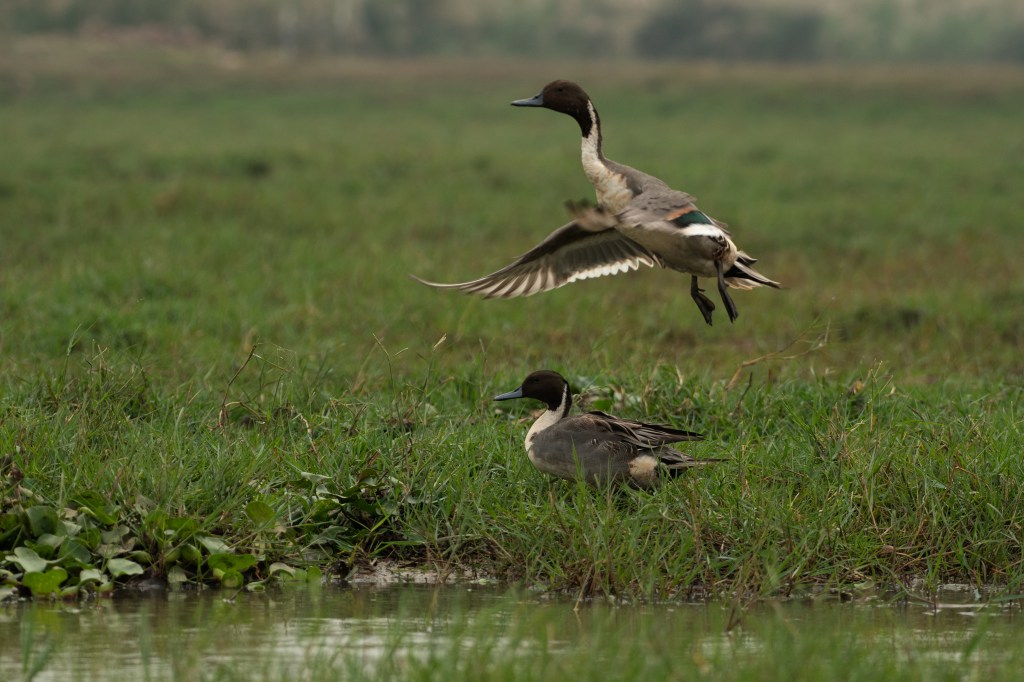
To know more about nature-based solution and wetlands ecotourism’s influence on it please read the boo Pseudo Ecotourism in the Shadow of the Bengal Tiger
The review of the book can be found in Goodreads
https://www.goodreads.com/book/show/214089550-pseudo-ecotourism
The book is available in Amazon
 Pseudo Ecotourism