In the Shadow of the Tiger : The Quest for Bengal Tiger

Part Three : From the Shadow to Light……

Explorers in 7th Heaven

The relationship between man and tiger is in existence since time immemorial. Our ancestors looked upon the tiger as a symbol of power. The tribes still worship tiger as god. Some of their deities are called Waghjai or Waghdev. In the Sundarbans, a little-known goddess Bon-biwi graces its forests. The story goes that Bonbiwi, the “lady of the jungle”, was chosen by God to protect people who worked in the Sundarbans against a greedy man-eating half sage half tiger-demon named Dakshin Rai.

Tigers were present in large numbers at the beginning of the twentieth century. They were found in almost all the forests. But since those days man has been determined to make them extinct. Looking at the large number of tigers in India, they will never perish here, is what all hunters seem to agree upon. During the rule of British Empire, tigers dwindled in a big way.

Tiger is a very sensitive animal and spotting a tiger in the forest is exciting for any nature lover. The explorers have been searching for this reclusive and enchanting animal of forest for a long time now. They were in Bandipur National Park, in the winter of 2015, when the news of killing of Gaur by a male tiger spreaded across the country and wildlife photographers and experts from all corners of the nation, rushed towards Bandipur, with a hope of sighting the killer tiger.

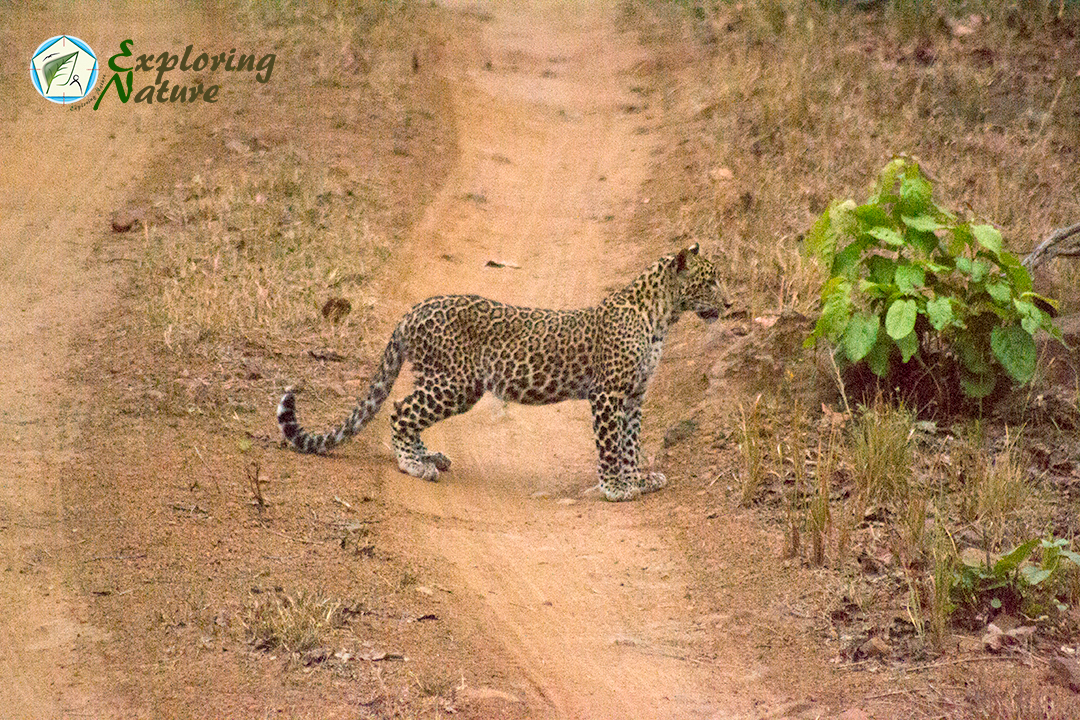
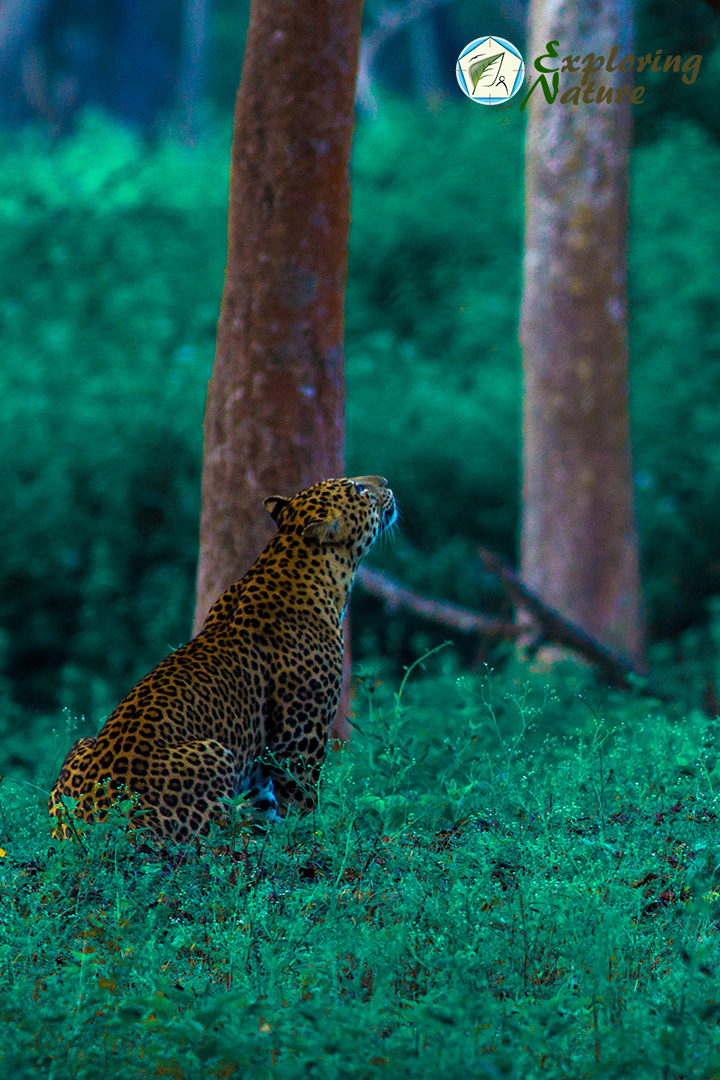
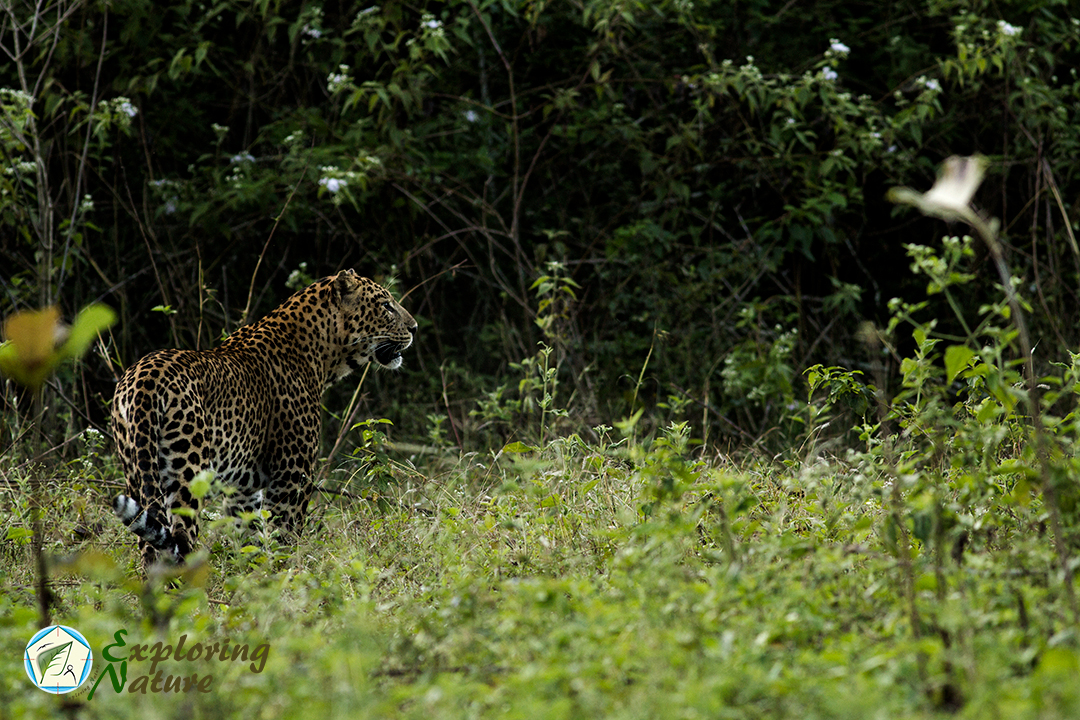
There they spotted another elusive big cat – leopard and also witnessed the rarest natural phenomena of their courtship, but no luck with Bengal Tiger.

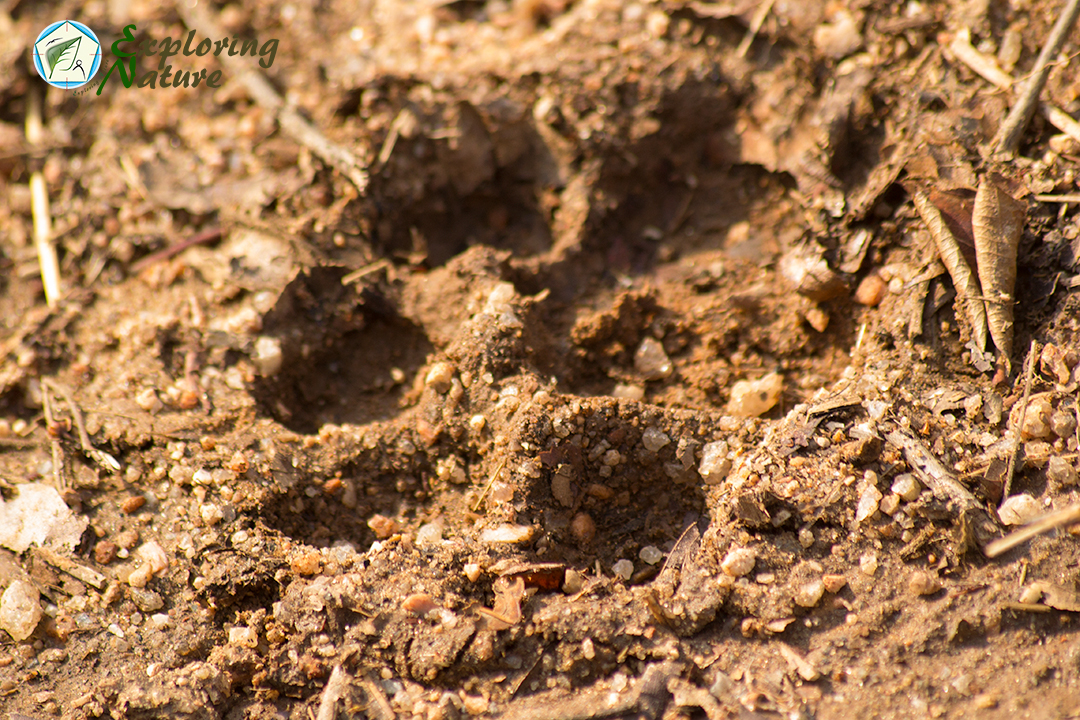
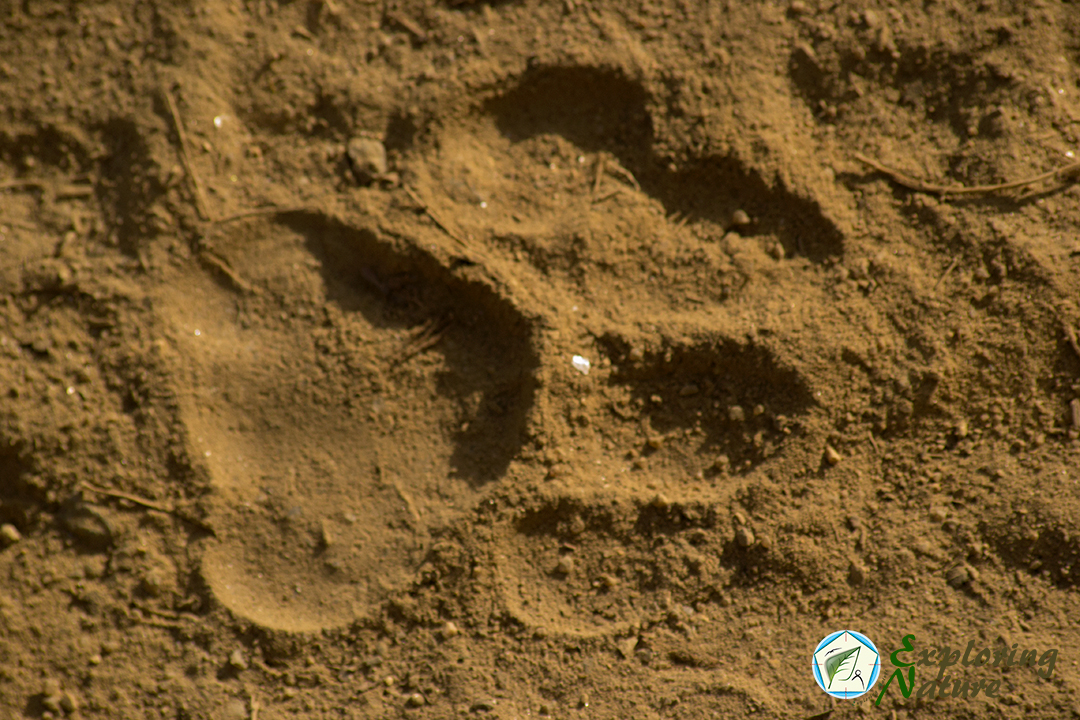
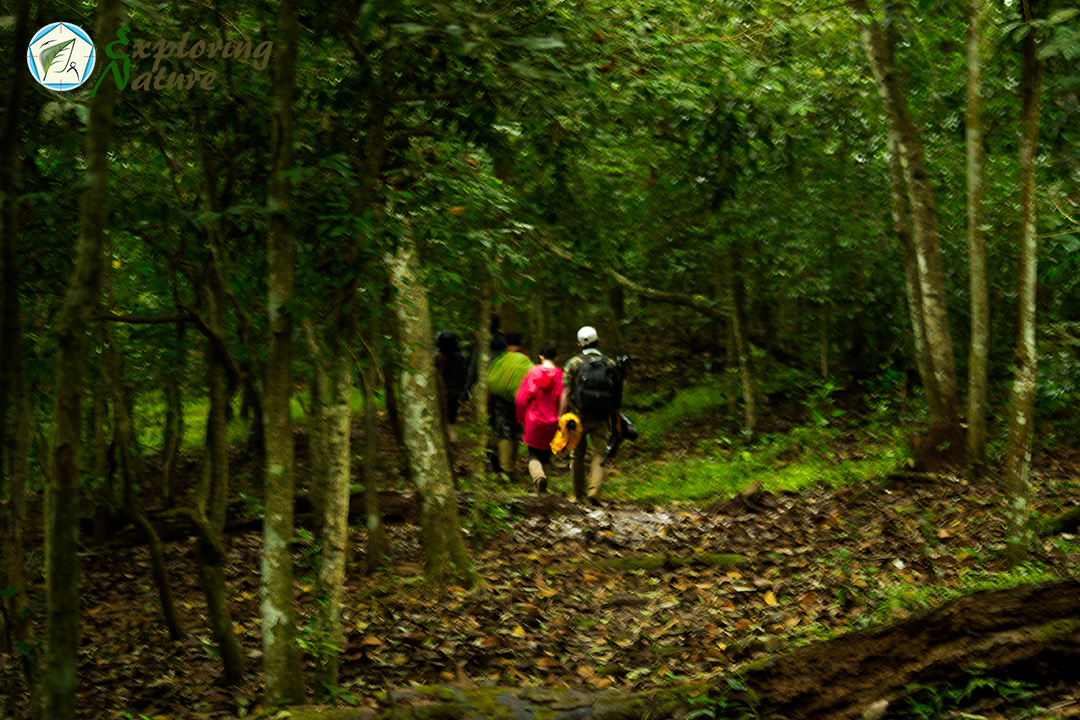
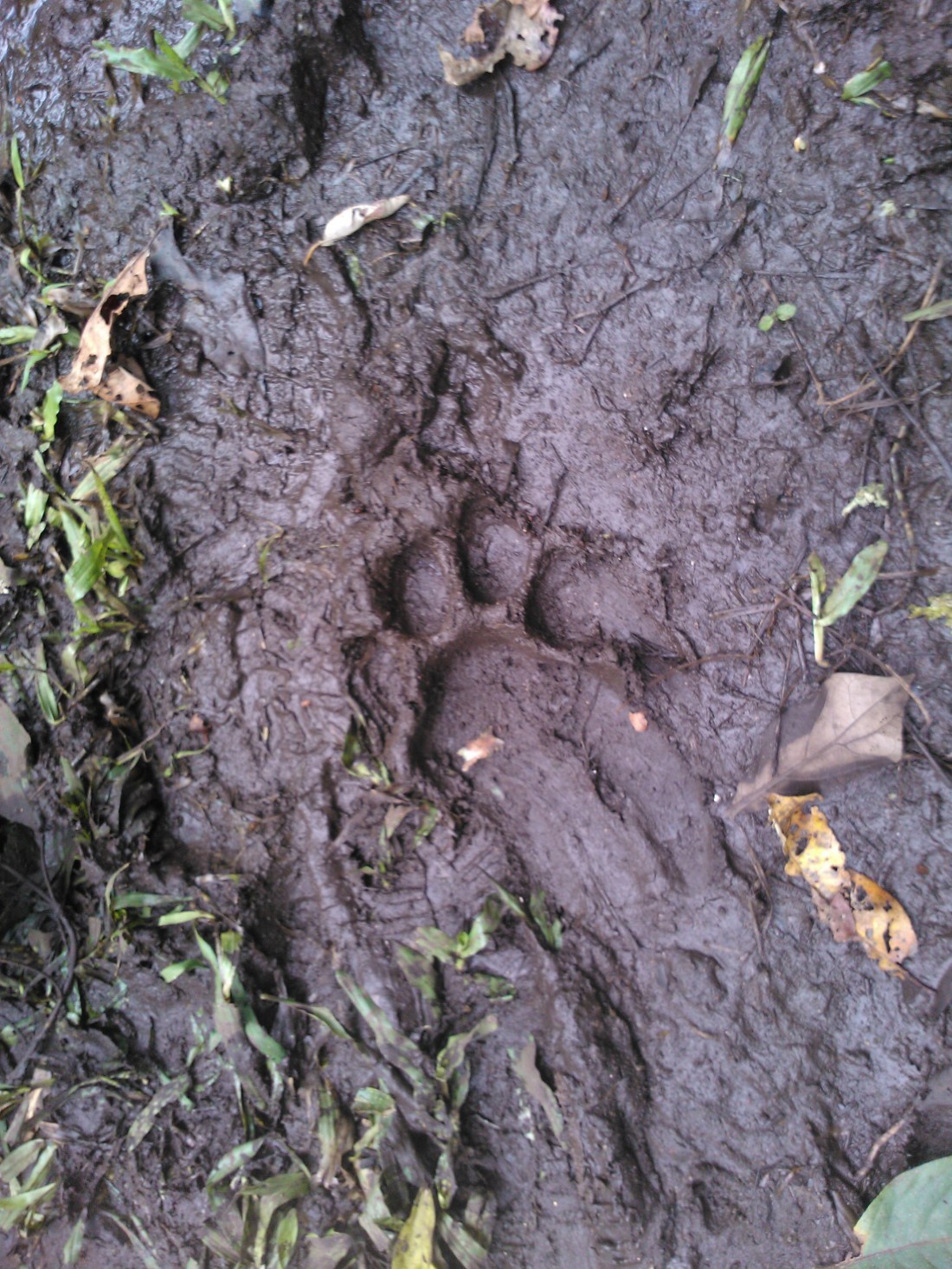
They took part in one of the most difficult forest trekking of the country – bush walk in the tiger trail of Periyar Tiger Reserve, with Forest Officials and rehabilitated poachers. They felt the presence of the beautiful beast very closely – spotted fresh pug mark of huge male tiger on the muddy trail, heard strong warning call of Sambar in the vicinity of their tents, in core area of the forest, but no sight of the animal itself.

They explored forests of central India, in the summer of 2016 – and again they were pretty close to spot the most powerful predator of Indian forests. They heard strong warning calls of Sambar, Langur, Spotted Deer, Jackal, Peafowl, and Jungle Fowl –which were indicative of big cat movements -– the kind of call which they never heard before – nothing could be more affirmative than such calls, to confirm a big cat on the move. Such calls were also corroborated by evidences of fresh pug mark on soil. But the animal didn’t reveal itself.

With several close and failed attempts, they almost decided to declare that “they don’t want to spot Bengal Tiger in forest anymore!” And, then, they launched their seventh exploration – at the beginning of New Year, 2017 – in the tiger capital of India, at the jewel of Vidarbha – Tadoba Andhari Tiger Reserve (TATR) – as their last dedicated attempt to spot Bengal Tiger in the wild.DSC_0021

Just the night before the exploration would start, Dwaipayan called Arnab and the enlightening conversation followed:
“I did some numerology!” he sounded super excited.
“What Numerology?”
“What is the number of this series of our exploration?”
“’Wagh Alaa Patil’ is the 7th Exploration of Exploring Nature.”
“How many tiger reserves we have visited so far?”
“Six already and Tadoba Andhari Tiger Reserve will be the 7th Tiger Reserve to be visited”
“And what is the number of Indian Big 7 member, we are searching for?”
“We are in search of the 7th Member of Indian Big-7, i.e. Bengal Tiger, this time….wow everything is falling in line.” – Arnab was amused to notice this symmetry.
“And it doesn’t end here” – Dwaipayan kept telling – “Explorations will start on 14th of January 2017, 14 is a multiple of 7; T-Shirt of “Tigers’ Terrain (exploration in central India)” was released on 14th of January 2016; “Tigers’ Terrain” ended on 14th of May 2016; “In the cave with Orangutan” was announced on 14th July 2016; Exploring Nature in African Safari started on 14th February 2016, therefore, 7 is a lucky number for us, something different will definitely happen this time”

That was a hilarious but interesting observation and the explorers, literally, to be on the 7th heaven this time.

On the 14th of January, at 2:30 PM they started their 7th exploration in the buffer zone of TATR through Kolara gate. This time they had a third explorer – Subhashish in the team. Spotting rare wild lives in the buffer zone was less likely and so the anticipation was not nail-biting. Guide Praveen was telling them, that, animals are generally shy in the buffer zone, as they are not used to human beings and safari jeeps. Not many tourists visit the buffer zone. Forest is sporadic and there are less colonies or herds of herbivores in this part of the forest. That also reduces the movement of predators in this part. Therefore, spotting predators is more challenging in the buffer zone than in the core area.

Praveen was actually telling them; the job of forest guides and gypsy drivers of the core area, is easier than their counter parts in the buffer area, as in the core area they know where a territorial predator can be spotted. Every predator has their defined territory in the core area. But in the buffer zone, they are always in movement, so they need to move throughout the forest to spot them.

Literally, they didn’t find even a single spotted deer, which was very unusual for them with respect to their experiences in Indian rain and dry or moist deciduous forest. The most common animal glimpsed in this type of forest is spotted deer.

However, at their surprise, they spotted a big male antelope looking at their gypsy, curious and scaDSC_0030red. Driver Ashish stopped the vehicle, so that everybody could get an opportunity to take pictures. Initially they were confused, if it was an Indian Muntjack, but later they realized that, it was one of the rare ungulates to spot in the forest – a four horned antelope or Chausingha.

At the same place, where the Chausingha was grazing, they saw one sacred grove decorated with lot of colorful scarves (dupatta used as part of dress by Indian women). Guide Praveen told them the folklore of a village woman, who was chased by a tiger in this forest. While running away, the woman threw her dupatta and the tiger pounced on the dupatta instead of her and tore it apart. The woman escaped and her life was spared. After that incident, the local villagers started worshipping that place and offered colored scarves, symbolizing protection from tiger attacks.

Generally tigers of TATR are not known for man eating; however, just two days before the exploration, reportedly one village woman was killed by a tiger. Driver Ashish told them, there were more such cases of tiger attacks on human, but not all were reported officially. TATR is a good maternity center for Bengal Tiger and number of tigers is on the rise, in good proportion. Currently there are 88 tigers in a 624 sq km forest area. Not enough space for such territorial animals. Based on news published in national print media – “For more than four years now, one person dies in tiger attacks around Tadoba every month—a frequency of conflict higher than anywhere, recorded, except the Bangladeshi Sunderbans, in recent times”. In TATR, most of these incidents took place in the buffer zone.

Their first safari ended at 6:30 PM, key species spotted were, Male Nilagai, Northern Plain Langur, Female Bison, Herds of Sambar, Male Wild Boar and 23 different species of birds.

Next day onwards, all safaris were in the core zone. The 2nd safari in the morning of 15th January, started at 6:00 AM. Subhasish could not join, as his entry permit was not ready, so it was the duo Dwaipayan and Arnab. The early morning was dark and freezing cold, temperature was around 7-8OC. In the open top moving gypsy, in the core area of TATR forest, the chilling wind was piercing their bodies. Guide Eknath and driver Nikhil were hopeful and enthusiasts for tiger sightings, as in the previous evening, a tigress with her cubs were spotted near Panderpouni water hole. The Explorers were familiar with the kind of enthusiasms from the forest guides, which eventually yielded nothing in all previous cases. So, they were not as cheerful as their fellow forest mates. On top of that, they were struggling to keep their fingers on camera shutters in that biting cold. Gradually the light was improving; accordingly, explorers were adjusting exposure and ISO setting of cameras. At around 6:45 AM, strong call of a spotted deer was heard from the North East direction of their movement.

The call did not excite them, as warning call of spotted deer can hardly be trusted.

“Wild Boars are running away” – Both Eknath and Dwaipayan whispered at the same time.

“Similar situation we witnessed in Kanha, near Munna’s den” – Arnab, was not optimistic enough.

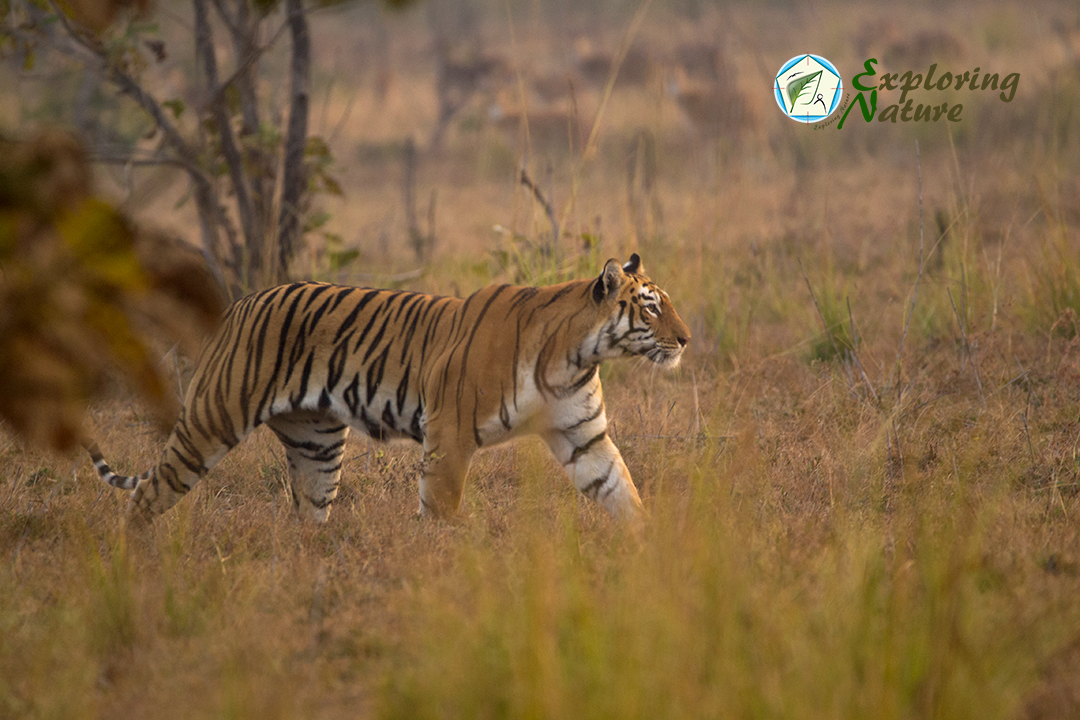
An entire herd of spotted deer and two wild boars were found running away to opposite direction. Eknath asked Nikhil to turn around the vehicleDSC_0005 and move towards water body number 01, where a forest department watch tower was stationed. Skilled gypsy driver Nikhil, parked the vehicle diagonally opposite to the watch tower and in few seconds, B3 aka Maya, the queen of TATR appeared through bushes. She was moving slowly towards a herd of spotted deer, she was waiting for a kill. The spotted deer was giving warning call furiously.
Arnab looked at his watch – it was exactly 7:00 AM!

Tiger Tales
DSC_0006
The life of the tiger is entwined with the forest. His color, built, size, and habitats are all attuned to that particular forest. A tiger moves around the forest like a predator. A predator has to be superior to its prey, or else it will be difficult for him to survive. Whether it’s a deer, an antelope or a bison, the tiger has to employ both devious and robust tactics to dishearten the prey. Nature has bestowed upon tiger all the requisites to be a good hunter. He almost seems like a destructive hunting machine. The tiger is the supreme hunter of the forest. There is no animal in the forest that hunts the tiger for meal; an almost every animal can be a tiger’s prey. So the forests are filled with the terror of the tiger, and celebrated tigress of TATR, Maya’s movement in front of the explorers, in her territory at Panderpouni, was depicting all these features. She was hungry and stalking the herd of spotted deer. The explorers watched her movement for one hour before she disappeared into thick forest.

Maya grew up as part of a recognized and noticeable family, by the Telia lake, with three other siblings, two boisterous sisters and a very shy brother. Maya was the most rowdy and gregarious one in her family and till today reigns in the area. After the NTCA directive, Tadoba has cut down on many routes which resulted in overcrowding of vehicles in Maya’s territory at Pandharpaoni. Currently, the entire Kolsa range has been kept inviolate as all the premium routes like Kakadghat, Shivanzari, Kuoni, Suklibodi Lake and Yenbodi have been closed for tourism. Besides, the route between Moharli-Kolsa has also been shut. Only village roads from Pangdi and Zari to Kolsa and Rantalodi are open for tourists. Moreover, in Tadoba range, Vasant Bhandara-Katezari-Kala Amba-Ambe Paat route has also been closed. Hence, the other popular tigers like Namdeo, Gabbar, Pandu are not being sighted. Jamni’s ‘Chhoti Tara’ has left for a secluded spot as she is busy nursing her new borns, while ‘Sonam’ of Telia and her cubs are not regularly sighted. Hence, tourists make a beeline for Maya.

When Maya was spotted for the first time, through apertures of trees and the watch tower, the explorers held their breath for a while and for the next few minutes they remained awestruck, in disbelief, that, finally lady luck favored them. They were unaware what was happening around them for the next half an hour, their eyes laid on view finders of the cameras, left hand occupying and adjusting lenses and index finger of right hand was restless pressing the shutters. They could not notice anything but the beautiful creature; they didn’t hear anything but the sound of shutters. Beyond Maya, space-time continuum was standstill. The spectators were hypnotized by her “Maya”, magic spell.

After Maya’s disappearance into dense forest, water hens in the water hole number 1 were clicked. Shortly after, Eknath and Nikhil moved their gypsy towards Tadoba lake via Jamni, with a hope to encounter Choti Tara and her cubs. But fate didn’t approve in the next two and half hours of combing through the forest.

While passing through the Tadoba lake, Nikhil stopped his gypsy again and Eknath exclaimed “Tiger”!

DSC_0075The very word tiger evokes an image of courage and cruelty, and inspires awe. A huge male tiger T54 aka Matkasur was spotted near Tadoba Lake at 9:30 AM, a living image of that vigor and ferocity. He was moving along the lake-shore, pausing intermittently and looking at the water. A huge marsh crocodile was basking on the bank. Matkasur tried to attack it, and the explorers heard a large noise of water splash, the crocodile jumped into water to save its life. After that, the mighty Matkasur kept walking again along the brink of the lake and en route, he was halting and smelling tree trunks. Tigers practice it to identify smell of his or any previous tiger’s urine to identify their territory. After 15-20 minutes of walk, the explorers followed him in gypsy; he crossed the road in front of them and vanished into the other side of the forest.

The safari ended at 10:30 AM and other key species identified were Bronze Winged Jacana, Pied Bush Chat and few birds of prey like Oriental Honey Buzzard, White Eyed Buzzard and Changeable Hawk Eagle. While exiting forest, they found another eluding, nocturnal animal, a Tree Shrew and before reaching their base camp at Chimur, one venomous Russel’s Viper snake was spotted sprawling near a paddy field.

The explorers began their third safari on the same day, between 2:15 and 6:30 PM. Pug mark of female tiger and cub were noticed at around 4:00 PM. But the animals were nowhere to be found.

The 4th Safari started on 16th January, at 6:15 AM and ended at 10:30 AM. The forest was very quiet on that day, with no indication of any big cat movement, which reminded Arnab about the experiences in the forest of Pench and Kanha in last summer. Subhashis missed the drama on previous day and was hopeful of big cat sightings. But so far the situation was disappointing.

At around 8:30 AM, pug marks of Leopard and Jungle Cat was found on the way towards Navengaon area. Around 10:00 AM near Panderpouni area, mild warning calls of Sambar and spotted deer was heard. The explorers interpreted the calls to be Maya and her cubs movements from one side of their territory to other.
DSC_0103
On their return, the gypsy driver Nikhil was briefing on the tiger community of TATR. He was stating the conflict between Maya and Matkasur. Matkasur wanted Maya’s surrender but the cubs were a hindrance to that. Once Matkasur attacked her cubs, Maya and her sons defeated him, fighting all together. Maya’s cubs were borne by another male tiger Gabbar (also known as Leopard face) aka Sher Khan aka Ma7 (TAD), who was once the undisputed king of TATR. After the rise of Matkasur, the conflict between Gabbar and Matkasur was inevitable. Recent fight was reported at water body number 97, probably over Maya. Another tigress Choti Tara is incognito in the forest nowadays, as she has young cubs to protect and feed. However, cubs of Choti Tara were borne by Matkasur. Maya had three cubs with Gabbar, out of that one male and one female were separated from her, because of frequent attacks by Matkasur. Now the parted male cub cannot come back to Maya as his brother has grown up and would not allow him to come close to her mother. However, he would not have any problem with her once isolated sister to come back, as he would require a mating partner soon.

All these stories suggest that Maya aka B3’s sub adult cub has all the potential to give a good run for the money to all contemporary male tigers of TATR, over right of the territory.

The Road Show

The 5th Safari started at 2:30 PM of 16th January and that was the last safari for the explorers through Kolara gate. After that, their plan was to move towards Moharli gate which would be around 40 km from their current base location. Three explorers with guide Dilip and driver Vinod started towards North-West direction. Afternoon in the forest of TATR was quite bright and warm with approximately 30-35 O C temperature. After 30 minutes of driving, pug mark of female with cubs were spotted. They started following the pug mark which lingered into South East direction. Fresh pug mark of sloth bear was spotted along the way. After few kilometers of driving, they moved again into North-West direction, and pug mark of male tiger was observed, along with mild call of Sambar. Their previous guide Eknath was in another gypsy ahead of them, he signaled to move towards water body number 79, close to Nawachila.

The explorers, along with 6 other gypsies, stopped in front of water body 79 at Nawachila. They waited there for 15 minutes, but no indication of any movement was sensed. The call stopped long time back. One after another, gypsies left that place, tourists who regarded forest as a zoological park, lost patience in no time.

However, Dilip and Vinod decided not to move at all. If there was any possibility of sighting a tiger at all, under the circumstances, it was there in that particular spot. The logic was simple, fresh pug mark followed the route and faded near the bushes, on the side of the forest path. The tiger moves as stealthily as a shadow. It is difficult to believe that, this animal, weighing 150-250 kg, can walk in utter silence. The tiger’s paws are padded. So, their foothills are cushioned while walking, and dry leaves or twigs don’t crackle under his foot. But as their paws are padded, they don’t prefer to walk in thorny undergrowth. The tigers roam the paths in the forests and also the roads. Therefore, there was strong a chance that, a male tiger whose pug mark they followed, had a temporary hideout in the undergrowth alongside the forest path and he would come out at some point of time. However, nobody knew for sure, might be after dusk, might not before tourists leave the forest at the closing hour of safari, defined by forest department.

After waiting there for 45 more minutes, at around 3:45 PM, Arnab muttered, “Langur’s call!”

Dilip nodded his head in agreement; langur’s call was heard twice. Vinod moved the gypsy little further towards North-West direction, from where the call was coming.

Arnab cried again, “Stop, stop!”

Around 5-6 langurs were found at a tree top – restless and giving warning calls gazing underneath, inside the forest; as frequent as five times. Dilip advised to go back to the original place, and wait there. Dwaipayan assured, “Definitely there is a tiger, and there is no doubt about it, only it’s a matter of time when it will come out in clear!”

Vinod parked the vehicle again in front of water body number 79. Next 15 minutes was plain waiting, in apprehension, realigning position of cameras, checking and readjusting camera settings anticipating from where the tiger could come out and what should be the light setting requirements of that area.

“Alarm call again!” yelled Dwaipayan and Dilip almost at the same time. A spotted deer was bellowing ceaselessly, in life and death situation and the call was coming from not more than 500 meters of distance from their gypsy.

It was confirmed; as the forest proclaimed to each and every living and non-living beings in the wilderness of TATR, the terror of TATR, the most dreaded predator of any Indian forest, manifested in close proximity.

Other gypsies were coming back one by one; everybody in forest heard that call.
DSC_0012_1
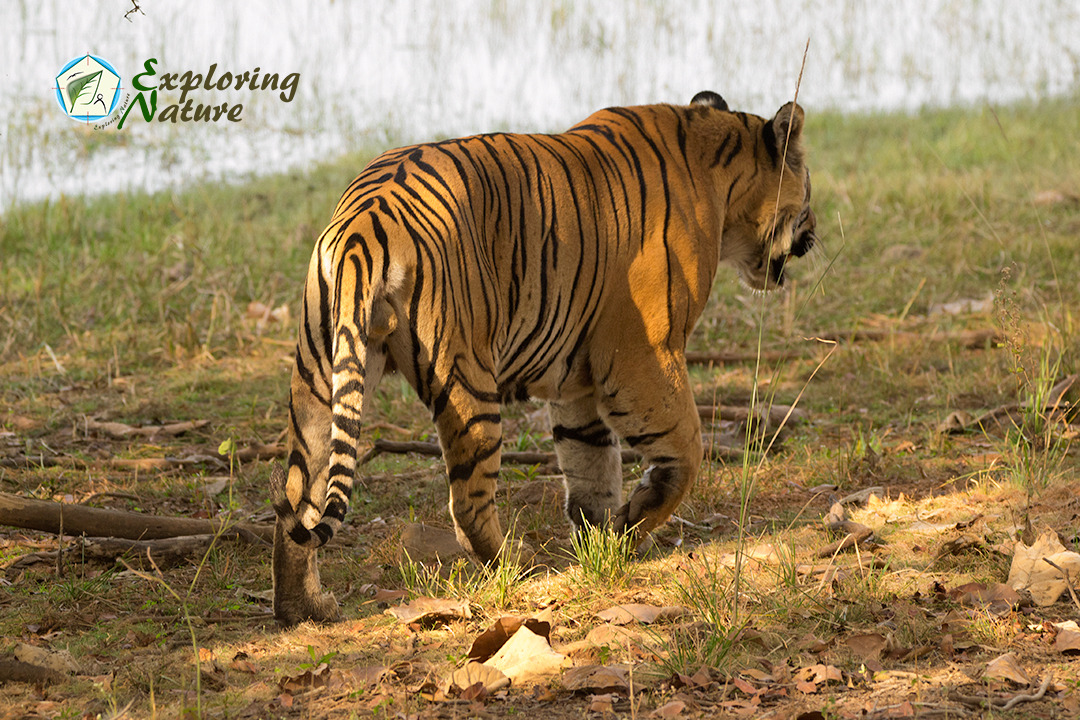
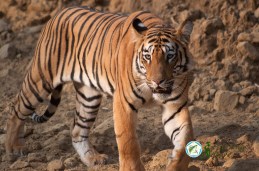
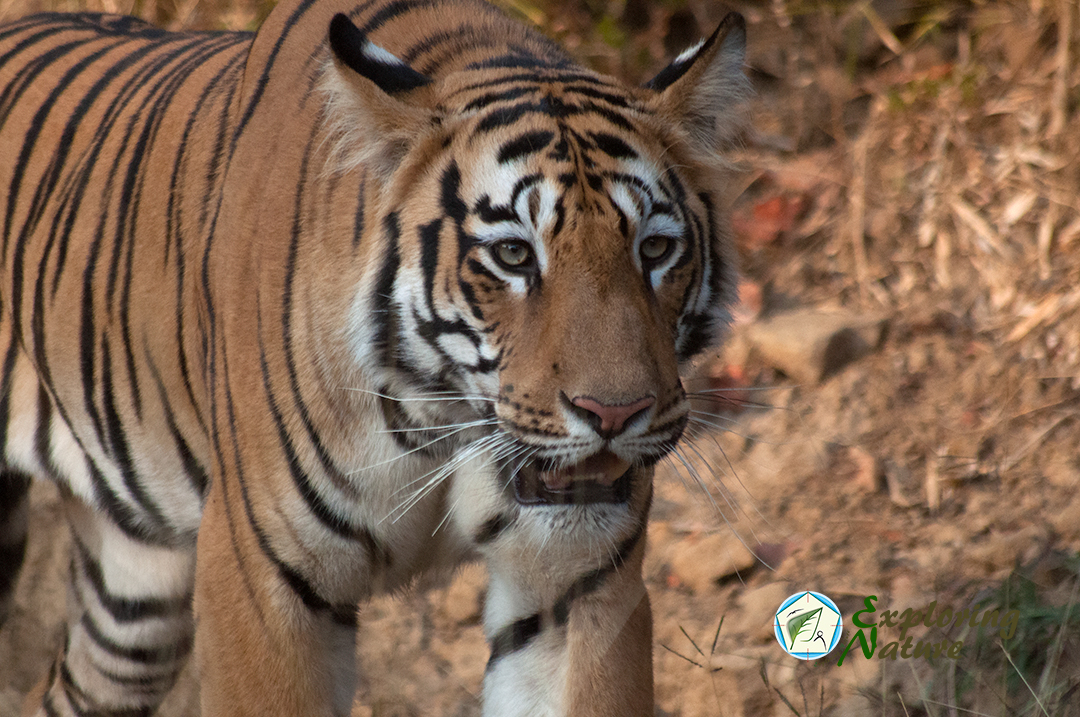
At around 4:00 PM, one sub adult male tiger appeared near water body number 79, at Nawachila. He was the male descendent of B3 aka Maya. The explorers’ gypsy was at the nearest within 200 meters from the fascinating creature.

The explorers froze at the juncture, with their eyes on the view finder, bodies bent over side railing of the gypsy, left hands on lenses, placed carefully on bin bags and index fingers of right hand didn’t know how to stop pressing the shutter.
DSC_0022
What they saw through the view finders, was a proportionate long body, silent foothills, long back stripes on brownish-orange or tawny coat body, round head – coming closer and closer. With his every sturdy step, he was exuding the message loud and clear – why every animal in the forest should be terrified of him. Through the view finder it seemed, the head was growing bigger and he was approaching right towards them, conquering distances, from 200 meters to 100 meters to 50 meters. His bright yellowish eyes were fixated on them, sending chills down the spine, causing stress on the nervous systems. Was that the time to throw away cameras and scream for life?

No way! That was the rarest moment of life, probably would never come again!

They could not remove their eyes from the view finder or their right index fingers from the shutter. That was the moment they were yearning for such a long time, since winter of 2015, since Nagarhole and Bandipur.
DSC_0036_2
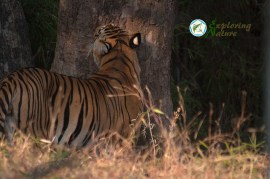
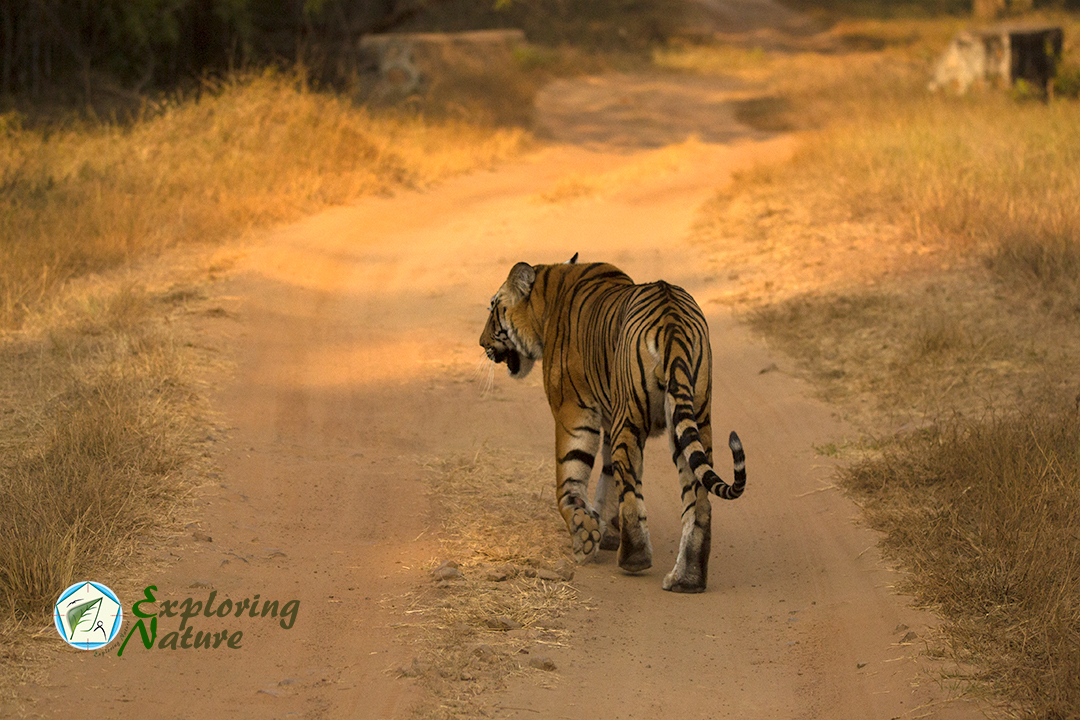
He started moving towards the course of South-East, sniffing everything around him. He had the requisite to smell urine spread by him or any other previous tigers, to identify the safe territory, he was a cub after all, an adolescent cub who was learning how to live life in the forest without his mother’s protection. Then he needed to spread urine furthermore, to mark the territory and kept walking on the forest path in the same direction. All the gypsies (by that time there were around 50 gypsies gathered, if not more) started following him.
DSC_0073
The road show continued for around 10 minutes, before he became invisible in the deep forest. In last 5 minutes, explorers shut their cameras, and enjoyed the whole exhibit through their naked eyes, rather than the view finders of their cameras.

Natural phenomena are enjoyed best by natural tools.

That was Bhola, the sub adult cub of B3 aka Maya. For most of the forest guides and gypsy drivers, that very evening was the first moment of seeing him alone, travelling out of his territory and moving from one corner of forest to other.

After 15 days of these explorations, Dwaipayan received news from his special source, that Bhola had a fight with T54 aka Matkasur near Panderpouni, resulting in his defeat and eventual expulsion.

Probably, very soon, whole of TATR will witness a coronation ceremony of their new crown prince.

On 17th January, in the morning, the explorers left for Moharli gate and reached at MTDC resort by afternoon. They didn’t have any safari planned for that day, therefore in the evening; they decided to go near the entry gate of the core area of the forest to replenish their rations. The idea was to walk around 2 kms from the MTDC resort to the Moharli gate at around 7:00 PM. However, at the last minute, they changed their plan and booked a cab to go to Chandrapur town, which was 35 kms away from the resort. The road between MTDC resort and Chandrapur passes through the forest area of Tadoba. On their way, they found a Palm Civet on the side of the road, and again at around 9:30 PM, on their way back. Driver Palash informed them about his countless exposures with Leopards while driving through this road, and the incidents of Leopards attacking local villagers. The tale of a man eating Leopard, killing 5-6 villagers, before it was caught by forest department and sent to rescue center, was particularly haunting.

Then he mentioned something, which left the explorers shivering. On that evening, when he was on his way to pick up the explorers, caught a glimpse of a Leopard near MTDC resort, and that was not an unfamiliar occurrence for him. The explorers were hesitant, their initial idea of walking 2 km to go to the entry gate of the forest from MTDC resort at 7:00 PM, was certainly not wise and they were saved by the bell.

The 6th Safari and the first one from Moharli gate of TATR undertook at 6:30 AM, they started off South, reached Aswalhira and then Telia lake, which was known for M6 (TAD) aka Sonam’s area. Sonam was residing there with her adolescent cubs. After one and half hour of driving through the forest, they started moving towards North and at around 8:45 AM reached Jamni lake. There were strong calls of spotted deer, but the Safari ended at 10:00 AM without a glance of any big cat.
_MG_9873

Photo courtesy: Dwaipayan Ghosh

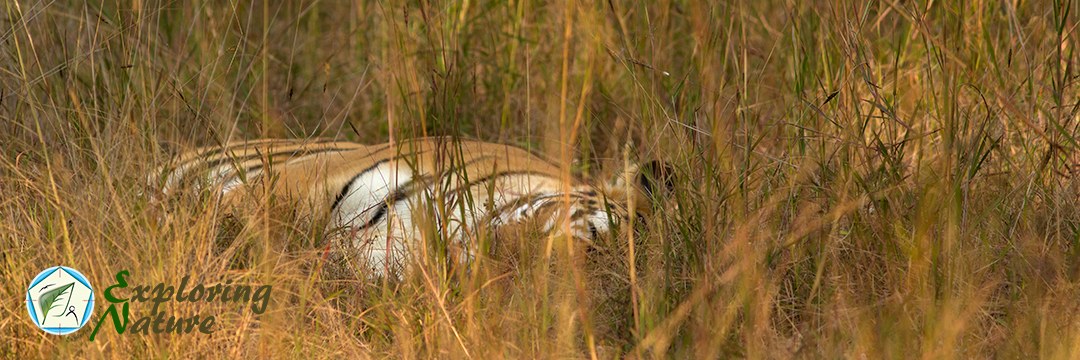
The afternoon safari started at 2:00 PM, towards South again and after crossing Telia Lake, they reached near Jamunbudi. Already 5-6 gypsies were waiting there. Apparently, warning call was heard from the other side of the lake. They waited there for about 30 minutes. One Ruddy Mongoose was spotted multiple times, running here and there; searching for food, gave good photo opportunities for the explorers. After that they started moving towards East and fresh pug marks of female tiger was spotted. After driving 1-2 kms further, they stopped after seeing couple of gypsies waiting there on the forest path at Ayanbodi area. Apparently B3 (Maya) was sleeping in the bushes and people were waiting there with a hope of her spectacle. The anticipation was that, she would wake up in a while and come out of the bush to give a road show.

Gypsies started queuing there and in no time, there were at least 30 gypsies, from all six gates, hopeful to see the celebrity tigress of TATR. As usual, there were huge speculations among all kinds of visitors, likely the “zoological park type”; “selfie type”; “DSLR type”; “so-called forest and wild life experts”; and the forest guides; gypsy drivers – on what route she would follow to give the “road show”. Every time she was moving her head or shaking her hinge legs, swaying her tail tip to keep away flies – the excitement was getting multiplied.

DSC_0024_1
After one and half hours of suspense, Maya woke up and quickly dissipated deep inside the forest.

Such an anti-climax! The jungle is where the silence is profound, lend a keen ear and one can listen to the quietude. One would be ignorant to think, he can witness the mysteries of the jungle unfolding in just couple of hours of a jeep safari. The involvement of Edward James Corbett or Kenneth Anderson with India’s wild was long and persistent, which lasted for decades.

Disappearance

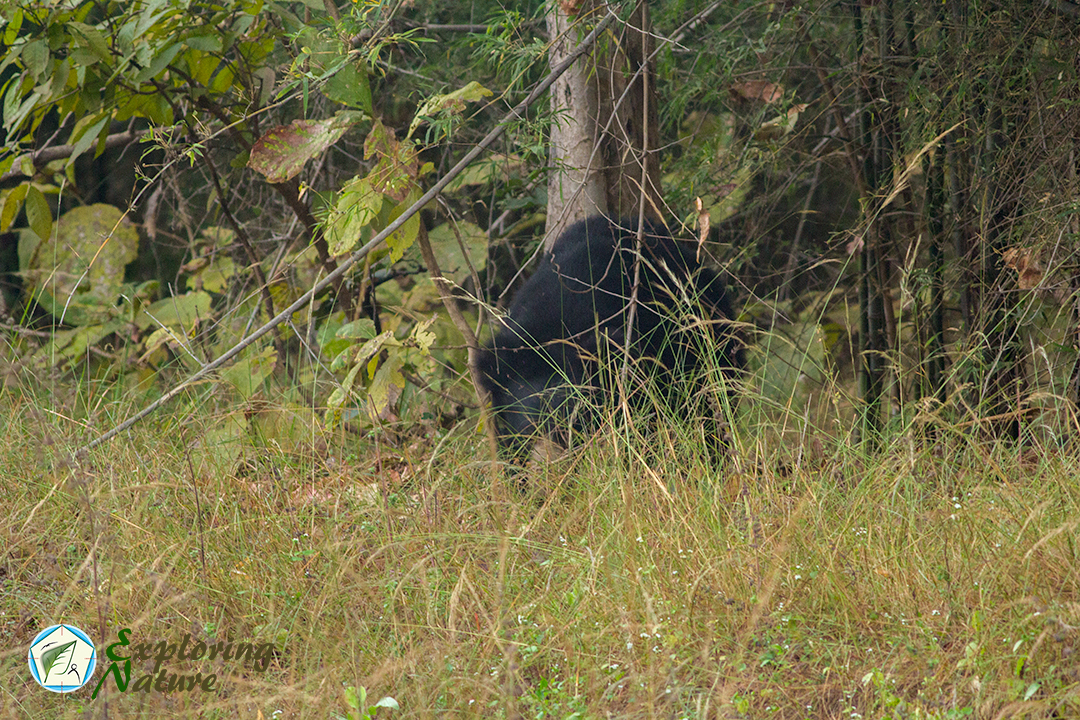
The 8th safari started on usual time, at 6:30 AM, towards West, on the way to Telia. On their way, one male sloth bear was spotted grazing. After realizing human invasion, he hid himself into the camouflage of the forest. However, the crackling sound of movements of heavy paws on twigs and undergrowth were still audible. They waited there for some time. The sloth bear came out after 5-10 minutes briefly and dwindled inside the thick bushes.
 

_MG_9888

Photo courtesy: Dwaipayan Ghosh

Guide Sanjay suggested, the bear ought to cross the path, but could not, because of human interference. They decided to wait for few more minutes to ensure his unimpeded passage. Driver Kankesh parked the vehicle at a safe distance from his anticipated route. They waited there for another 45 minutes. But the bear didn’t come out in the open and early morning light did not suffice to take snaps.

Meanwhile, strong call was ascertained from Jamni water body. When they arrived at Jamni, already few Gypsies assembled there and reportedly, Choti Tara just crossed the forest path, 2 minutes before. The spotted deer were still giving call. The explorers decided to wait there and were all ears to Sanjay’s story on “False mating”. In September, 2016, Maya was seen mating with Gabbar, Sanjay voiced, Maya was bold enough to engage in such strategic “False Mating”.

“False mating” is a mother’s desperate measures to confuse all the male tigers in the forest, in order to save her cubs. Normally one male tiger does not kill his own cubs, but he maneuvers to eliminate other contender’s genes. When a female tiger copulates with multiple male tigers, all her pairs in the forest think, her cubs are actually their offspring and let them to thrive.

Some local naturalists think that, Maya’s behavior is actually evidence of a crafty new strategy to safeguard her cubs’ survival: “false mating” exists among many mammals—including bears, lions and bottlenose dolphins—male tigers kill the cubs of their rivals whenever they can, so as to precipitate a new estrus cycle and impregnate the tigress with their own offspring. Tiger moms typically seek to protect their cubs from such a fate for 18 to 24 months, before pushing them out to establish their own territories. (Tiger fathers have no role in raising the young, so no help there.). But the crowded conditions in Tadoba and other Indian national parks are making that increasingly difficult. The ranges of several roving rivals frequently overlap with the dominant males, bringing danger precariously close to vulnerable cubs.

According to Bilal Habib, a carnivore researcher at the Wildlife Institute of India, “In high-density areas, where there are more males, the best strategy for a female is to try to leave the cubs early, go with the males, and then go back and look for her litter again,” Habib explains. “A brawl with a male might turn out to be lethal for her and the cubs.”

The name “false mating”—which occurs among lions and other species—is a little misleading. It refers to actual sex, just not at the time when a female is able to conceive. (Typically, female tigers go into estrus once every three to nine weeks, and are most likely to conceive during three to six days within that period). Habib’s theory is that, Maya deceived the roving male tigers to placate them and perhaps to make them think, they have successfully impregnated her.

Afterwards, she could return back to her cubs, leaving the appeased males none the wiser.

Explorers waited there for another 2 hours, and there was no indication of any big cat movement, eventually they left the forest to end that safari at 10:30 AM.
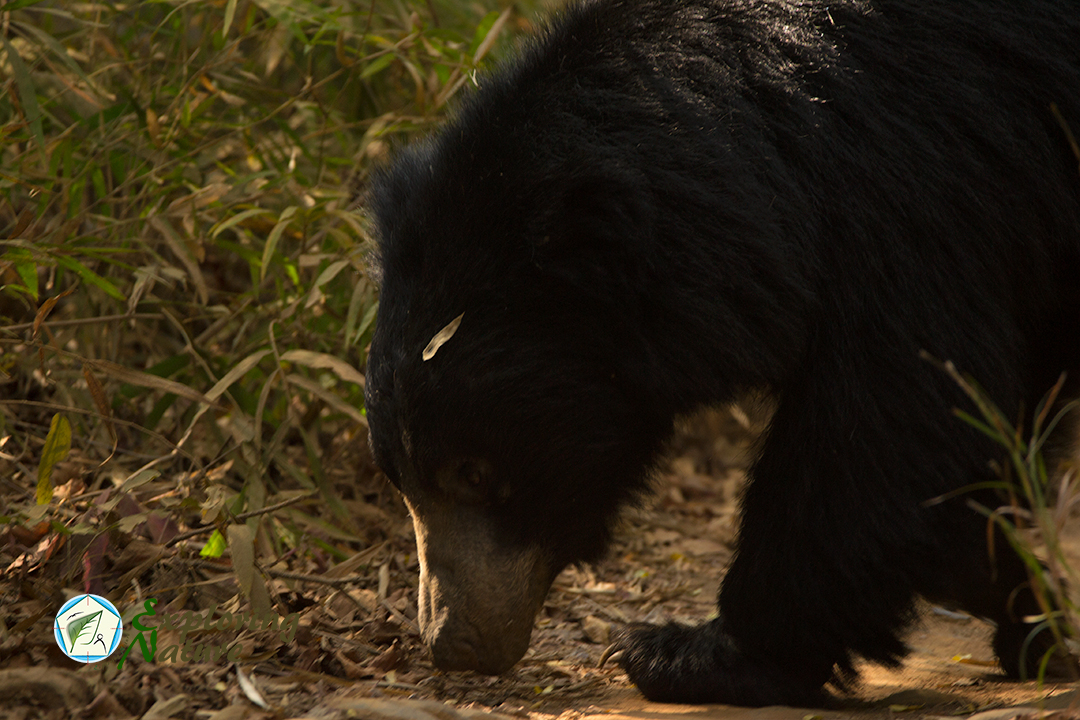
DSC_0020_1The 9th safari started in afternoon at 2:30 PM and the explorers kick-started towards Jamni lake. On the way, another male sloth bear was glimpsed. Immediately after seeing the gypsy, he concealed himself into the dense woods. The explorers started tracking him by the forest path of Aswalhira, covered by heavy bamboo trees and they spotted him again. This time the bear was within 100 meters from their gypsy. He crossed the path and hid inside thick vegetation again.

After that not so “sloth”, rather “busy” moments with the bear, the explorers travelled upto Jamni lake, then Tadoba lake, Panderpouni and finally Telia. News emerged that, M6 (TAD) aka Sonam, an adult female tiger was spotted with her sub adult cubs. Already two gypsies were waiting there, and the guide from one of the gypsies asserted them, “Sonam is there, sitting in the grass land”.

_MG_9911

Photo courtesy: Dwaipayan Ghosh

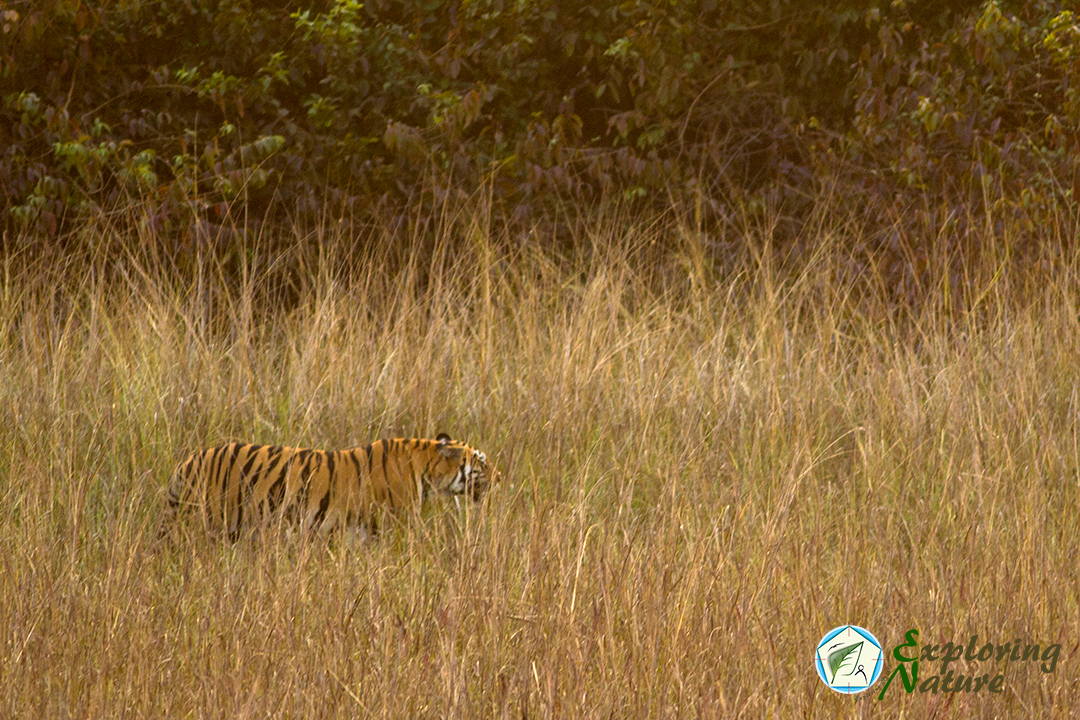
The grassland of Telia zone is absolutely thick and an ideal hide out for tigers. With little or no effort, the dark stripes on pale fur, breaking up an outline of long slender body, lying in the grassland and well camouflaged – was spotted – the white spots behind the black ears – a characteristic mark of tigers – were also noticed. The presence of the beast was conspicuous, resting in that grass land, but was not obvious, how many of them, one or could be more, an adult or with cubs.
_MG_9927

Photo courtesy: Dwaipayan Ghosh

The tiger stood up and started moving, now it was clearly visible even with bare eyes. Sanjay confirmed the striking four-legged to be Sonam. Sonam is part of the famous litter of four very illustrious female cubs, brought up by Madhuri in the Telia Lake area, overseen by their caring father Scarface. She has an S shape mark on her right neck which is noticed easily, but through thick grasses the explorers could not discern that.

Sonam became invisible again in the grasses and the explorers moved towards the fire line, with the hope that she would come out from there. They waited there from 5:00 PM to 6:00 PM, but she was not seen further.

They ended the safari there, and while coming out of the forest found one male barking deer crossing the path in front of their gypsy. The last safari of this series was in the morning of 20th January. They set another goal to spot Sonam and travelled towards Jamni lake and waited there for 2 hours. There were sporadic calls of peafowl, spotted deer and jungle fowl on seeing of tiger. When the tiger is idle, the calling animals stop at a place and signal. When the alarm call redirects from different places, it implies that the tiger is on the move. Taking into account the motion of the calling animal, the direction the petrified animal signifies, it is easy to trail the movements of the tiger. Birds and animals alert everybody in the forest precisely, if there is a spectre of a tiger. Sometimes, human intrusions alarm Langur and Sambar, but once they recognize human beings, they cease their calls.

However, 2 hours of waiting didn’t yield much result and they moved towards Telia lake, but in vain!

They concluded their safari at 10:30 AM and retreated to MTDC resort to culminate the series.

End of Story till next Exploration:

The explorations of “Wagh Alaa Patil” discontinued there. While returning to the comforts of their homes, the explorers were reminiscing about all the phenomena of the forest in the last week and the wisdom they are imbibed with. Especially, the story of Roshan who owns a souvenir shop near Kolara gate of TATR. Once, he worked as a tour guide and also with forest guards for tree cutting contracts. He used to go inside the forest with daily wage workers from local villages. Once he was attacked by Kankrajhuri Male, a famous male tiger of the buffer zone of TATR. To save his life he climbed up a
tree and injured himself. Thankfully, he was rescued by the forest guards. After that incident, Roshan was traumatized and decided to cease operating in the forest and thus, the souvenir shop.

Roshan enlightened us; Kankrajhuri male generally roams in the buffer zone, where he is seldom defied by human. The tigers in the buffer zone are more inclined to attack humans, as there is a scarcity of prey and minimal exposure to mankind.
Definitely the number of tigers is increasing in this so called “maternity center” of Bengal Tiger in Indian Forests. But the state of congestion in tiger population, throws TATR at the risk of aggravating inter and intra species conflict.

The whole series would be memorable for the explorers, as acquiring knowledge on the behavioral patterns of Bengal Tigers, the altering traits of tigers in the buffer and core zone; the effect of space on deriving new survival strategy for female and her cubs. They also learnt the significance of understanding such familiarities, to trace those reclusive creatures of Mother Nature.

The explorers endeavored to capture all their experiences in this report and to promote the biodiversity culture and awareness among common people; and the explorers of Exploring Nature will continue to do so.

Till the next exploration bring us together, adieus!
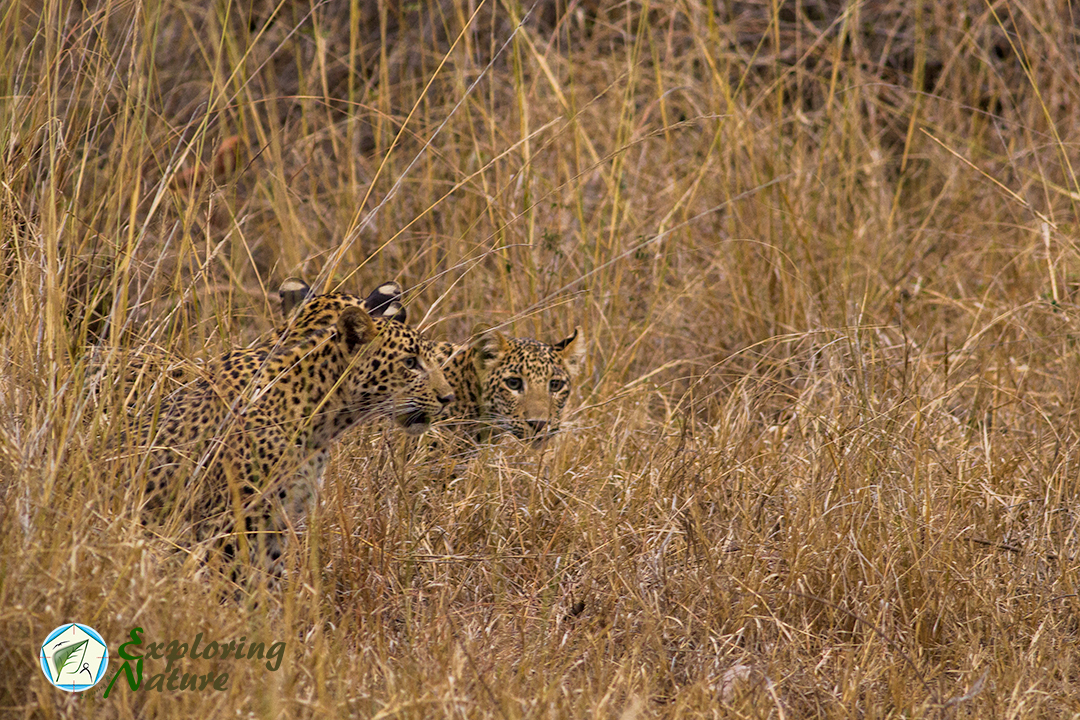
In the Shadow of the Tiger : The Quest for Bengal Tiger

Part Two : …….Still in the Shadow of the Tiger

After “Hiking in Highlands” in forest of Western Ghats (comprising Nagarhole, Bandipur and Periyar), the “Tigers’ Terrain – exploration in forest of Central India – comprising Satpura, Pench and Kanha” was explorers’ much calculated and thought about exploration, specifically designed for spotting Bengal Tigers in wild. The exploration started with lots of speculations as well as expectations at 3:30 PM from Kariya zone of Satpura Tiger Reserve, on 8th May, 2016.

As expectation was high, level of superstitions in explorers’ mind was also never less than that. Therefore, superstitious Arnab asked forest guide at Madhai gate of Satpura Tiger Reserve, “Are Dholes (Indian Wild Dogs) easily spotted in the forest?” – The superstition was – a negative answer to this question, might increase possibility of big cat sighting. Although it has hardly worked. Indian wild dog is anyway endangered and sighting is generally rare, unlike their African counterpart.

Anyway, a negative answer, increased hope as well as heart bit. After two and half hours of exploration, and spotting usual herds of Sambar, Nilgais, Nothern plain Langoor, and Rhesus Macaque when explorers started their journey towards exit of forest, driver Deepak had to stop his gypsy. Guide Harilal whispered “Leopards”.

_MG_8622

Photo Courtesy : Dwaipayan Ghosh

On the left hand side of the movement of gypsy, in thick bushes something was moving. After few seconds a round head with black spots on yellow fur was noticed, and then another and then another. Three heads of three leopards – nicely camouflaged in the bushes. They wanted to cross the road but stopped after seeing three gypsies, the shy animals were hesitant to reveal themselves.

After a minute or so, one came out and cautiously crossed the road. It was a cub. Then other two followed the previous one. All three of them were cubs. Where was the mother then, had she left her cubs alone? That was unusual.

Harilal, said that the mother was not sighted for last couple of days, and she was extremely shy.

DSC_0166

In the first exploration of the series itself, big cat was sighted. A happy bunch of explorers returned base camp with imagination of a great and fruitful series ahead.

In that same day, other significant observations were Indian lizard monitor, soft shelled turtle, Rufus tree pie, nests and nestlings of woolly necked stork, crested hawk eagle and crested serpent eagle.

The second and last exploration of Satpura were significant because of spotting sloth bear – two cubs, and one adult male and female – playing in bushes – that was an ideal start of the day for the explorers. Other significant observations were burking deer, marsh crocodile, long tale shrike, pied kingfisher, oriental honey buzzard, purple sun bird, ashy crowned sparrow lark and Scops owl. While exiting the forest, an adult male sloth bear was found climbing tree, searching for honey.

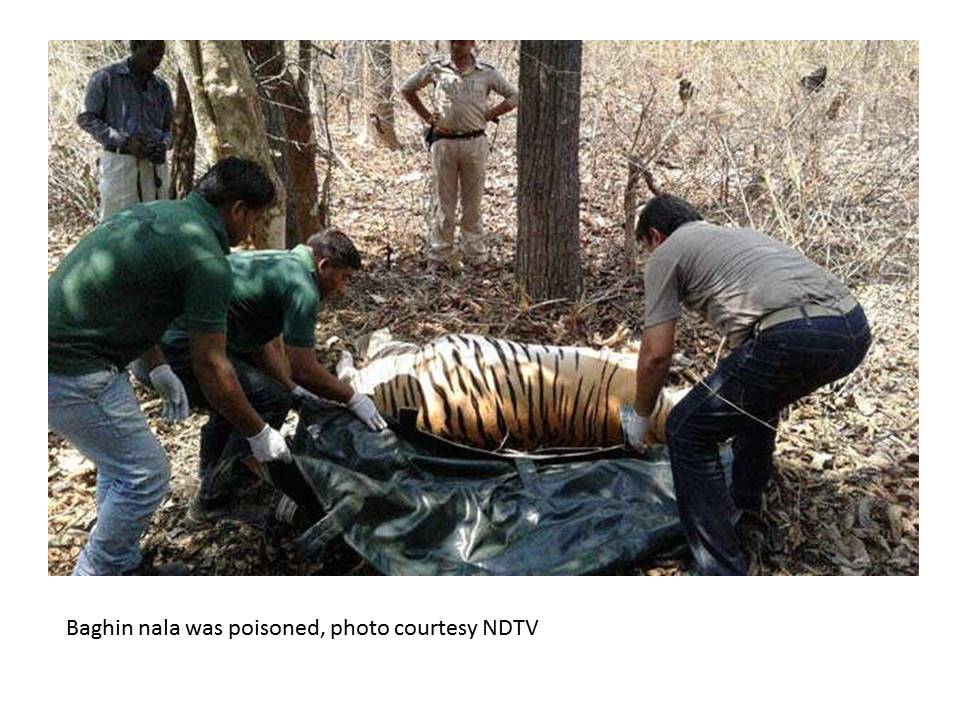
Explorers reached at Pench with huge expectation; there was series of news of tiger sighting. Especially Pench’s famous tigress “Collarwali” and her four cubs were apparently getting sighted almost every day. However, after reaching there, atmosphere of Pench was found a bit gloomy. The death of tigress “Baghin nala” and her three cubs was a huge reason of heartbreak among locals, especially among forest guides, safari drivers and resorts owners. They know, there are tigers in forest and that’s why they have job to do. No tigers means, no work for them.

If we go back to past, on 28th March of 2016, various tourists entering through the Touria Gate of the Pench Tiger Reserve noticed the darling Tigress and a mother of 4 young cubs lying at a distance from the road. She was in her territory and guests were thrilled to click a sleeping tigress from such a close distance. The excitement turned to shock when during the exit hours few drivers of the tourist vehicles realized that she was lying in the exact position as before and was highly unusual. The kids who always accompanied her were not around and a stranger was captured on a phone-cam on FOOT (it is illegal for outsiders to get off their vehicles once inside the core area, and loitering is prohibited) clicking the tigress from a dangerously close distance. The authorities were immediately informed by the concerned witnesses as they feared (rightly so) that the tigress was dead. Soon it was confirmed that the dead tigress was indeed T-17 a.k.a The Baghin-Nala Female, daughter of legendary ‘Badi Mada’ who was the subject of the BBC Documentary titled Spy in the Jungle, and sister of the illustrious T-15 commonly known as ‘Collarwali’. It was past tourist hours and the park gates were shut. In the hours that followed, decaying bodies of 2 of the cubs were also discovered. On 29th of March 2016 various dead bodies of Spotted Deer and other birds were discovered thus confirming poisoning of one of the water sources inside the park. The assumption of poisoning was bolstered when one of the water bodies that existed close to where the tigress had died was immediately filled and an identical water body was dug up at a little distance.

baghin nala

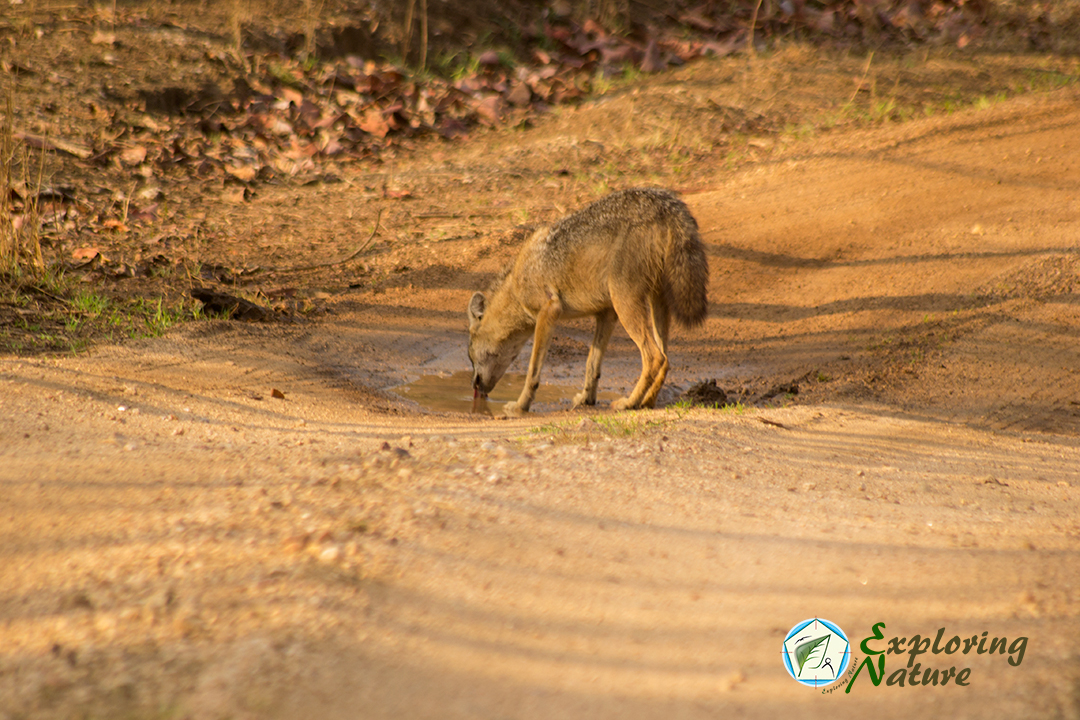
With this background story, explorers started their 3rd (1st in Pench) safari at 5:45 AM of 10th May, 2016. The usual question of Dhole sighting was asked, however with great surprise and little disappointment, the answer was positive from guide Sunil. In four and half hours of safari, the significant observations were spotted deer, wild boar, and golden jackal female and of course pack of Indian wild dog – playing and drinking water near a shallow water body. Important bird species were black hooded oriole, bush lark, Indian grey horn bill, white-eyed buzzard and critically endangered white rumped vulture, and long billed vulture.

DSC_0015

The second safari at Pench (and 4th of the series) started at 4:00 PM, and driver Shera and guide Vinod were quite confident about spotting “Collarwali”. Vinod was a trained guide with certification from prestigious Indian Institute of Forest Management, Bhopal. With lot of enthusiasm, exploration of the day started and an immediate set back, marked by heavy down pour, lasted for an hour between 4:30 to 5:30 PM. All hopes got washed away; rain cooled down the forest and minimized possibility of big cats coming out of dense forest to quench thirst. However, intermittent warning calls of langoors, sambar and spotted deer were heard throughout whole safari from different corners of the forest, confirming movement of big cats within dense forest. Although some of the calls were suspected false calls by male spotted deer. Male spotted deer sometimes make false call to make female spotted deer scared, so that they come closer to them out of fear and to seek protection. Male spotted deer take that as an advantage for mating. Quite an opportunist lover.

However, serious and strong warning calls were heard at around 5:45 PM, there were combined calls of peacock, jackal, burking deer and red jungle fowl. Everybody was sure, that calls were for nothing but Bengal Tigers and movement was not beyond 200 meters from the explorers’ location. Vinod said, “You may not like to trust spotted deer, but sambar and jackal never gives false call.”

Despite of strong call, nothing came out of dense forest; an hour of waiting didn’t yield anything, but a black napped hare, fruit bats and juvenile crested serpent eagle, which just finished eating of its kill – an adult peafowl. 1st day’s safari at Pench ended there.

DSC_0030 (2)

Last safari of Pench and 5th of the series was significant for hearing intense warning call of langoors at 7:00 AM and spotting pug marks of big cat. However, the pug marks didn’t look fresh and both driver Shera and explorer Dwaipayan suspected those as Leopard’s pug mark. There was rumor in the forest, that a male tiger was spotted somewhere near route number one. But explorers could not find any evidences of that.

DSC_0067 (2)

The last segment of the series started at Kanha at 5:45 AM of next day (12th May, 2016). Third explorer Rajan could not join the team, because of some technical glitch. Guide Shamim first heard a mild warning call of sambar near crossing point of Kanha and Kisli zone of the tiger reserve. The zone was known as hide-out of famous tiger “Munna”. Around 6:20 AM, severe warning calls of Northern Plain Langoor and spotted deer were heard in that area. Dwaipayan admitted, that was the strongest warning call, he had ever heard in any exploration in forest. Several spotted deer were found running away towards opposite direction from where the call was coming. However, waiting of an hour or so wasn’t enough to get Munna out of his hide-out. There was news form other side of the forest that, another male and female tigers were spotted near Kanha zone.

Explorers reached there and at around 5-6 km away from Kisli zone, they found fresh pug mark and mark of siting on soil of an adult male tiger.

DSC_0037

Around, 10:30 AM they started retreating from forest, Driver Raju was telling stories of Munna, wo was most respected tiger of Kanha and more famous for being only male tiger who didn’t kill his cubs, in recent history of Kanha.

The significant observations, for the day was Swamp deer, King Vulture, Sircar Malkoha, Jungle Owlet etc.

The other three safaris in Kanha were very quiet. Forest was lush and cool, with sight of happily grazing herbivores and colorful birds.

In last safari, while returning, explorers spotted fresh tiger’s scat confirming recent movement of the big cat……but for the explorers…..still in the shadow of tiger!!

In the Shadow of the Tiger : The Quest for Bengal Tiger

My 3 years association with Exploring Nature, so far, as a biodiversity explorer has given me some fabulous opportunity to chase Bengal Tigers in the forest of India. So far as a team we have explored 7 most significant Tiger Reserves of India.

Today, I will start telling the stories of quest for Bengal Tigers, whatever we have experienced as of now. However, our quest still continues.

_DSC0008 (2)

Part One: In the Shadow of the Tiger

The quest for tiger started at 6:30 in the morning of 2nd December, 2015 at Bandipur National Park. There was already news in Bandipur that one Gaur (Indian bison) was killed by a male tiger in Bandipur on previous night and that news pulled in many wildlife photographers and biodiversity experts from Bangalore and MP to Bandipur.

At around 6:45 AM explorers entered into safari zone of the park. Apart from driver cum guide Boma, there were four more companions in the jip – two wild life photographers from Bangalore – they came to spot the bison killer tiger and one Gujarati couple.

While entering forest, lot of spotted deer and bonnet macaque were spotted at the forest office and en route. Explorers also spotted white bellied drongo, yelloe billed babbler, paddy field pipit, common hoopoe, wag tail, jungle and pea fowl/hen etc.

_MG_7485_1

Photo Courtesy : Dwaipayan Ghosh

The first warning call was heard from the south east direction of the forest at 7:15 AM. It was a south west langur. Couple of jip started tracing the call slowly and after driving 2-3 km both the jip stopped. Big cat —- the most elusive creature of forest —- a pair of leopard. Leopards always make their existence highly imperceptible.

The mating pair was sitting on the open land at the left hand side of their direction of movement. The langur was exactly on the top of a teakwood tree next to the female leopard and kept giving call. They were moving on after having mated probably a very short while ago, as anticipated by Boma. At first, the pair was baffled and they sunk into the bushy scrubs quickly. A few minutes later the male leopard came out and lied down boldly in the open followed by the female. The lady was shy and definitely not sure about being in the open. She straightaway went into the thicket nearby and settled down.

_MG_7495

Photo Courtesy : Dwaipayan Ghosh

After 2-3 minutes, the pair stood up and walked slowly into the bush. The explorers could hear the growling sound coming from the bush. What the explorers witnessed was a partial courtship behavior in leopards which is hardly seen live. Given that leopards are very discreet about their presence, they are highly so during the mating period. Explorers could hardly believe in their luck that they got to see a very rare moment in the nature. After that explorers waited there for 10-15 minutes but the pair did not come out.

Explorers now started looking for any trace of the tiger, which had killed a bison in previous night. One of the photographers from Bangalore said that the tiger was spotted in last evening near a water body. The jip reached there and the carcass of the bison was found hidden inside a dense bush. The lower part of the carcass was half eaten. Probably the intermittent light and heavy shower of last night kept the tiger away from it and it was certain that the tiger would come back again to finish eating.

Explorers waited there for some time and made few rounds of Jip movement around that area, but nothing significant related to tiger movement were spotted. While moving in that area, a sloth bear made sudden appearance. It was crossing his path from one side of forest to other side. One of the photographers from Bangalore, who was sitting in front seat – next to driver, spotted it and alerted others. All four wild life photographers with their hi-tech cameras – got surprised with this sudden appearance of another elusive animal of the forest. None of them were ready enough to capture this rare sight creature of wild and gradually the sloth bear disappeared in dense forest of Bandipur National park.

The exploration continued till 9:00 AM, the significant sighting was few bird species – long tail shrike, streak throated woodpecker, malabar parakeet, brown fish owl, brahminy sterling, spot bill duck etc. No sight of any big animals.

In the evening, the exploration was started little later than scheduled time. Three jips and two buses entered the forest at 4:00 PM. Later it was realized by the explorers, that the intention behind late start was staying bake late in forest so that the bison killer tiger could be spotted. All the photographers in different jips and their companion forest guides and drivers were desperate for the sight of tiger. For 2 hours all jips and forests kept circling that 15 square kilometer area around the bush where the carcass was hidden. Instead of safari it turned out as being on guard for that carcass. The intermitted rain throughout the day made the sighting of tiger less likely.

_MG_7275

At 5:00 PM towards North-West direction from the carcass, approximately 3 km away a male leopard was spotted lying down on branch of teakwood tree. Another rare sight in the nature. Once it noticed the presence of jip, the shy animal jumped down from the tree and got disappeared in deep forest. Apart from few spotted deer, south west langur, bonnet macaque, herds of Indian bison, few racket tail drongo, oriental magpie, flame back woodpecker and a pair of green pigeon nothing significant were spotted.

Around 5:15 PM, strong warning call was heard repeatedly from the North West direction from the carcass. It was by a Burking deer and the call was coming from the direction where the male leopard moved 15 minutes back. It could be because of the leopard, but nevertheless it increased the excitement and hope for sighting tiger among the bunches of non-deserving, worthless Homo Sapiens sapiens. Eventually no trace of tiger movement was spotted.

While coming out of the forest at around 6:00 PM, one sloth bear were spotted in darkness. It could be the same one, which was spotted in morning. But it was too dark to capture the creature ethically.

Next day, 3rd December, explorers started their safari at 6:30 AM by a forest bus. The forest was unusually quiet than previous day, rain stopped and sun was out. All the wise and disappointed so called wild life and biodiversity experts appeared returned to their home after several unsuccessful attempts of tiger sighting. Apart from usual bird species explorers spotted a pair of happy stripe necked mongoose.

On 5th December at 9:00 AM morning the explorers reached at the check post of Periyar Tiger Reserve to start one of the most adventurous and challenging biodiversity hiking of this country —— The Periyar Tiger Trail, with a hope that their bad luck for sighting tiger would end there.

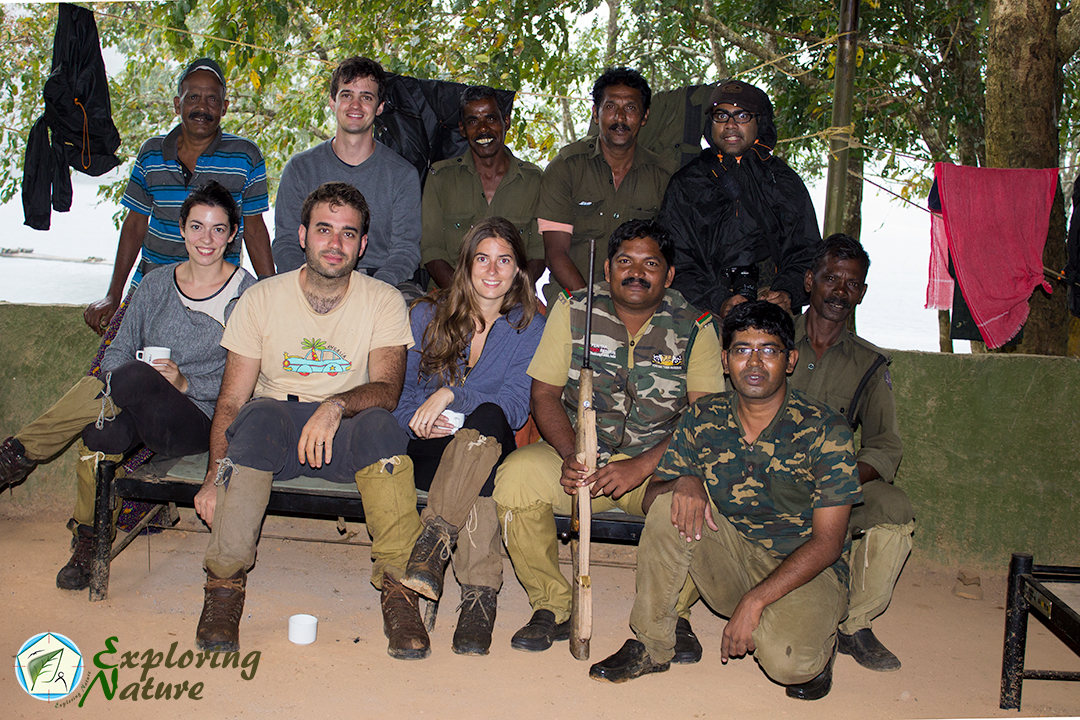
Two explorers were accompanied by three Spanish hikers – Sichov, Fernando and Anna and one French hiker Juliet. Sichov and Anna came from Madrid whereas Fernando and Juliet have been living in Delhi for last one year. There were four forest guides with them – C. C. Thomas, S. Pandya, N. S. Kunjumon and C. Armugam – all of them were ex-poachers and had 30-40 years of experience in dealing with forest and wild life. They were also accompanied by a Forest Official cum Gun Man – Ajimon.

_MG_7567

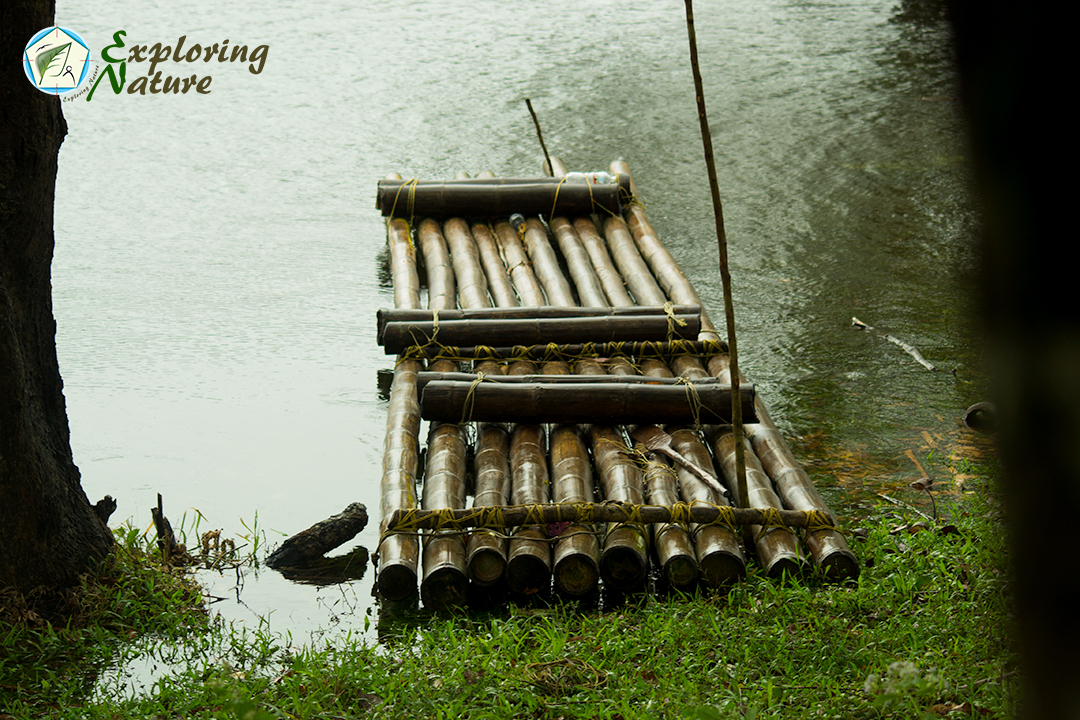
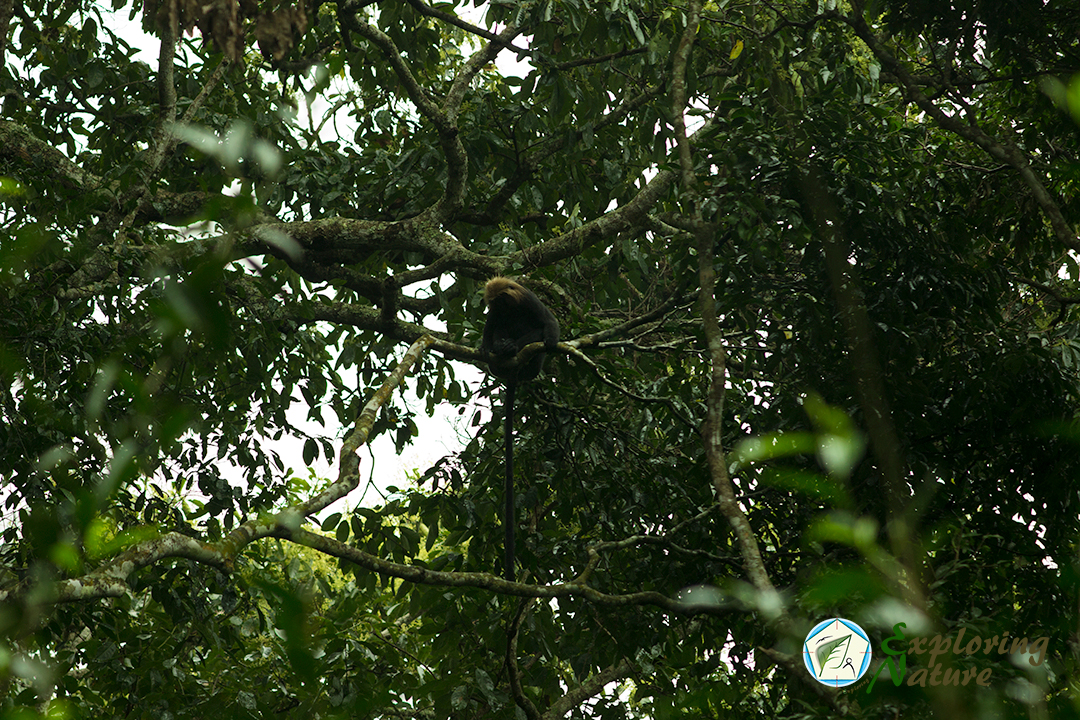
The whole contingent started trekking at 10:00 AM from the PRT check post towards South West direction with cameras, survival kit and three days’ ration in 25-30 kg heavy ruck sack. Initial trekking was 4 km long till they reached the bamboo rafting point through Periyar Lake. In this trail, the key species spotted were male sambar, nilgiri langur, bonnet macaque, grey headed fish eagle; wag tail, common drongo etc. After 200 meters of bamboo rafting towards South West direction, they reached the most difficult stretch of the trekking.

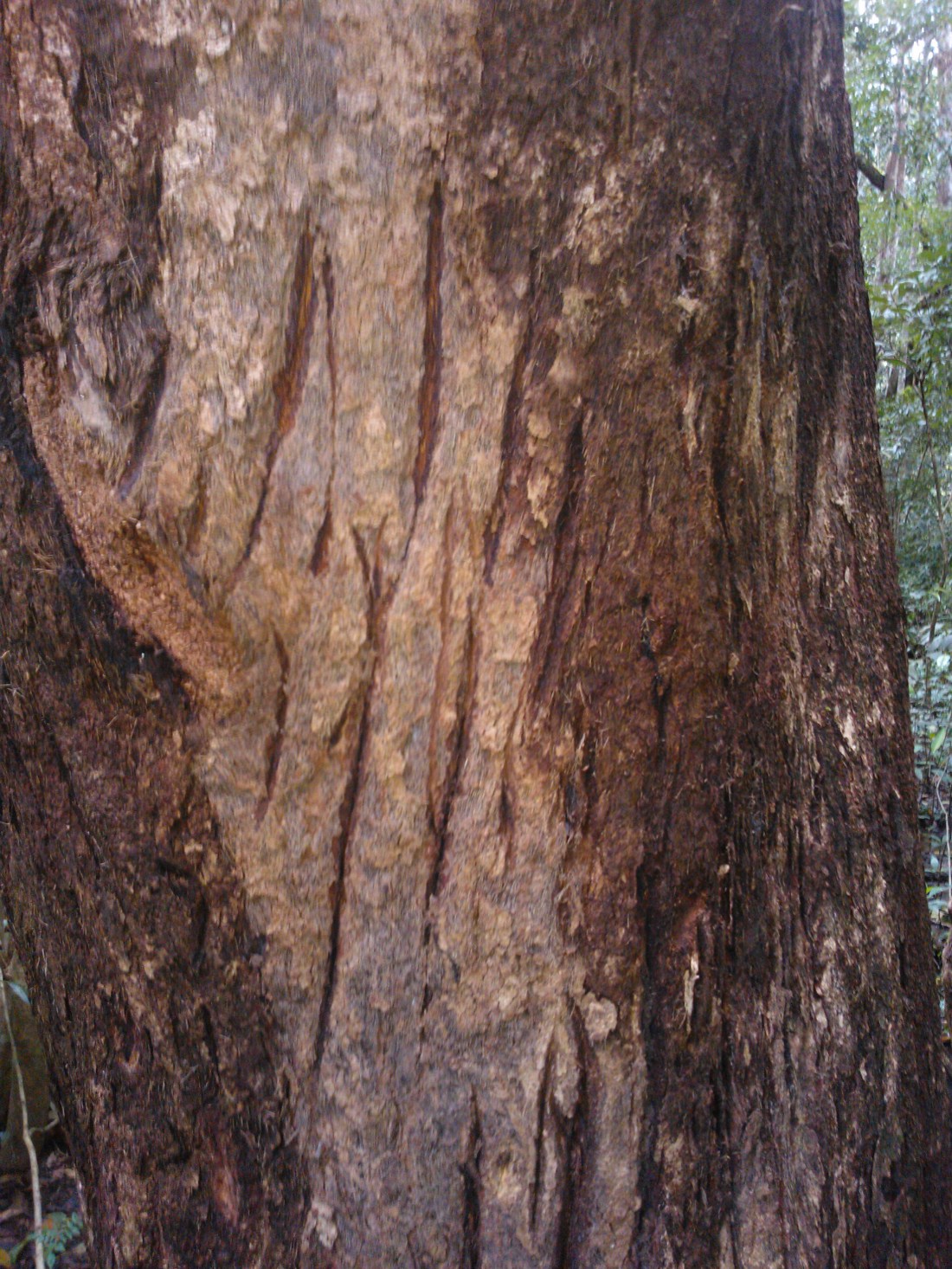
Explorers started last 5 km of trekking towards South West direction through dense bush and teak wood forest. The forest was full of leeches and to get prevent leech attack all of them spread tobacco powder over their trekking shoes and leech guard socks. It was an over cast day with 30oC temperature. Intermittently they were noticing fresh pug marks on the muddy forest land. Guide Thomas identified those as pug marks of a big male tiger. Scratch mark of tigers on tree trunk was also observed.

WP_001358

WP_001350

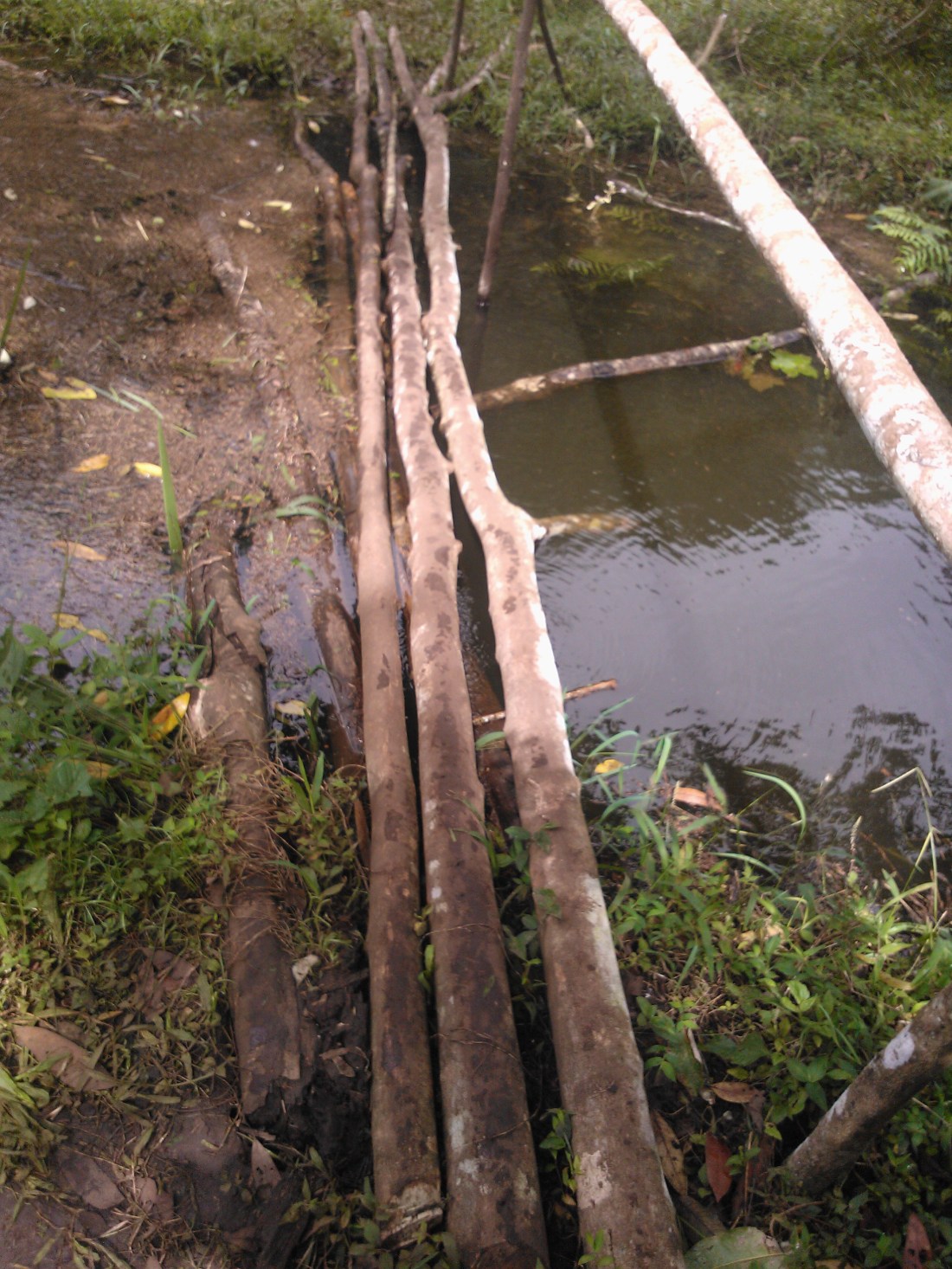
In this 5 km trail, explorers climbed 600 meters and three times had to cross water streams of 100-120 feet deep over makeshift bridge of tree trunk with cameras in hand and heavy ruck sack on back. At the end of this trail they reached at the edge of forest and bunk of Periyar Lake. From that point a one km of bamboo rafting would take them to the core area of the forest, where their tents were erected for next three days and two nights.

WP_001344

_DSC0105

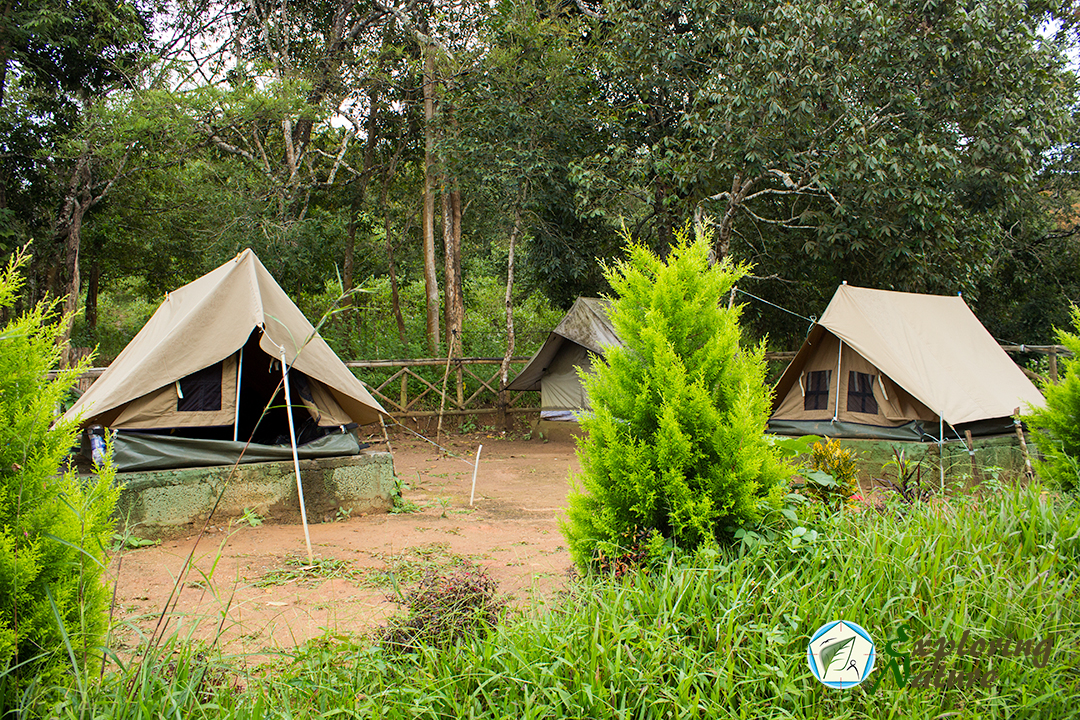
Explorers reached at camping area at 1:00 PM and for next one hour got busy in cooking. There were three tents for six hikers. The guides decided to stay at cooking area. The meal for them was Cappa Kodi or Tapioca. Drinking water source was Periyar Lake and the bush at South East corner of the forest around 200 meters away from their tents was their toilet. The camping area were protected by 1 feet high bio fencing and 10-12 feet deep Elephant Protecting Trench (EPT).

_MG_7570 (2)

After cooking and eating, again bush walking started from 3:30 PM towards North East direction of the forest. Around 3:30 PM, warning call was heard by barking deer but no other movement of big cat was spotted. An old skeleton of Indian bison was found on open land, the animal was killed by tiger.

The night was windy, cold with heavy rain with fear of possible flown away of tents by strong wind. Forest guides created a small bon fire by dry woods collected from forest. Explorers put their wet shoes and socks near to that fire so that morning they could wear dry shoes. The dinner was done with lake fish bought from the local tribal at the cost of Rs. 200/- per kg.

download

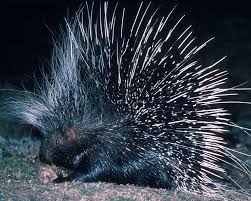
In the same night at around 9:00 PM, explorers were delighted by arrival of surprise guests at their camping area – a pair of porcupine – Raja and Rani. Guide Kunjumon told them, whenever they did camping in forest – Raja and Rani had always come to search for food.

Morning of next day, i.e., 6th December, Arnab got a scary start. When he went to forest for dumping, three strong warning calls by Sambar was heard at 6:15 AM from very close distance from the South East direction of forest. Definitely movement of big cat was spotted, however nothing significant happened after that and Arnab returned to his tent quickly after attending his nature’s call.

Morning safari of 6th December happened towards South West direction after crossing the Periyar Lake by bamboo raft. Explorers climbed almost up to 915 km, but the rain kept kept all the big animals away from them. An old skeleton of elephant was spotted which was killed by tiger. A rarest bird species great Indian Hornbill was found to be flew over them when they reached the highest point of their trail.

_MG_7553

In the afternoon of same day between 1:45 to 2:00 PM several strong calls of Sambar were heard from the North East direction of the forest from the camping area. From the camping area, two Sambars were also found running away from North East to North West direction within forest. In the evening explorers did bush walking in North East direction and chased several herds of Bison. Around 4:00 PM, they traced warning calls of nilgiri langur but could not find anything else which could lead to big cat movement. Another very rare bird species Serpent Eagle was spotted there.

The night was relatively quiet, comparing to previous night and the porcupine pairs made their usual visit to entertain explorers.

Next day morning at 10:00 AM, explorers with full contingent started retreating from the camping area to outside of forest. They followed the same route they took while getting into the camping area. First hour was sunny but then heavy rain started, which

made their trekking through bushes and muddy forest land even more difficult. There were always fear of falling with heavy ruck sack on back. Couple of makeshift bridges over water streams was found to be destroyed due to heavy rain or by animals. Therefore, explorers had to search for new means of crossing water streams. At one point of time they had to cross an 8 feet deep trench full of water by a half a meter wide and 2 meters long tree trunk. That was quite scary and dangerous. The moist and slippery trunk was not a good thing to try balancing act, with 25-30 kg ruck sack on back.

_DSC0156

Last one kilometer of trekking was toughest in this whole series – rain became heavier and mud on forest became thicker and sloppier. Explorers were struggling in finding place to put their feet and maintain balancing. There was a slant slope of 30 meters they had to climb, with every step they were sliding down few meters towards the 140 meters deep Periyar Lake at the edge of the slope. Moreover, throughout this stretch fresh pug marks were spotted towards South West direction, whereas explorers were moving towards North East direction.

However, with the help of guides, explorers managed to reach at the edge of the forest in one piece, from where they would do bamboo rafting to cross the 200 meter stretch of Periyar Lake.

Every time the Explorers felt they were so near to Bengal Tiger of this subcontinent……but all the time they realized they were too far…….

The quest will be on in ….”Tigers’ Terrain”.

The Super Ape (Concluding Part)

DSC_0198DSC_0179


Sumatran orangutans are primarily frugivores, favoring fruits consisting of a large seed and surrounded by a fleshy substance, such as fig fruits. Insects are also a huge part of the orangutan’s diet; the most consumed types are ants, predominantly of the genus Camponotus (at least four species indet.). Their main diet can be broken up into five categories: fruits, insects, leaf material, bark and other miscellaneous food items. Studies have shown that orangutans in


the Ketambe area in Indonesia ate over 92 different kinds of fruit, 13 different kinds of leaves, 22 sorts of other vegetable material such as top-sprouts, and pseudo-bulbs of orchids. Insects included in the diet are numbered at least 17 different types. Occasionally soil from termite mounds were ingested in small quantities. When there is low ripe fruit availability, Sumatran orangutans will eat the meat of the slow loris, a nocturnal primate. Water consumption for the orangutans was ingested from natural bowls created in the trees they lived around. They even drank water from the hair on their arms when rainfall was heavy. Meat-eating happens rarely in Sumatran orangutan, and orangutans do not show a male bias in meat-eating. A research in Ketambe area reported cases of meat-eating in wild Sumatran orangutans, of which 9 cases of orangutans eating slow lorises. The research shows, in the recent 3 cases of slow lorises eaten by Sumatran orangutan, a maximum mean feeding rate of the adult orangutan for an entire adult male slow loris is 160.9 g/h and, of the infant, 142.4 g/h. No case have been reported during mast years, which suggests orangutans take meat as a fallback for the seasonal shortage of fruits; preying on slow loris occurs more often in periods of low fruit availability. Similar to most primate species, orangutans appear to only share meat between mother and infants.

After an hour of observing those orangutans and finishing their eating, the team started leaving forest. The Indonesian guides collected all left over and skins of fruits, as human beings are not allowed to feed wild lives or leaving anything behind which could be consumed by them.

Sumatrans encounter threats such as logging (both legal and illegal), wholesale conversion of forest to agricultural land and oil palm plantations, and fragmentation by roads. Oil companies use a method of deforestation to utilize palm oil. This palm oil


is taken from the trees in which Sumatran orangutans live and swing from. An assessment of forest loss in the 1990s concluded that forests supporting at least 1,000 orangutans were lost each year within the Leuser Ecosystem alone. While poaching generally is not a huge problem for the Sumatrans, occasional local hunting does decrease the population size. They have been hunted in the Northern Sumatra in the past as targets for food; although deliberate attempts to hunt the Sumatrans are rare nowadays, locals such as the Batak people are known to eat almost all vertebrates in their area. Additionally, the Sumatrans are treated as pests by Sumatran farmers, becoming targets of elimination if they are seen damaging or stealing crops. For commercial aspects, hunts for both dead and alive specimens have also been recorded as an effect of the demand by European and North American zoos and institutions throughout the 20th century.

After witnessing this amazing last few creatures of Sumatra, we started towards camping ground at nearby village where we would take rest in the evening and plan for next day morning.


During this trekking we also spotted lot of Indonesian black squirrels and long tailed macaque in forest as well as in village. The time of the day, climate and nature of forest was not soothing enough for spotting birds as birds are really tiny in this forest and get completely camouflaged in thick leaves and high canopy. However, we spotted a pair of famous rhinoceros hornbill on a tree top. The rhinoceros hornbill (Buceros rhinoceros) is one of the largest hornbills, adults being approximately the size of a swan, 91–122 cm (36–48 in) long and weighing 2–3 kg (4.4–6.6 lb). In captivity it can live for up to 90 years. It is found in lowland and montane, tropical and subtropical climates and in mountain rain forests up to 1,400 metres altitude in Borneo, Sumatra, Java, the Malay Peninsula, Singapore, and southern Thailand. Like most other hornbills, the male has orange or red irises, and the female has whitish irises. This bird has a mainly white beak and casque, but there are orange places here and there. The tip of the casque curves markedly upward. The bird has white underparts, especially to the tail. The rhinoceros hornbill faces a number of threats, including loss of habitat and hunting for its meat, its feathers and its casque, which can be carved into ornaments and jewellery, and is as dense as ivory. IUCN status is near threatened.

The Super Ape (Part Three)…..

DSC_0164

The Sumatran orangutan is endemic to the north of Sumatra. In the wild, Sumatran orangutans only survive in the province of Nanggroe Aceh Darussalam (NAD), the northernmost tip of the island. The primate was once more widespread, as they were found farther to the south in the 19th century, such as in Jambi and Padang. There are small populations in the North Sumatra


province along the border with NAD, particularly in the Lake Toba forests. A survey in the Lake Toba region found only two inhabited areas, Bukit Lawang (defined as the animal sanctuary) and Gunung Leuser National Park. The species has been assessed as critically endangered on the IUCN Red List since 2000. It is considered one of “The World’s 25 Most Endangered Primates.”

A survey published in March 2016 estimates a population of 14,613 Sumatran orangutans in the wild, doubling previous population estimates. A survey in 2004 estimated that around 7,300 Sumatran orangutans still live in the wild. The same study estimates a 20,552 km2 occupied area for the Sumatran orangutans, of which only an approximate area range of 8,992 km2 harbors permanent populations. Some of them are being protected in five areas in Gunung Leuser National Park; others live in unprotected areas: northwest and northeast Aceh block, West Batang Toru river, East Sarulla and Sidiangkat. A successful breeding program has been established in Bukit Tiga Puluh National Park in Jambi and Riau provinces. The main reason for the endangerment of these orangutans is because of palm oil companies destroying the native rain forests.

Male Sumatran orangutans grow to about 1.4 m (4.6 ft) tall and 90 kg (200 lb). Females are smaller, averaging 90 cm (3.0 ft) and 45 kg (99 lb). Compared to the Bornean species, Sumatran orangutans are thinner and have longer faces; their hair is longer with a paler red color.


After another 30 minutes of observing orangutans, we moved on. Eno heard calling of white gibbons, so we rushed to the spot but could not see any gibbons. However, soon after the place became very lively with the arrivals of pig tailed macaque. The southern pig-tailed macaque (Macaca nemestrina) is a medium-sized Old World monkey. Macaca nemestrina can reach a weight of 5–15 kg in large males. These monkeys are buff-brown with a darker back and lighter lower parts of the body. Their common name refers to the short tail held semi-erect and reminiscent of the tail of a pig. They are mainly terrestrial but they also are skilled climbers. Unlike almost all primates they love water. They live in large groups split into smaller groups during the day when they are looking for food. They are omnivorous, feeding mainly on fruits, seeds, berries, cereals, fungi and invertebrates. There is a hierarchy among males, based on the strength, and among females, based on heredity. Thus, the daughter of the dominant female will immediately be placed above all other females in the group. The dominant female leads the group, while the male role is more to manage conflict within the group and to defend it. Sexual maturity is reached at the age of 3–5 years. Female gestation lasts about 6 months. She will give birth to one infant every two years. Weaning occurs at 4–5 months. In Thailand, they have been trained for 400 years to harvest coconuts. As per IUN, their conservation status is Vulnerable.


This monkey was searching for food in the forest and couple of time showed its huge canine to scare us off and eventually left the place with a huge jump over our head.


When we were busy with pig tailed, there was already arrival of another curious creature, the funky Thomas’s leaf langur. Thomas’s langur (Presbytis thomasi) is a species of primate in the family Cercopithecidae. It is endemic to North Sumatra, Indonesia. Its natural habitat is subtropical or tropical dry forests. It is threatened by habitat loss. Its native names are reungkah in Acehnese and kedih in Alas. As per IUN, their conservation status is Vulnerable too.

After that we reached a clear place inside forest where we met other group led by guide Antonio and Dia. That was a time to get some energy. Forest was hot and humid, and the day was quite bright. Even huge canopy cover was not always enough to protect from hit. Therefore we all were dehydrating fast and trekking in difficult terrain of forest with equipment, taking photos and hydrating at the same time was not always feasible. So, we were also waiting for a much needed hydration break.

Eno and Dia collected fruits from forest while trekking and started peeling them off. The fruits were mainly jungle pineapple, oranges, passion fruits, rambutan, and bananas. The fruits were awesome; I never had such juicy pineapples in my whole life before.

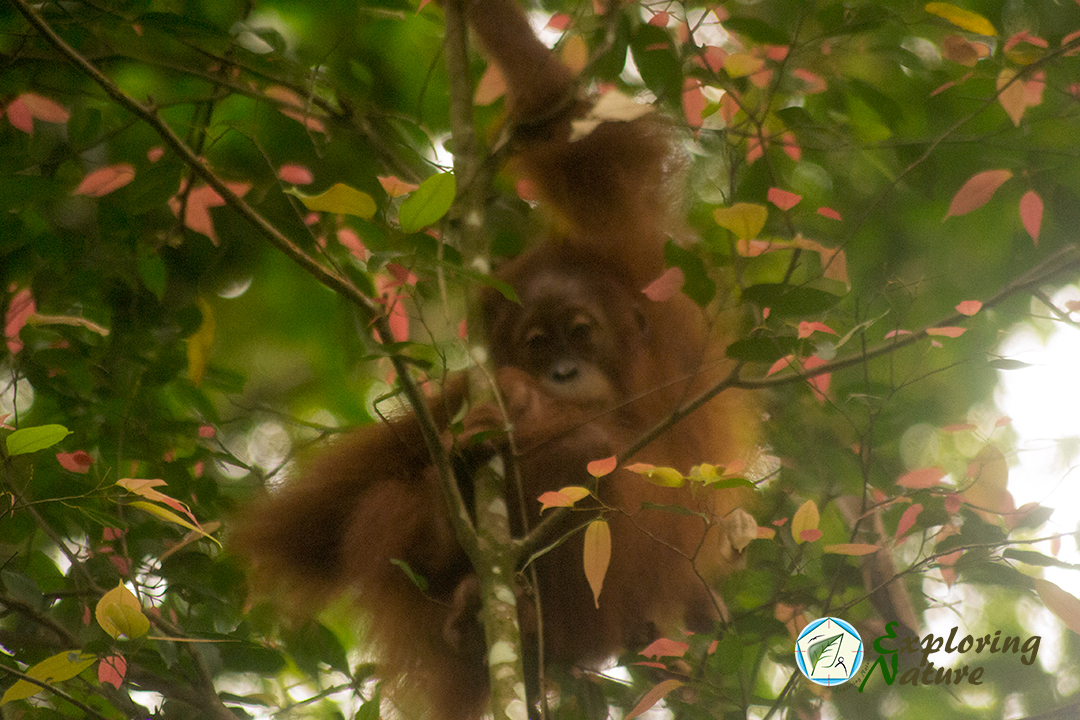
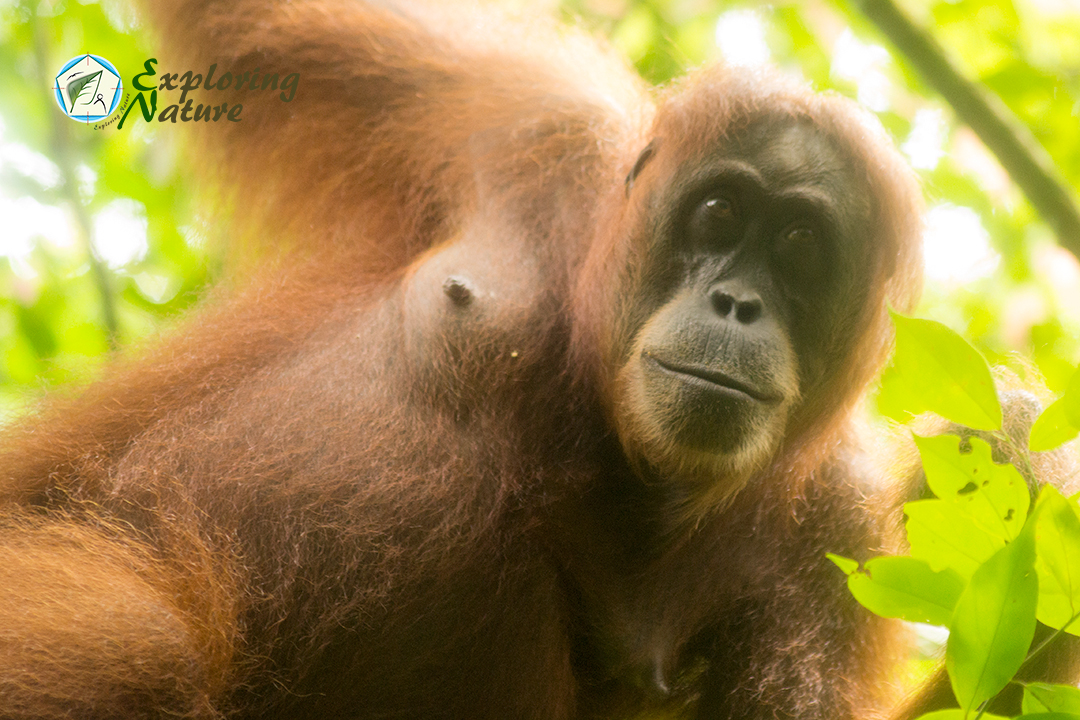
When we were busy in enjoying flavour of forest fruits, there were few silent watchers around them or above them. Antonio drew our attention to a huge female orangutan and her baby and they were watching us from a 10 feet tall tree, just above the place where we were eating. Antonio told them that orangutans love fruits specially pineapples and bananas.

….. to be continued

The Super Ape…(part 2)

DSC_0027After chasing Lion and Wild Ass , in the desert and svanna biodiversity at the western part of India, I did several explorations in different parts of country and in Africa. However, before telling stories from that part, I would like to narrate a very special biodiversity adventure of my life so far….with most intelligent apes in forest of Sumatra……my 6th exploration as a member of Exploring Nature…
DSC_0048

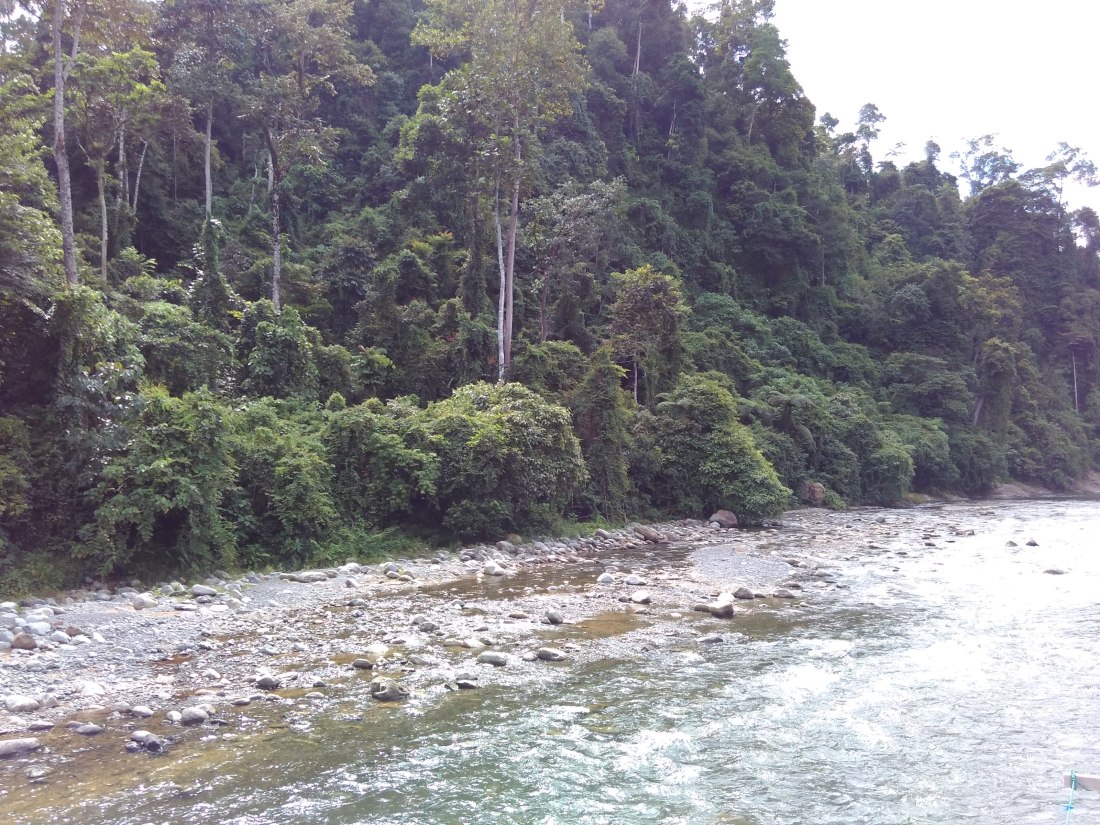
It’s a typical rain forest with insects, poisonous snakes, mud, humidity, near impossible climbs, thorny bushes, and huge canopy, beautiful and dangerous. And that’s when an explorer falls in love with the forest. Gunung Leuser National Park is one of the two remaining habitats for Sumatran orangutans (Pongo abelii). In 1971, Herman Rijksen established the Ketambe Research Station, a specially designated research area for the orangutans. Other mammals found in the park are the Sumatran elephant, Sumatran tiger, Sumatran rhinoceros, siamang, Sumatran serow, sambar deer and leopard cat. After researchers put 28 camera-traps in July 2011, 6 months later they found one male and six females and predicted the population is not more than 27 Sumatran rhinos with the total population predicted as around 200 in Sumatra and Malaysia, half of the population 15 years ago.

People living in areas with a high biodiversity value, tend to be relatively poor. Hence, the highest economic values for biodiversity are likely to be found within institutions and people living in wealthy countries. Funds can come from several sources, including bio-prospecting, the GEF and grants from international NGOs (with donations possibly being proportional to biodiversity value) (Wind and Legg, 2000).


Exploration in the forest went on by making ways through thorny bushes and crossing natural obstacles and water streams. Thankfully there was no rain last night, so the forest was less muddy than usual . There were lot of ups and downs in the hills. The 5 hours trekking in 10 km forest stretch, carrying basic first aid kits, drinking water on back and camera in one hand, was a bit tiring specially in humid conditions.

The Sumatran Lowland Rain Forests are one of the most diverse forests on Earth and also one of the most threatened. These forests contain comparable levels of species diversity like the richest forests in Borneo and New Guinea. The Sumatra rain forests are home to some of the world’s most charismatic flowering plants: Rafflesia arnoldii, which produces the largest flower in the world (up to 1 m wide), and Amorphophallus titanum, which stands more than 2 m tall and produces aroid flowers. The avifauna is also exceptionally rich. More than 450 bird species are found here, more than in any other ecoregion in the Sunda Shelf and Philippines bioregion, except the Borneo Lowland Rain Forests. In the past fifteen years, rampant logging, hunting, fires, and habitat loss in the lowlands have pushed many of this ecoregion’s already endangered species to the edge of extinction. These include the Sumatran rhinoceros, Malayan tapir, tiger, Asian elephant, and orangutan. Illegal logging and pervasive corruption are contributing to more than 3,000 km2 of forest lost every year in this ecoregion. At the current rate, no mappable natural forests will remain beyond 2025.


Sumatra’s rain forests are quite diverse and contain levels of species diversity comparable to those of the richest forests in Borneo and New Guinea and are much richer than Java, Sulawesi, and other islands in the Indonesian Archipelago. Large, buttressed trees dominated by the Dipterocarpaceae family characterize Sumatra’s lowland rain forests. Woody climbers and epiphytes are also abundant (Whitten et al. 2000). The lowland rain forests of Sumatra support 111 dipterocarp species, including 6 endemics. The emergent trees, which can reach 70 m tall, are also dipterocarps (Dipterocarpus spp., Parashorea spp., Shorea spp., Dryobalanops spp.) and, to a lesser extent, species in the Caesalpiniaceae family (Koompasia spp., Sindora spp., and Dialium spp.). Dipterocarps dominate the canopy layer as well. Other canopy and understory tree families those are common, include Burseraceae, Sapotaceae, Euphorbiacae, Rubiaceae, Annonaceae, Lauraceae, and Myristicaceae (Whitten et al. 2000). Ground vegetation usually is sparse-mainly small trees and saplings of canopy species, herbs are uncommon.


Figs (Moraceae) are also common in the lowland rain forest. There are more than 100 fig species in Sumatra, and each species is usually pollinated exclusively by a single fig-wasp (Agaonidae) species. Figs may produce (mast) from 500 to a million fruits twice a year and are important food sources for many forest animals (MacKinnon 1986). Dipterocarps also use mast fruiting, perhaps to escape seed predation, by satiating the appetites of seed-predators and leaving the remaining seeds to germinate (Whitten et al. 2000). Sumatra once contained pure stands of rot- and insect-resisting ironwood (Eusideroxylon zwageri) forests. Ironwood is a member of the laurel family and is distributed throughout southern Sumatra, Kalimantan, and the Philippines. Ironwood forests are dominated by Eusideroxylon zwageri but may have also contained Shorea, Koompasia, or Intsia species as emergents (Whitten et al. 2000).


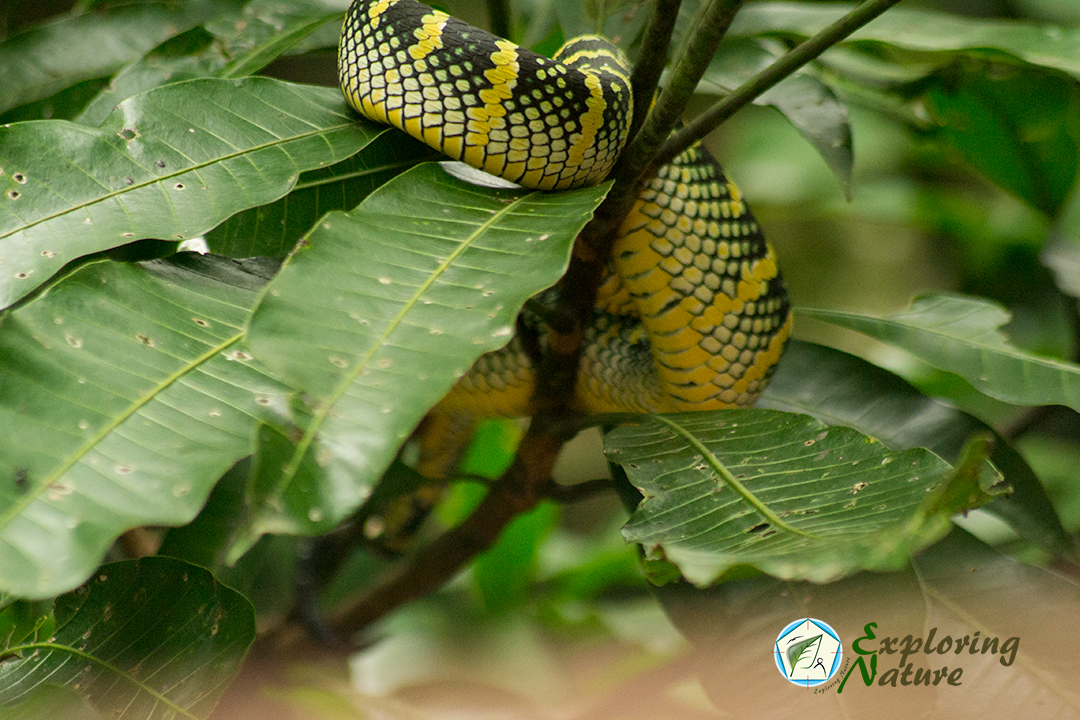
Me and my guide Eno were making their ways through this rain forest vegetation and I was pausing intermittently to take photos. After an hour of trekking, Eno stopped suddenly and whispered, “Basu, careful”, his eyes were fixed on the branch of a fig tree. He spotted a green temple viper. Tropidolaemus wagleri is a venomous pit viper species native to Southeast Asia. No subspecies is currently recognized. It is sometimes referred to as the temple viper, because of its abundance around the Temple of the Azure Cloud in Malaysia. This snake, that usually can be found hanging from the trees, has pretty dangerous bite and in case you are bitten, you should be acting rapidly. The area that is bitten, must be immobilized with the stretch bandage and the victim should be transferred to an emergency room to be observed.


Anyway, the snake was not moving from its place and we moved rapidly to other side of the forest.

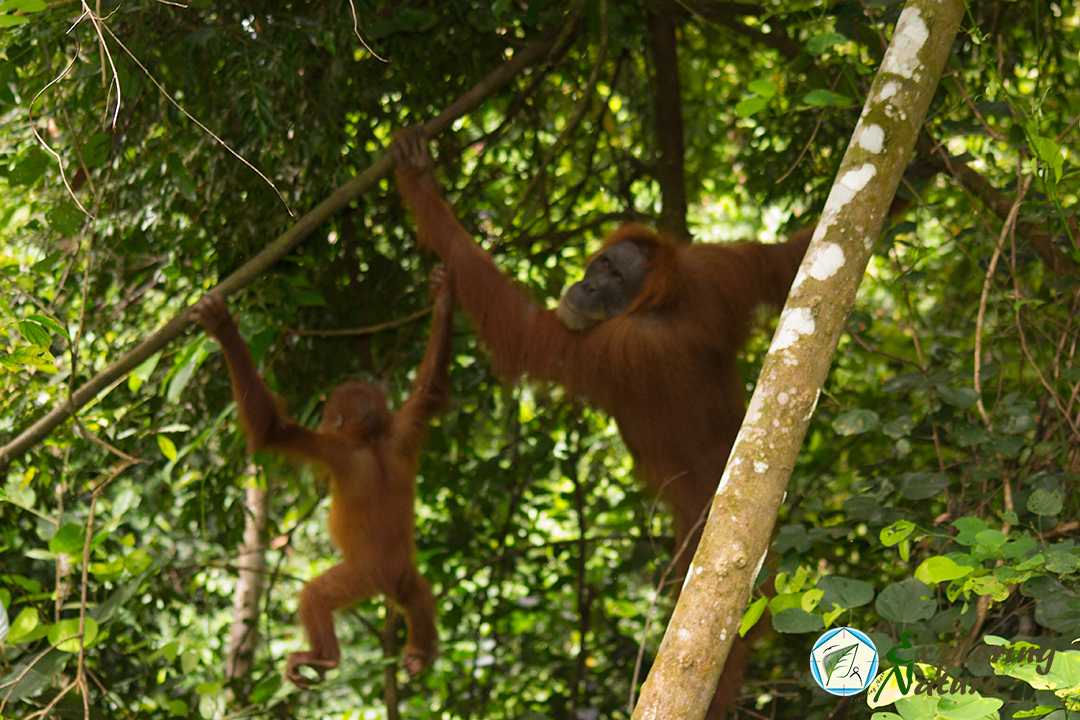
After another 15 minutes of walking, Eno asked me to stop again, both of us heard sounds of moving tree branches, as if something heavy was shaking the trees at the top. We looked up and saw something which never could be forgotten in whole life.


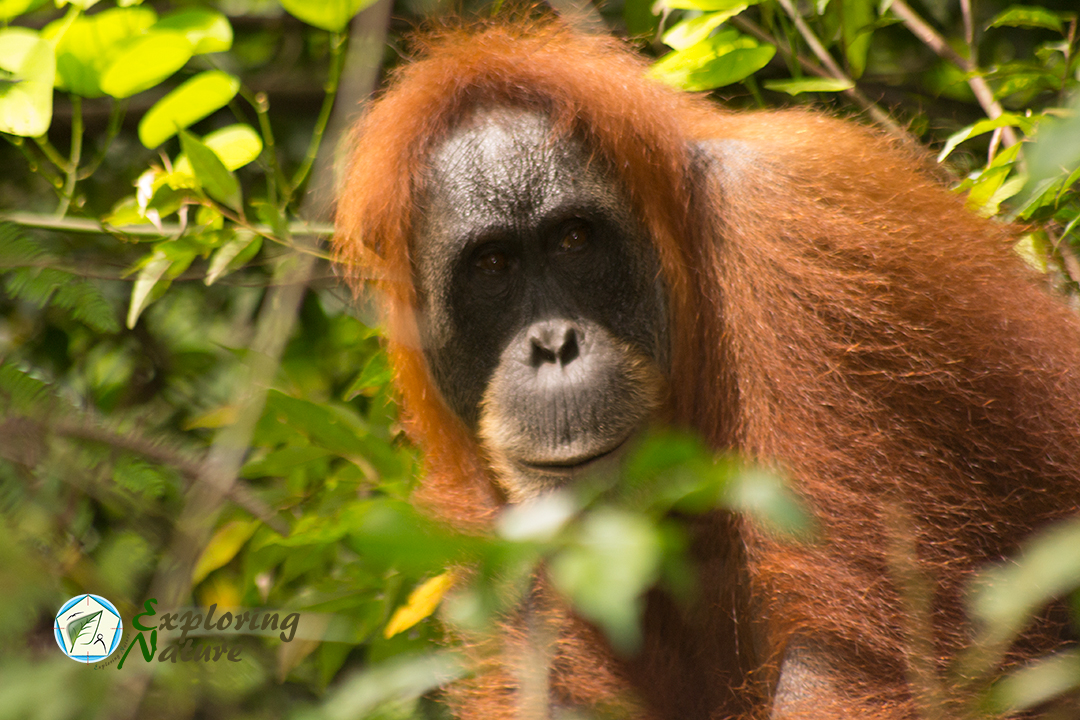
It was the largest arboreal mammal of this planet, closest primate to human being, which shared 97% of DNA symmetry, one of the last few of them, a Sumatran orangutan.

As of 2015, the Sumatran orangutan species has approximately 7000 remaining members in its population, only. Meena was one of them and considered most aggressive. But the one the explorer spotted was not her, but her sister Flat Nose and her baby.

“It is good that she is not Meena”, whispered Eno. He was attacked once badly by her and showed the wound on his hand to explorer.

Flat nose and her baby stopped, they spotted people in forest. Climbed down a bit to get a closer look and then started moving again from one tree to another tree by displaying amazing acrobatic skill. Orangutan has typical way of doing it, they first bend the branch of trees which they hold, by their body weight and then reach to the next branch and moved from the previous one to the next one. Skill fully maintains body balance while doing so. Kids follow the exactly same route what their mother shows. If their mother climb down from one tree and climb up the next one, instead of jumping, the kids will do same without even understanding reasons behind it.

We kept following them for next 15 minutes and reached to a part of forest where they joined few more female and cubs.

……. To be continued !!

The Super Ape…….

DSC_0055

 After chasing Lion and Wild Ass , in the desert and svanna biodiversity at the western part of India, I did several explorations in different parts of country and in Africa. However, before telling stories from that part, I would like to narrate a very special biodiversity adventure of my life so far….with most intelligent apes in forest of Sumatra……my 6th exploration as a member of Exploring Nature…

“Hey …. Kuch kuch hota hai”… or “Hello …. Kabhi khushi… kabhi gham…” shouted a local resident of the village of Bukit Lawang at the explorer. That was the villager’s first meeting with an Indian in person, in recent past. Before that they had seen Indians only in Hindi movies or TV serials (dubbed in Bahasa Indonesia).

This used to be a regular phenomenon for me, whenever I was moving around in the village. Local villagers were curious and excited after knowing that there was an Indian in the village as it was quite rare for them to sight one, despite immense popularity of Hindi movies made in 90s. The reason for popularity of old movies could be the time it takes to dub such movies into local languages. It takes a decade or long before those movies reach there from India to be shown.


Gunung Leuser National Park is a large world heritage listed national park covering 950,000 hectares in northern Sumatra, Indonesia, straddling the border of the provinces of North Sumatra and Aceh. The village of Bukit Lawang, is a small tourist village at the bank of Bahorok River in North Sumatra province of Indonesia, located within the park and situated 90 kilometers northwest of Medan. It is most famous for being one of the last places in the world where one can see orangutans in the wild. Bukit Lawang is also the main access point to the Gunung Leuser National Park from the east side.

After a 4 hours long drive, I reached at Bukit Lawang village on the afternoon of 24th October, 2016. The car could reach only up to the point where local traditional village market is situated and villagers come for shopping on every Friday. After that point, a two kilometres trekking and crawling through a cave would take to the main village where normally tourists would stay. My tour operator was EcoTravel, and their cottage comprised of a garden and a sun terrace overlooking the jungle and mountains. EcoTravel Cottages are situated in Bukit Lawang, right next to the Bahorok River. The cosy accommodation offers free WiFi access throughout the property. All rooms have a terrace or a balcony with views of the mountains and river. Every room is fitted with a fan and mosquito nets. They have a total of five spacious rooms in that village.

Sumatra EcoTravel stands for ecologically responsible travel in North Sumatra, Indonesia. The tours they arrange for tourists are aimed at the conservation of the environment and the well-being of local people and animals in this region. They try their best to give travellers a taste of the colourful Indonesian culture and to protect the Gunung Leuser National Park, especially the habitat of the last Sumatran orangutans.


During these entire exploration series, I often noticed their intentions of working together with authentic local partners and villagers.

The trekking started on the next day morning at 8:30; it was a multinational team consisting of German, French and Malaysian nationals with local guides Antonio, Eno and Dia. After knowing that I had a specific objective of capturing biodiversity of Gunung Leuser through lenses, the tour operator and owner of EcoTravel, Kembar allocated Eno dedicated to me, so that I could walk faster than the other team members and reach deep inside the forest to get better views.


The first task for the day was to reach the jungle by crossing Bahorok River. The Bahorok River is a river of the Langkat Regency in North Sumatra Province, Indonesia. A flash flood hit Bukit Lawang on 2 November 2003. The disaster ruined local tourist resorts and had a devastating impact on local tourism industry in the area. Around 400 houses, 3 mosques, 8 bridges, 280 kiosks and food stalls, 35 hotels and guest houses were destroyed by the flood, including 239 people (5 of them were tourists) were killed and around 1,400 locals lost their homes. Local authorities and an environmental NGO attributed it to illegal logging. Thanks to several international cooperation agencies, the site, at the bank of Bahorok River was rebuilt and re-opened again in July 2004.

From one edge of the river, where the village was located, to the other edge, where the forest started, was about 10 meters of width. The depth was not more than 1 meter in that particular stretch which was used to reach the forest area. After crossing the river, there was another 1 kilometre of trekking to reach the range office of Park, where Guide Antonio went ahead to check status of permit and other formalities before the team started entering into the forest.

Gunung Leuser National Park is a national park covering 7,927 km2 in northern Sumatra, Indonesia, 1/4th of which is straddling the border of North Sumatra and the rest is in Aceh provinces. The national park, settled in the Barisan mountain range, is named after Mount Leuser (3,119 m), and protects a wide range of ecosystems. An orangutan sanctuary at Bukit Lawang is located within the park. Together with Bukit Barisan Selatan and Kerinci Seblat national parks, it forms a World Heritage Site, the Tropical Rainforest Heritage of Sumatra. Gunung Leuser National Park is 150 km long, over 100 km wide and is mostly mountainous. 40% of the park, mainly in the north-west, is steep, and over 1,500 m. This region is billed as the largest wilderness area in South-East Asia and offers wonderful trekking opportunities. 12% of the park, in the lower southern half, is below 600 meters. 11 peaks are over 2,700 m., Mount Leuser (3,119 m) is the third highest peak on the Leuser Range. The highest peak is Mount ‘Tanpa Nama’ (3,466 m), the second highest peak in Sumatra after Mount Kerinci (3,805 m).

…….. To be continued !!

Chasing Wild Ass

_MG_6459During my first exploration with Exploring Nature, after the Quest for Asiatic Lion, in the forest of Gir, I went to in the desert of Little Rann of Cutch to chase wild ass.
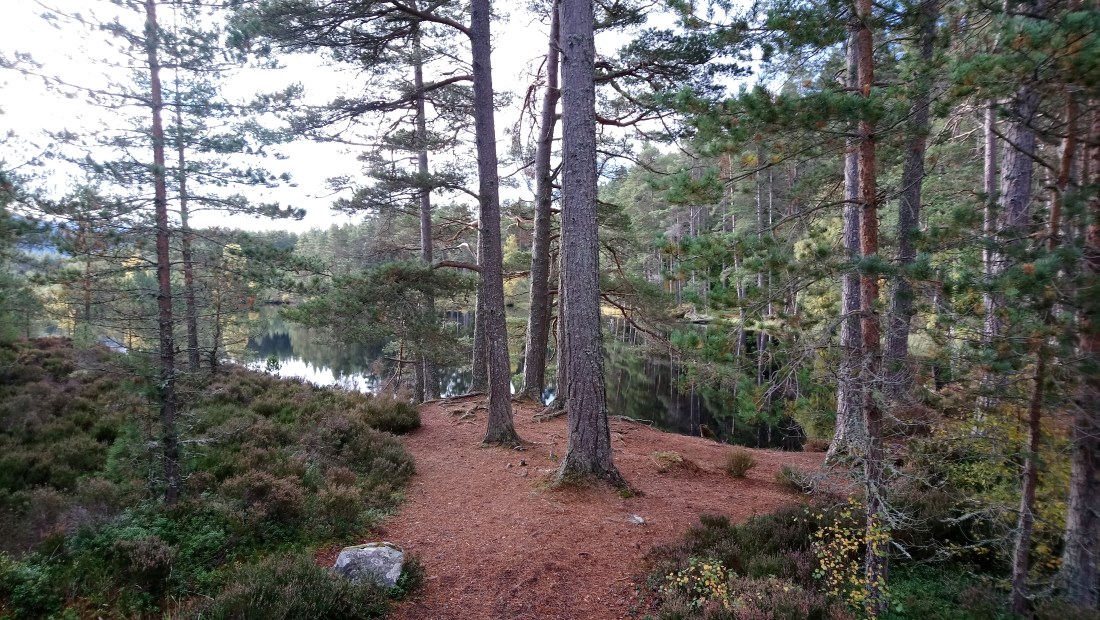
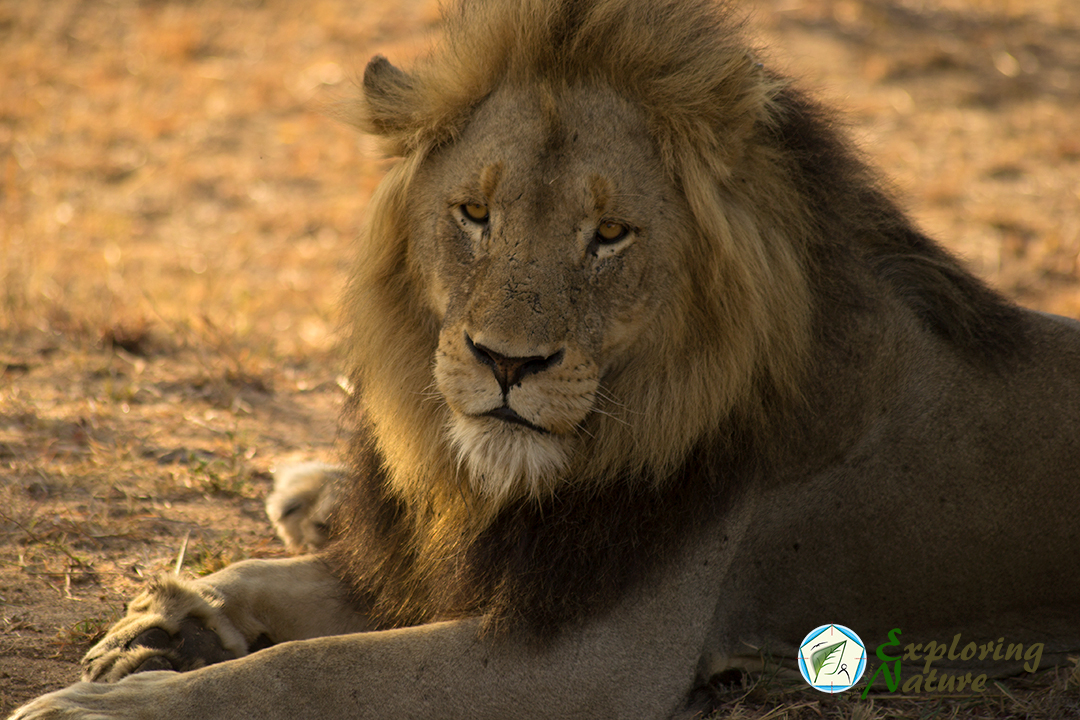
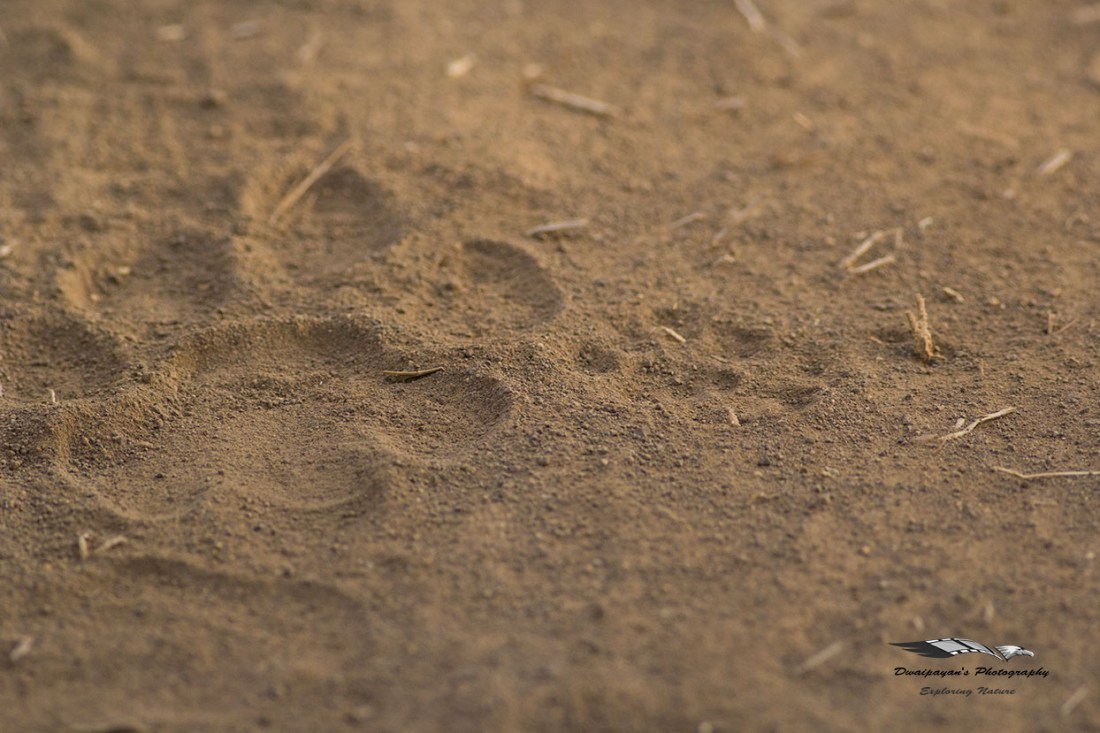
An account of that is given below….

The Indian wild ass (Equus hemionus khur, Endangered (IUCN 3.1)) also called the ghudkhur in the local Gujarati language, is a subspecies of the onager native to Southern Asia. The Indian wild ass, as with most other Asian wild ass subspecies, is quite different from the African wild ass species. The coat is usually sandy, but varies from reddish grey, fawn, to pale chestnut. The animal possesses an erect, dark mane which runs from the back of the head and along the neck. The mane is then followed by a dark brown stripe running along the back, to the root of the tail.

The Indian wild ass’s range once extended from western India, southern Pakistan (i.e. provinces of Sindh and Baluchistan), Afghanistan, and south-eastern Iran. Today, its last refuge lies in the Indian Wild Ass Sanctuary, Little Rann of Kutch and its surrounding areas of the Great Rann of Kutch in the Gujarat province of India. The animal, however, is also seen in the districts of Surendranagar, Banaskantha, Mehsana, and other Kutch districts. Saline deserts (rann), arid grasslands and shrublands are its preferred environments. It seems to be increasing in numbers and extending its range from Little Rann of Kutch, where the world’s last population of this subspecies had got confined to in recent years, and has gradually started moving out and colonizing Greater Rann of Kutch also extending into the neighboring Indian State of Rajasthan in the bordering villages in Jalore district bordering the Rann of Kutch in Gujarat. Gujarat’s supposed monopoly over this sub-species, has thus been broken. Within Rajasthan it has started making its presence felt in Khejariali and its neighbourhood where a 60 km2 area was transferred to the Rajasthan Forest Department by the revenue authorities in 2007. At this place Rebaris (camel and sheep breeders) live in the Prosopis juliflora jungles in the company of chinkaras, hyenas, common fox, desert cat and wolf etc.

Wild asses graze between dawn and dusk. The animal feeds on grass, leaves and fruits of plant, crop, Prosopis pods, and saline vegetation. It is one of the fastest of Indian animals, with speeds clocked at about 70 – 80 km. per hour and can easily outrun a jeep. Stallions live either solitarily, or in small groups of twos and threes while family herds remain large. Mating season is in rainy season. When a mare comes into heat, she separates from the herd with a stallion who battles against rivals for her possession. After few days, the pair returns to the herd. The mare gives birth to one foal. The male foal weans away by 1–2 years of age, while the female continues to stay with the family herd.

On both days of exploration, plenty of single male, female, calf and herds were spotted grazing and moving on the open areas of the desert.


Quest for African Lion

Quest for African LionDSC_0038

My years of biodiversity exploration journey with biodiversity exploration organization Exploring Nature and their monthly e magazine Holocene, gave me opportunity to explore forests and places of biodiversity significance, across the world

This blog is a platform for telling stories from the moments of my journey which I have been experiencing with Exploring Nature for last few years.

After my first biodiversity exploration in the forest of Gir, with Exploring Nature team, I did many more explorations within India. Immediately after Gir we headed towards Little Rann of Kutch to chase Wild Ass. In the winter of same year (2015) we explored forests of Western Ghats extensively and did one of the toughest forest hiking of India – Periyar Tiger Reserves. I have exciting and fascinating stories to tell from these explorations which I would do later.

But, to continue the Lion Tales,  I will give an account of my first solo and out of country exploration in the savannah forest of South Africa — Kruger National Park.

The quest for African Lion started at 4:30 PM of the Valentine ’s Day. Jeep started towards eastern direction from the main gate of Kruger National Park and after 30-45 minutes of journey three lionesses were spotted at the right hand side of the direction of driving. They were busy in eating their morning kill – a huge African Buffalo.

When plenty of food is available lions generally gorge themselves into near immobility. At these times, on average, males swallow around 15% of their body weight.

Food is shared grudgingly. The smallest and weakest lions often lose out altogether and hungry mothers will not even share with their own offspring.

Lions usually start feeding by opening the abdomen and eating the entrails. Most lions will eat the heart, liver and kidneys, but it unusual for lions to open up the skull.

In the evening of 14th February, at Kruger National Park, the Lionesses were spotted from approximately 200 mt distance, and explorer wished if he had a closer look. Although, the flesh from the opened abdomen of the buffalo were quite visible from that distance, but he didn’t know, that he would also witness one of the greatest and most exciting phenomena of nature in next 36 hours.

On 16th February, the morning safari started at 6:00 o’clock. Two safari jeeps started their journey towards north direction. After one hour of journey and as usual spotting of herds of impala, baboons, few giraffes and zebras, both the jeeps had to stop.

Their path was blocked by few of the most majestic creatures of the earth – a full pride of African lion – siting on the road, enjoying the softness and warmth of the first sunlight of the day.

The basic units of lion social organization are resident prides occupying hunting territories of a size that can sustain the pride during times of scarcity. Lion densities, home territory size and social group size vary in parallel with habitat suitability and prey abundance, generally larger in moist grasslands where game is plentiful and smaller in drier bush with fewer prey animals. Prides can attain 40 members, however the average pride, both in Kruger NP and the Serengeti, consists of 13 members. In Kruger, the average composition of 14 prides totalling 181 lions was 1.7 adult males, 4.5 adult females, 3.8 sub-adults, and 2.8 cubs (including yearlings). Females outnumber males by a substantial margin, despite a near 50% male/female birth ratio. This is probably due to the tendency of males to be nomads, take on more dangerous game, and be killed in pride takeover attempts.

The pride, which explorer and his team bumped into, consisted of 9 members – 6 females and 3 males. All the members were busy in hugging and cuddling with each other. The pride leader was clearly enjoying his happy moment with his fellow members and company of her queens. He was found romancing with a big lioness of the pride under the shade of a tree.

In larger prides it is rare for the whole pride to be together, but individuals or small groups, typically of three – five members will scatter throughout the prides territory for days or weeks at a time, especially in arid environments or times of prey scarcity. There is no hierarchy between females, and no particular bonding between any pride members. A pair of females will be found together no more than 25 – 50% of the time.

Presence within a pride’s territory is not a sign of membership as many lions are transient or “squatters”. Membership of a pride can only be distinguished by an amicable greeting ceremony performed between pride members. Any member without the confidence to perform the ceremony will be treated as outsider.

After noticing human presence, the pride leader came out form the shade and urinates at the edge of the road to mark his territory. A strong message was silently conveyed – stay away from this point.

Typically, home territories range from 20km2 in the most suitable habitats to more than 500km2. The average area of nine Serengeti prides was c. 200km2. Pride ranges and territories may overlap but each pride maintains a core area where most activities are undertaken with little interaction with other lion groups. Territories are stable except in periods of hardship. If an area becomes devoid of lions (as a result of disease for example) this will be followed by an influx of competing lions to claim the territory. Lions will defend their territory against lions of the same gender, but most encounters do not result in fighting; usually one pride will skulk off under the watchful gaze of the other.

In the morning of 16th February, at Kruger National Park, we were alerted by Mike – their safari guide- as all of a sudden the biggest lioness of the pride stood up and started moving slowly towards further north. Whole pride started following her in same slow and silent pace. She stopped, the whole pride stopped. She moved tip of her tail – from left to right and then from right to left. The pride members dispersed in different directions.

Mike whispered, “She is in a mission”. Everybody was excited to know that they were going to witness “hunting by lion” – the most well strategized predatory behavior of animal kingdom.

Whole forest became silent with anticipation of action. Presence of a huge African buffalo bull was noticed deep inside the bushes – he was grazing – his huge horns were visible.

The buffalo raised its head; he had realized that he was getting surrounded. He decided to come out from the bushes and at the same time with a signal from the lioness – the leader of hunting party – the pride leader charged at the buffalo. The buffalo charged back violently and the pride leader had to retreat. The buffalo escaped.

But the hunting movement was not over. She – the hunt leader – continued her movement. The whole exploring team was surprised to see, that one more male and female lion joined the hunting party from the other side of the forest and were waiting for instruction from the hunt leader lioness. The whole party started moving again slowly. Two safari jeeps followed them.

The next half an hour was great display of strategy, leadership and obedience. None of the members of hunting party moved without further signal from their leader.

Another African buffalo bull was spotted from distance on an open ground. Everybody understood the objective of the mission. With every movement of tail and neck of the lioness, the other members of hunting party kept changing their direction and movement. The idea was getting closer and closer to target and surround it from all sides to block its all possible escape routes.

The pride leader took the charge of being at front and started moving towards the buffalo.

There was a herd of impala, which noticed this movement of big hunting party and starting running towards deep forest and gave away the presence of lions.

The Buffalo had noticed what was going on and starting getting further away from the hunting party. Lioness realized, that was not the time to attack. More time needed to be invested on their prey. Two lionesses and one sub male lion who were moving together, sat on ground and kept close watch on their pray. They kept waiting their patiently while the male lions started roaming casually at least 200 meters away from the buffalo, without showing any indication of attack. The strategy was to give buffalo a false sense of security and get him in oblivion about the situation. The strategy was to wait for the right moment and strike so hard that there would be no opportunity to counter attack.

With relatively small hearts and lungs lions are not fast runners; a maximum speed of 60kph, nor do they have the stamina to keep this pace for more than a 100 – 200m. As such, lions rely on stalking their prey and seldom charge until they are within 30m, unless the prey is facing away and cannot see the charge.

Lions stalk their prey, although ambush behavior has been observed. This happens mainly during daylight when stalking prey is more difficult.

Females do the majority of the hunting, and males who tag along with the hunt usually stays back until a kill is made. Lions hunting in pairs and groups have a success rate of c. 30%. Lions hunting singly by daylight have a success rate of 17 – 19%, but are the equal of groups at night reopening the debate as to why lions became the only sociable cat; maybe it is to control exclusive hunting grounds.

Most successful hunts are on dark nights in dense cover against a single prey animal. One reason for lions’ relatively low hunting success rate is that lions do not take into account wind direction when hunting; they often approach prey from an upwind direction thereby alerting the prey and ending the hunt. Secondly, the lion’s charge is generally launched directly at its quarry and it rarely alters the path of attack, as do other cats. Generally speaking, if a lion misses its target on the first run it usually abandons the chase.

Hunts of impala and medium-sized prey are significantly more likely to be successful when the lions do not stalk their prey but rather chase them immediately upon detection. The opposite is true for small-sized prey species. However, lions are more likely to stalk impala and medium-sized species, whereas they are less likely to stalk small-sized prey. Females are significantly more likely to stalk anything.

Cooperative hunting brings a greater probability of success in lion hunts, but a question exists on whether pre-planned cooperation is taking place or that lions are making use of opportunities brought about by the presence of other lions.

Studies of the tactics of group hunting by lions give a similar basic plan of the hunting process. When the group spots the prey a hunt is often initiated by a single lion looking at it, to which the other lions respond by looking in the same direction – the only clear form of “communication” evidenced in the hunting process. The group fans out, with certain lions stalking at a greater distance to encircle the prey. The encircling lions launch the attack, seemingly to drive the prey towards the others who ambush from their cover position.

It is suggested that lions often, but not exclusively, followed the same hunting patterns and divided lions into stalking roles; left, centre & right wing positions. Lions hunting in their preferred roles increased the success of the group by 9%. Once within range of smaller prey, lions use their paw to slap the rear of the animal at its legs or haunch to knock it off balance or drag it down. A bite to the neck or throat quickly kills the animal.

With larger prey lions approach the animal at an angle, jumping on top and using their own weight to wrestle the animal to the ground, biting at the vertebrae in an attempt to sever the spinal cord as they do so.

Once downed they bite the throat or over the nose and mouth of the prey to suffocate it, a position that keeps them out of the way of horns that could injure the lion.

I don’t know what happened in the hunting movement of 11 lions and lionesses led by their queen in the morning of 16th February, 2016 at the North West part of Kruger National Park.

But I now know —— “Strategic, gregarious, territorial, matriarchal society, communal care, male coalitions” —- Lions are the only truly social cat.


Quest for Asiatic Lion…..

_MG_5922 (2)Quest for Asiatic Lion

My years of biodiversity exploration journey with biodiversity exploration organization Exploring Nature and their monthly e magazine Holocene, gave me opportunity to explore forests and places of biodiversity significance.

This blog is a platform for telling stories from the moments of my journey which I have been experiencing with Exploring Nature for last few years.

The above story, was the first one from my first exploration with Exploring Nature in 2015, with my childhood friend Dwaipayan (who is also founder member of Exploring Nature and my first teacher of wildlife photography)…